
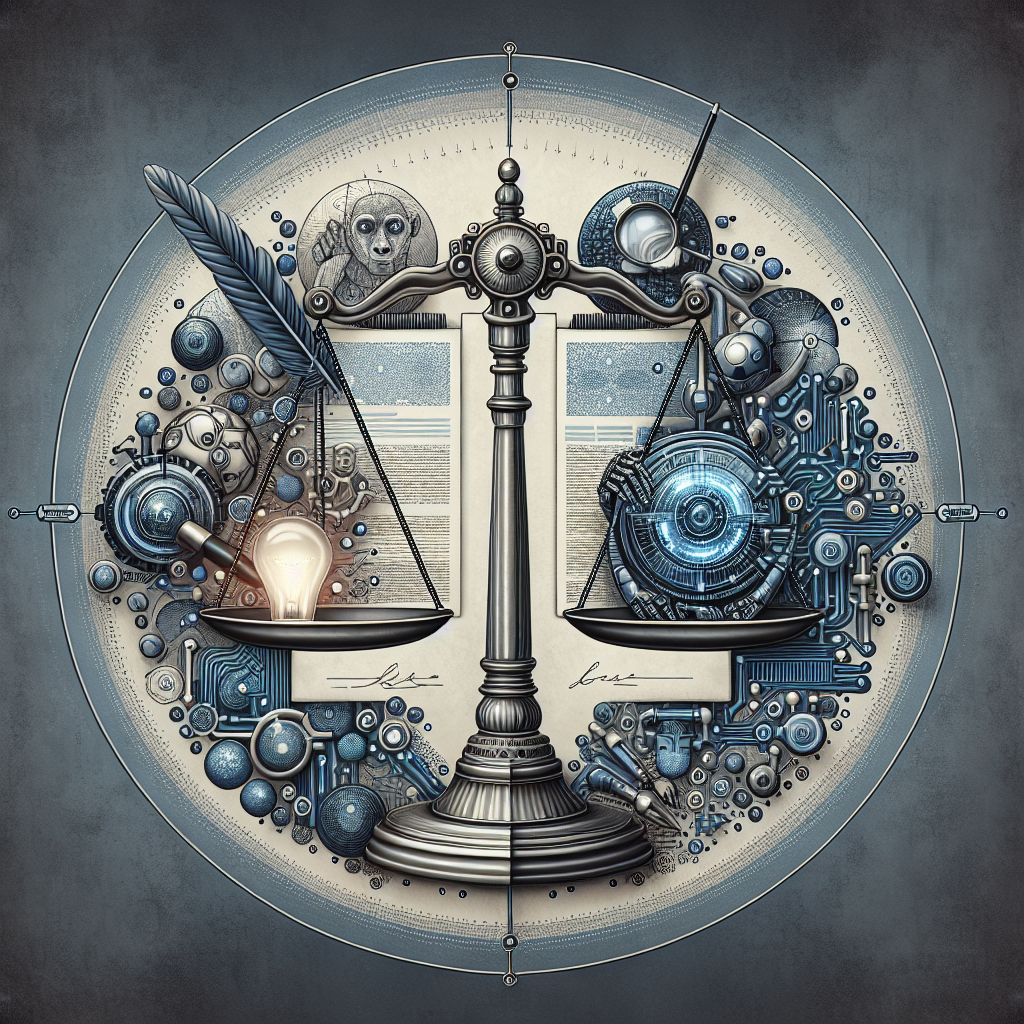
The Role of AI in Patent Law and Innovation
Artificial Intelligence (AI) has been rapidly transforming various industries and sectors, and patent law is no exception. With the increasing complexity and volume of patent applications, AI has emerged as a valuable tool for patent examiners, attorneys, and inventors to streamline the patent process and drive innovation. In this article, we will explore the role of AI in patent law and its impact on innovation.
1. AI in Patent Search and Examination
One of the key areas where AI is making a significant impact in patent law is in patent search and examination. Traditionally, patent examiners had to manually search through vast databases of prior art to determine the novelty and non-obviousness of a patent application. This process was time-consuming and often led to inconsistencies in patent examination.
AI-powered tools, such as machine learning algorithms and natural language processing, have revolutionized the patent search process by enabling faster and more accurate search results. These tools can analyze large volumes of patent documents and scientific literature to identify relevant prior art, helping examiners make more informed decisions on patentability.
In addition, AI can also assist patent examiners in evaluating the patentability of inventions by predicting the likelihood of a patent application being granted based on historical data and trends. This helps streamline the patent examination process and reduce the backlog of patent applications.
2. AI in Patent Drafting and Prosecution
AI is also playing a crucial role in patent drafting and prosecution. Patent attorneys can use AI-powered tools to draft patent applications more efficiently by generating patent claims, analyzing prior art, and identifying potential patent infringements. This not only saves time but also helps improve the quality of patent applications.
Moreover, AI can help patent attorneys monitor the status of patent applications, track deadlines, and manage patent portfolios more effectively. By automating routine tasks, such as docketing and document management, AI enables patent attorneys to focus on strategic aspects of patent prosecution and provide better counsel to clients.
3. AI in Patent Litigation
AI is increasingly being used in patent litigation to analyze and compare large volumes of patent documents, technical data, and prior art. AI-powered tools can identify similarities and differences between patents, assess the strength of patent claims, and predict the outcome of patent disputes. This helps patent attorneys build stronger cases and make more informed decisions during patent litigation.
Furthermore, AI can assist in patent valuation by analyzing market trends, licensing agreements, and patent portfolios to determine the value of a patent. This information is crucial for patent owners, investors, and licensing firms to make informed decisions on patent monetization and commercialization.
4. AI and Innovation
AI is not only transforming the practice of patent law but also driving innovation in various industries. By providing inventors and companies with faster and more accurate patent search results, AI encourages the development of new technologies and products. Inventors can leverage AI-powered tools to identify gaps in the market, assess the patent landscape, and make informed decisions on patenting their inventions.
Moreover, AI can help companies identify opportunities for collaboration, licensing, and technology transfer by analyzing patent portfolios and identifying potential partners. This can lead to the creation of new products, services, and business models that drive economic growth and competitiveness.
FAQs
1. How is AI used in patent search and examination?
AI-powered tools, such as machine learning algorithms and natural language processing, are used to analyze large volumes of patent documents and scientific literature to identify relevant prior art and assess the patentability of inventions. This helps patent examiners make more informed decisions on patent applications.
2. How does AI impact patent drafting and prosecution?
AI can help patent attorneys draft patent applications more efficiently by generating patent claims, analyzing prior art, and identifying potential patent infringements. AI-powered tools also assist patent attorneys in monitoring the status of patent applications, tracking deadlines, and managing patent portfolios more effectively.
3. How is AI used in patent litigation?
AI is increasingly being used in patent litigation to analyze and compare large volumes of patent documents, technical data, and prior art. AI-powered tools can identify similarities and differences between patents, assess the strength of patent claims, and predict the outcome of patent disputes.
4. How does AI drive innovation in patent law?
By providing inventors and companies with faster and more accurate patent search results, AI encourages the development of new technologies and products. AI also helps companies identify opportunities for collaboration, licensing, and technology transfer, leading to the creation of new products, services, and business models that drive innovation.
In conclusion, AI is playing a crucial role in patent law by streamlining the patent process, improving the quality of patent applications, and driving innovation in various industries. As AI continues to evolve, its impact on patent law and innovation is expected to grow, shaping the future of intellectual property rights and technology development.