
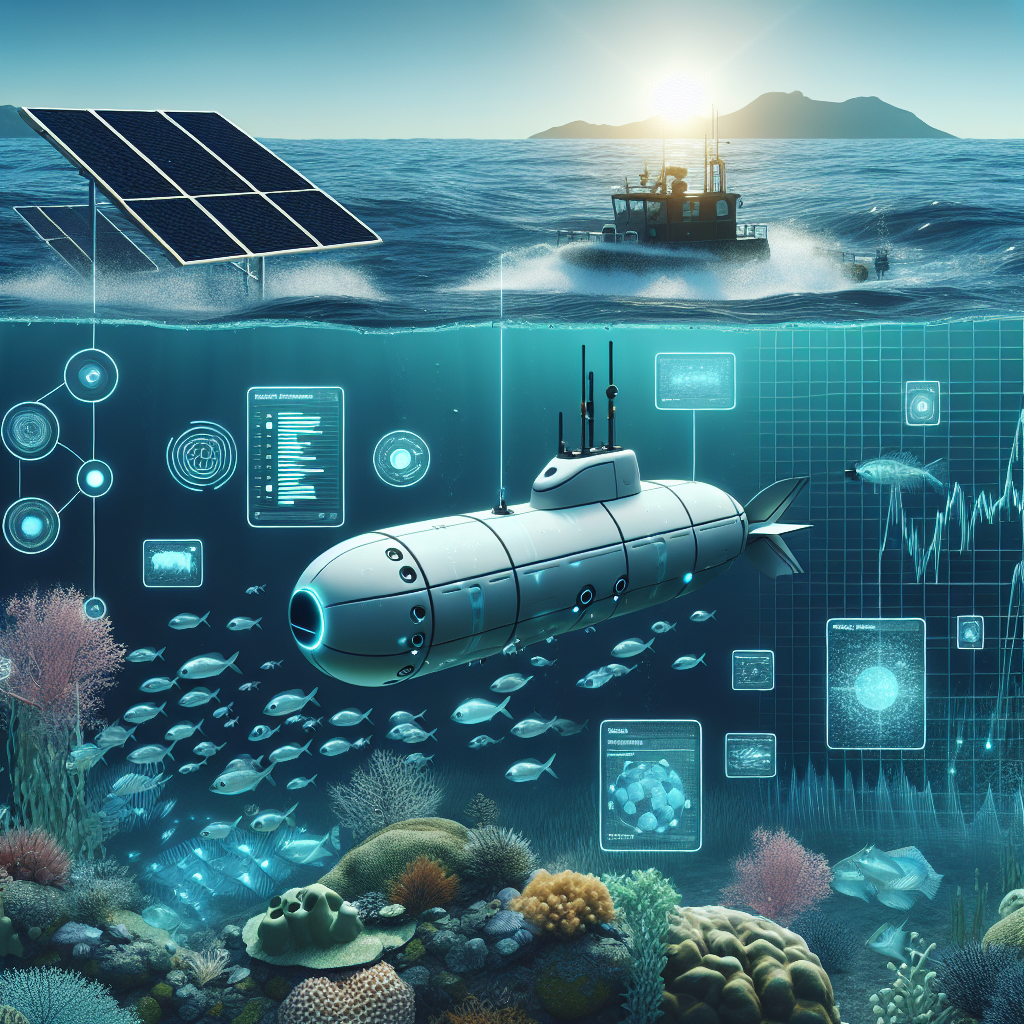
The Role of AI in Promoting Sustainable Fisheries and Marine Conservation
Introduction
The world’s oceans are facing significant challenges due to overfishing, pollution, and climate change. These threats not only endanger marine life but also put the livelihoods of millions of people who depend on fisheries at risk. In order to address these challenges and promote sustainable fisheries and marine conservation, innovative solutions are needed. Artificial intelligence (AI) has emerged as a powerful tool that can help monitor and manage marine resources more effectively.
AI in Fisheries Management
One of the key applications of AI in promoting sustainable fisheries is in fisheries management. AI can help fisheries managers make better decisions by analyzing vast amounts of data on fish populations, fishing activities, and environmental conditions. For example, AI can be used to predict fish population trends, identify areas with high fishing pressure, and assess the impact of fishing on marine ecosystems. By providing fisheries managers with accurate and timely information, AI can help them develop more effective management strategies that ensure the long-term sustainability of fish stocks.
AI can also be used to improve the efficiency of fishing operations. For example, AI-powered tools can help fishermen optimize their fishing routes, reduce bycatch, and avoid areas with vulnerable species. By minimizing the environmental impact of fishing activities, AI can help reduce overfishing and protect marine biodiversity.
AI in Marine Conservation
In addition to fisheries management, AI can also play a crucial role in marine conservation efforts. AI-powered tools can help monitor and protect marine protected areas, identify illegal fishing activities, and track endangered species. For example, AI can analyze satellite images to detect illegal fishing vessels in protected areas, monitor the movement of endangered species, and predict the impact of climate change on marine ecosystems.
AI can also help scientists better understand the complex interactions between marine species and their environment. By analyzing large datasets on marine biodiversity, ocean currents, and water quality, AI can help researchers identify patterns and relationships that would be difficult to detect using traditional methods. This knowledge can help inform conservation policies and management strategies that are more effective in protecting marine ecosystems.
FAQs
Q: How does AI help promote sustainable fisheries?
A: AI helps promote sustainable fisheries by providing fisheries managers with accurate and timely information on fish populations, fishing activities, and environmental conditions. This information can help them develop more effective management strategies that ensure the long-term sustainability of fish stocks.
Q: How does AI improve the efficiency of fishing operations?
A: AI can help fishermen optimize their fishing routes, reduce bycatch, and avoid areas with vulnerable species. By minimizing the environmental impact of fishing activities, AI can help reduce overfishing and protect marine biodiversity.
Q: How does AI help monitor marine protected areas?
A: AI-powered tools can analyze satellite images to detect illegal fishing vessels in protected areas, monitor the movement of endangered species, and predict the impact of climate change on marine ecosystems.
Q: How does AI help scientists understand marine ecosystems?
A: AI can analyze large datasets on marine biodiversity, ocean currents, and water quality to identify patterns and relationships that would be difficult to detect using traditional methods. This knowledge can help inform conservation policies and management strategies.
Conclusion
AI has the potential to revolutionize the way we monitor and manage marine resources, promote sustainable fisheries, and protect marine ecosystems. By providing fisheries managers with accurate and timely information, AI can help them develop more effective management strategies that ensure the long-term sustainability of fish stocks. AI-powered tools can also help fishermen optimize their fishing operations, reduce bycatch, and protect vulnerable species. In addition, AI can help monitor marine protected areas, track endangered species, and improve our understanding of marine ecosystems. As we face increasing pressures on our oceans, AI offers a powerful tool that can help us address these challenges and promote sustainable fisheries and marine conservation.