
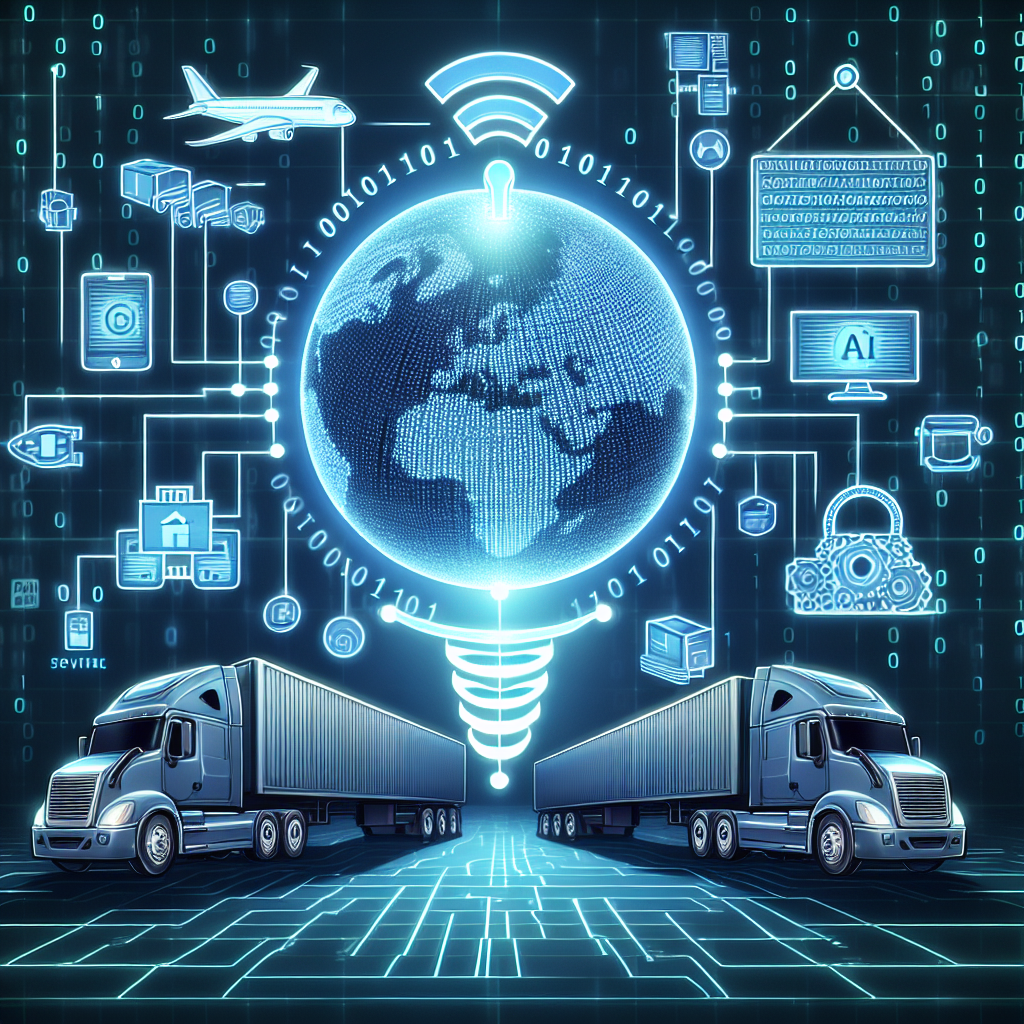
The Role of AI in Freight Forwarding
Artificial Intelligence (AI) has been revolutionizing various industries, including freight forwarding. The use of AI in freight forwarding has improved efficiency, reduced costs, and enhanced decision-making processes. In this article, we will explore the role of AI in freight forwarding and how it is transforming the industry.
What is freight forwarding?
Freight forwarding is the process of coordinating and managing the shipment of goods from one place to another. It involves various tasks such as booking cargo space, arranging transportation, handling documentation, and managing customs clearance. Freight forwarders play a crucial role in ensuring the smooth movement of goods across borders.
The traditional freight forwarding process is complex and time-consuming, requiring manual intervention at various stages. With the advent of AI, freight forwarding companies are now able to automate many of these tasks, leading to increased efficiency and cost savings.
How is AI used in freight forwarding?
AI is being used in freight forwarding in a variety of ways, including:
1. Predictive analytics: AI algorithms can analyze historical data to predict future trends and demand patterns. This helps freight forwarders optimize their routes, reduce transit times, and improve inventory management.
2. Automated document processing: AI-powered software can automatically process and analyze shipping documents, invoices, and customs paperwork. This reduces the risk of errors and speeds up the clearance process.
3. Route optimization: AI algorithms can optimize transportation routes based on factors such as distance, cost, and traffic conditions. This helps freight forwarders reduce fuel consumption, minimize delays, and improve delivery times.
4. Inventory management: AI systems can monitor inventory levels in real-time, predict demand, and automatically reorder stock when necessary. This helps freight forwarders avoid stockouts and reduce storage costs.
5. Chatbots: AI-powered chatbots can provide real-time support to customers, answer queries, and track shipments. This improves customer service and enhances the overall customer experience.
6. Demand forecasting: AI algorithms can analyze market trends, customer behavior, and other data to forecast demand for specific products. This helps freight forwarders plan their shipments more effectively and avoid overstocking or understocking.
What are the benefits of using AI in freight forwarding?
The use of AI in freight forwarding offers several benefits to both freight forwarders and their customers, including:
1. Increased efficiency: AI automates repetitive tasks, streamlines processes, and reduces manual intervention. This improves efficiency, reduces errors, and speeds up the shipment process.
2. Cost savings: AI helps freight forwarders optimize routes, reduce fuel consumption, and minimize storage costs. This leads to cost savings for both freight forwarders and their customers.
3. Enhanced decision-making: AI algorithms analyze vast amounts of data to provide insights and recommendations to freight forwarders. This helps them make informed decisions, improve planning, and adapt to changing market conditions.
4. Improved customer service: AI-powered chatbots provide real-time support to customers, answer queries, and track shipments. This enhances the overall customer experience and builds customer loyalty.
5. Better risk management: AI algorithms can identify potential risks, such as delays, disruptions, or security threats, and take proactive measures to mitigate them. This helps freight forwarders ensure the safety and security of their shipments.
FAQs
Q: How does AI improve route optimization in freight forwarding?
A: AI algorithms analyze factors such as distance, cost, traffic conditions, and weather patterns to optimize transportation routes. This helps freight forwarders reduce fuel consumption, minimize delays, and improve delivery times.
Q: How does AI help with inventory management in freight forwarding?
A: AI systems monitor inventory levels in real-time, predict demand, and automatically reorder stock when necessary. This helps freight forwarders avoid stockouts, reduce storage costs, and improve inventory management.
Q: How can AI-powered chatbots enhance customer service in freight forwarding?
A: AI-powered chatbots provide real-time support to customers, answer queries, and track shipments. This improves customer service, reduces response times, and enhances the overall customer experience.
Q: What are the key benefits of using AI in freight forwarding?
A: The key benefits of using AI in freight forwarding include increased efficiency, cost savings, enhanced decision-making, improved customer service, and better risk management.
In conclusion, AI is playing a significant role in transforming the freight forwarding industry. By automating tasks, optimizing routes, improving inventory management, enhancing customer service, and mitigating risks, AI is helping freight forwarders operate more efficiently, reduce costs, and deliver a better service to their customers. As AI continues to evolve and advance, its impact on the freight forwarding industry is expected to grow even further in the coming years.