
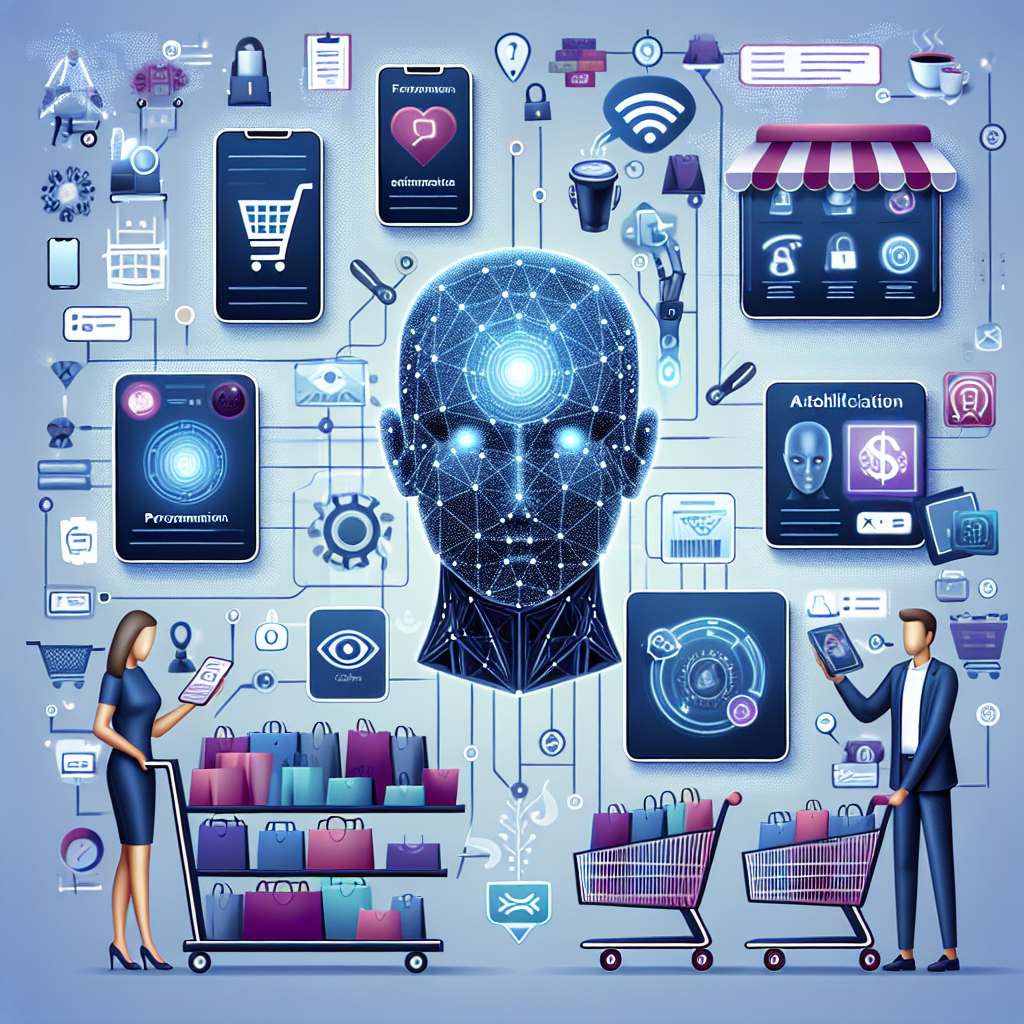
AI Deployment in Retail: Improving Customer Engagement
In today’s fast-paced retail environment, customer engagement is more important than ever. With the rise of online shopping and competition from e-commerce giants like Amazon, brick-and-mortar retailers are constantly looking for ways to attract and retain customers. One of the most effective strategies for improving customer engagement in retail is the deployment of artificial intelligence (AI) technologies.
AI has the potential to revolutionize the retail industry by providing retailers with valuable insights into customer behavior, preferences, and trends. By analyzing data from various sources, AI can help retailers personalize the shopping experience for each customer, increase sales, and improve overall customer satisfaction. In this article, we will explore how AI deployment in retail can improve customer engagement and provide some examples of successful AI implementations in the industry.
Personalized Shopping Experiences
One of the key benefits of AI deployment in retail is the ability to provide personalized shopping experiences for customers. AI algorithms can analyze customer data, such as purchase history, browsing behavior, and demographic information, to create personalized product recommendations and promotions. By tailoring the shopping experience to each customer’s preferences, retailers can increase sales and build customer loyalty.
For example, online clothing retailer Stitch Fix uses AI algorithms to analyze customer preferences and recommend personalized clothing items. By collecting data on customer preferences, sizes, and style preferences, Stitch Fix is able to create personalized “fixes” for each customer, increasing the likelihood of a purchase. This personalized shopping experience has helped Stitch Fix become one of the fastest-growing e-commerce companies in the industry.
Improved Customer Service
AI deployment in retail can also improve customer service by providing customers with instant access to information and support. Chatbots powered by AI technology can answer customer inquiries, provide product recommendations, and assist with the checkout process. By automating routine customer service tasks, retailers can free up their human staff to focus on more complex customer interactions.
For example, beauty retailer Sephora uses AI-powered chatbots to provide personalized beauty advice to customers. By analyzing customer data and preferences, Sephora’s chatbots can recommend products, provide makeup tutorials, and answer beauty-related questions. This personalized customer service experience has helped Sephora increase customer engagement and drive sales.
Inventory Management
AI deployment in retail can also improve inventory management by predicting demand, optimizing stock levels, and reducing out-of-stock situations. By analyzing historical sales data, market trends, and external factors such as weather patterns, AI algorithms can help retailers forecast demand more accurately and make informed decisions about inventory replenishment.
For example, Walmart uses AI technology to optimize its inventory management and reduce out-of-stock situations. By analyzing data from its supply chain, sales transactions, and external factors, Walmart can predict demand for products and adjust stock levels accordingly. This proactive approach to inventory management has helped Walmart increase sales and improve customer satisfaction.
Fraud Detection
AI deployment in retail can also help retailers detect and prevent fraud by analyzing customer behavior and identifying suspicious transactions. By analyzing data from various sources, such as payment transactions, customer interactions, and social media activity, AI algorithms can detect patterns of fraudulent behavior and alert retailers to potential risks.
For example, online payment platform PayPal uses AI technology to detect and prevent fraud in real-time. By analyzing data from millions of transactions, PayPal’s AI algorithms can identify unusual patterns or behaviors that may indicate fraudulent activity. This proactive approach to fraud detection has helped PayPal protect its customers and reduce financial losses.
FAQs
Q: How can AI deployment in retail improve customer engagement?
A: AI deployment in retail can improve customer engagement by providing personalized shopping experiences, improving customer service, optimizing inventory management, and detecting fraud.
Q: What are some examples of successful AI implementations in the retail industry?
A: Some examples of successful AI implementations in the retail industry include Stitch Fix’s personalized clothing recommendations, Sephora’s AI-powered chatbots for customer service, Walmart’s inventory management system, and PayPal’s fraud detection technology.
Q: How can retailers get started with AI deployment in retail?
A: Retailers can get started with AI deployment in retail by identifying their business goals, collecting and analyzing customer data, selecting the right AI technology, and partnering with experienced AI vendors or consultants.
Q: What are some challenges retailers may face when deploying AI in retail?
A: Some challenges retailers may face when deploying AI in retail include data privacy concerns, integration with existing systems, staff training, and the cost of implementing AI technology.
In conclusion, AI deployment in retail has the potential to revolutionize the industry by improving customer engagement, increasing sales, and enhancing the overall shopping experience. By leveraging AI technology to personalize shopping experiences, improve customer service, optimize inventory management, and detect fraud, retailers can stay ahead of the competition and meet the evolving needs of today’s consumers. With the right strategy and implementation, AI deployment in retail can help retailers thrive in the digital age.