
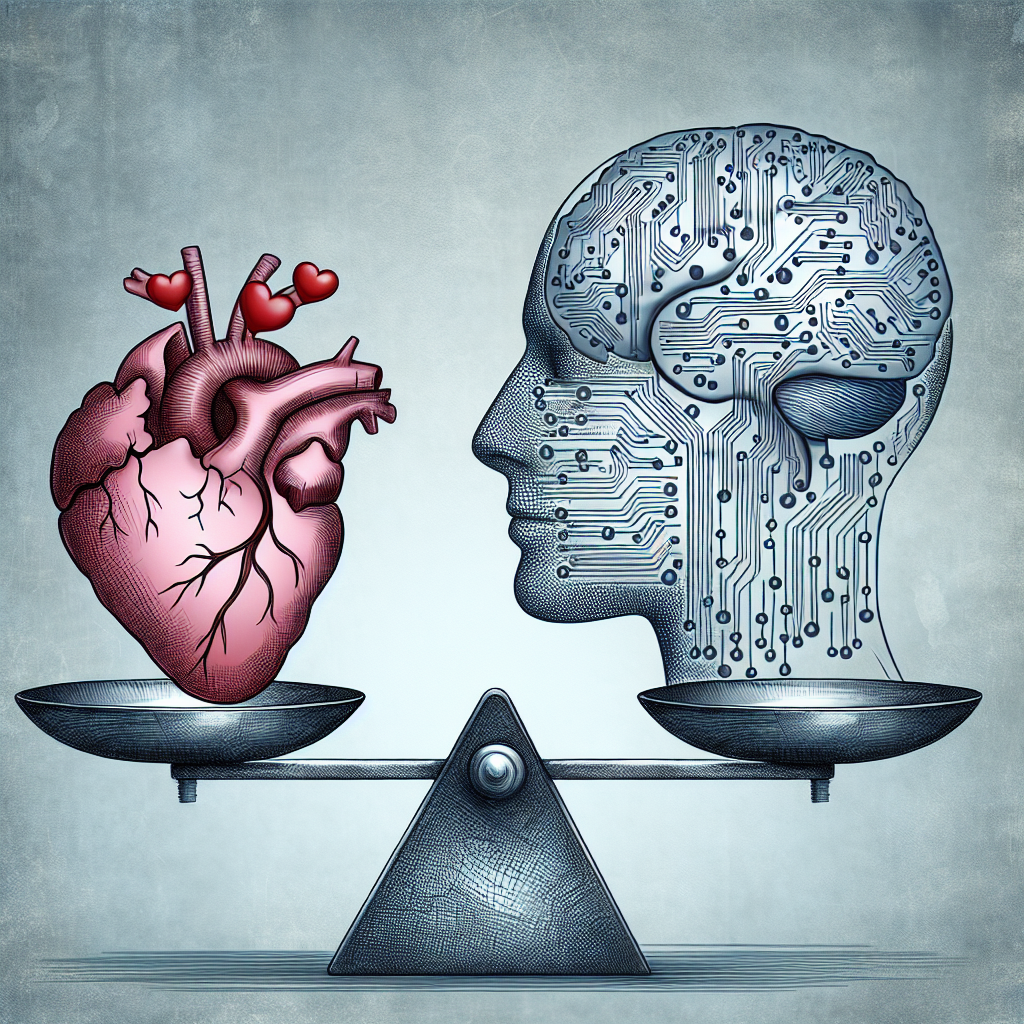
Artificial Intelligence (AI) has made significant advancements in various fields, including mental health. AI technologies are being used to improve patient outcomes, provide personalized treatment plans, and offer timely interventions. However, the use of AI in mental health also comes with risks that need to be carefully considered.
One of the primary risks of using AI in mental health is the potential for biases in algorithms. AI systems are trained on large datasets that may contain biased or incomplete information. This can lead to inaccurate assessments and recommendations, which could harm patients rather than help them. For example, if an AI system is trained on data that disproportionately represents a certain demographic group, it may not be able to provide appropriate care for individuals from other groups.
Another risk is the lack of transparency in AI algorithms. Many AI systems operate as “black boxes,” meaning that their decision-making processes are not easily understandable or explainable. This lack of transparency can make it difficult for healthcare providers to trust the recommendations of AI systems, leading to potential errors in diagnosis and treatment.
Furthermore, the use of AI in mental health raises concerns about data privacy and security. AI systems collect and analyze large amounts of sensitive patient data, including information about their mental health history, symptoms, and treatment preferences. If this data is not properly protected, it could be vulnerable to breaches and misuse, putting patients at risk of harm.
In addition, there are ethical considerations to be taken into account when using AI in mental health. For example, AI systems may not always prioritize patient well-being over cost-effectiveness or efficiency. This could result in patients receiving suboptimal care or being denied treatment options that are in their best interests.
Despite these risks, AI also offers many potential benefits in mental health care. For example, AI technologies can help identify patterns and trends in patient data that may not be apparent to human clinicians. This can lead to more accurate diagnoses, personalized treatment plans, and improved patient outcomes.
AI can also help address the shortage of mental health professionals by providing support to clinicians in tasks such as screening, assessment, and monitoring. This can help reduce the burden on healthcare providers and improve access to care for patients.
In order to mitigate the risks of using AI in mental health, it is important for healthcare providers to carefully evaluate the accuracy and reliability of AI systems before implementing them in clinical practice. This includes ensuring that AI algorithms are transparent, unbiased, and compliant with data privacy regulations.
Healthcare providers should also prioritize patient consent and data security when using AI technologies. Patients should be informed about how their data will be used and have the option to opt out of AI-driven interventions if they prefer. Additionally, healthcare providers should implement robust security measures to protect patient data from unauthorized access or misuse.
Overall, the use of AI in mental health has the potential to revolutionize the way we diagnose and treat mental illnesses. However, it is crucial to approach this technology with caution and prioritize patient safety and well-being above all else.
FAQs:
Q: Can AI accurately diagnose mental health conditions?
A: AI systems can help identify patterns in patient data that may suggest a particular mental health condition. However, the accuracy of AI diagnoses depends on the quality of the data used to train the algorithms and the complexity of the condition being diagnosed.
Q: How can healthcare providers ensure that AI algorithms are unbiased?
A: Healthcare providers can mitigate bias in AI algorithms by carefully evaluating the training data, testing the algorithms for fairness and transparency, and regularly monitoring their performance in clinical settings.
Q: What are some potential benefits of using AI in mental health?
A: AI technologies can help improve patient outcomes, provide personalized treatment plans, and support healthcare providers in tasks such as screening, assessment, and monitoring. AI can also help address the shortage of mental health professionals and improve access to care for patients.
Q: How can patients protect their data privacy when using AI in mental health?
A: Patients should be informed about how their data will be used, have the option to opt out of AI-driven interventions, and ensure that healthcare providers have implemented robust security measures to protect their data from breaches and misuse.