
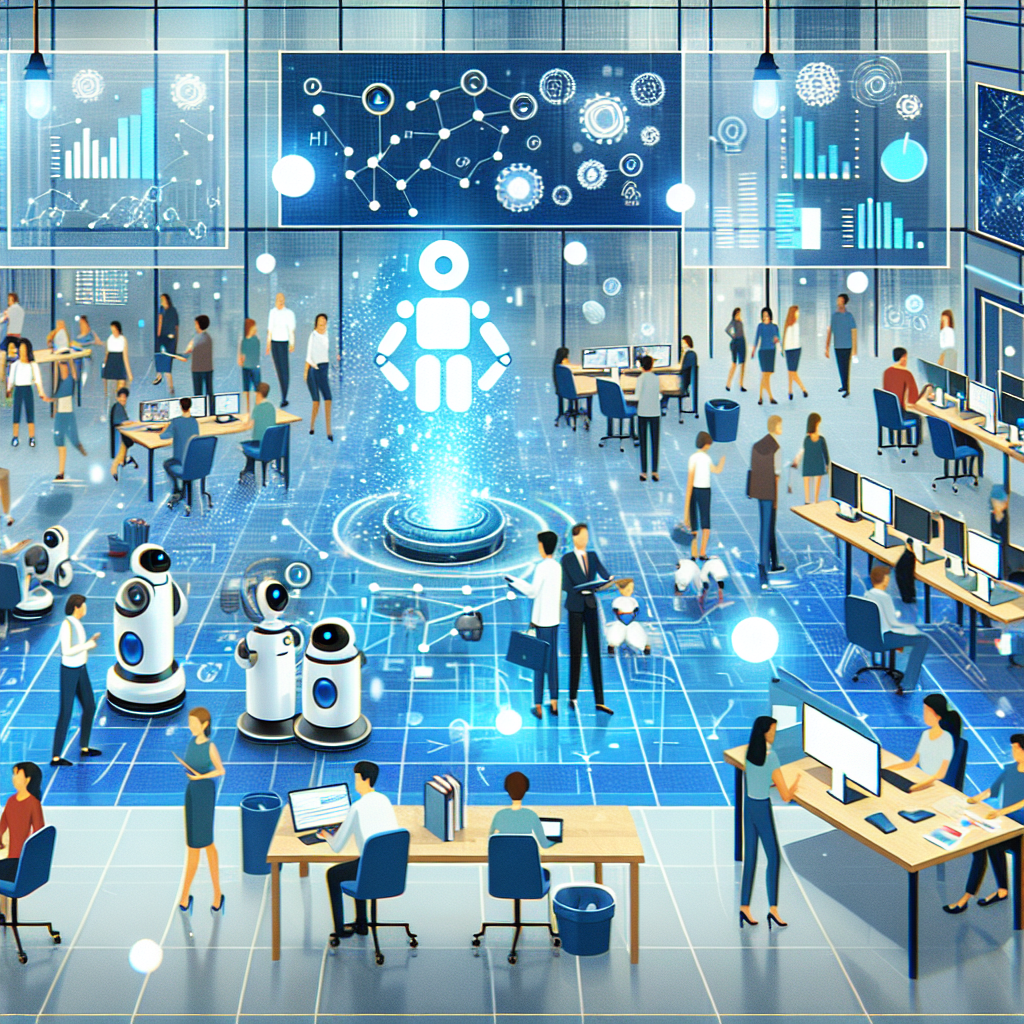
In today’s fast-paced business environment, maximizing workplace productivity is crucial for staying ahead of the competition. With the rapid advancements in artificial intelligence (AI) technology, businesses are now able to leverage AI solutions to enhance workplace productivity in ways that were previously unimaginable. From automated data analysis to personalized task management, AI is revolutionizing the way we work.
One of the key ways that AI is enhancing workplace productivity is through automation. AI-powered systems can streamline routine tasks such as data entry, scheduling, and customer service, freeing up employees to focus on more strategic and creative work. For example, AI chatbots can handle customer inquiries and support tickets, reducing response times and improving customer satisfaction. This allows employees to spend more time on high-value activities that require human creativity and problem-solving skills.
AI is also revolutionizing data analysis in the workplace. AI algorithms can analyze large volumes of data in real-time, providing valuable insights that can help businesses make better decisions. For example, AI-powered analytics tools can identify trends and patterns in customer behavior, allowing businesses to tailor their marketing strategies to target specific customer segments. This data-driven approach can lead to more effective campaigns, higher conversion rates, and increased revenue.
Another way that AI is enhancing workplace productivity is through personalization. AI-powered tools can analyze individual work habits and preferences to create personalized task lists and schedules. For example, an AI-powered task management system can prioritize tasks based on deadlines, importance, and employee bandwidth, ensuring that each employee is working on the most critical tasks at any given time. This personalized approach can help employees stay focused and motivated, leading to higher productivity and job satisfaction.
AI solutions can also improve collaboration and communication in the workplace. AI-powered chatbots and virtual assistants can facilitate communication between team members, helping to streamline workflows and ensure that everyone is on the same page. Additionally, AI-powered collaboration tools can track project progress, assign tasks, and provide real-time updates, making it easier for teams to work together efficiently and effectively.
In addition to enhancing productivity, AI solutions can also improve employee well-being and job satisfaction. By automating routine tasks and providing personalized support, AI can reduce employee stress and burnout, leading to higher job satisfaction and retention rates. AI-powered tools can also help employees develop new skills and improve their performance through personalized training and feedback, creating a positive and supportive work environment.
Despite the many benefits of AI solutions for enhancing workplace productivity, some employees may have concerns about job security and privacy. It is important for businesses to address these concerns proactively by communicating openly with employees about the benefits of AI and how it will impact their roles. Businesses should also prioritize data security and privacy by implementing robust security measures and ensuring compliance with data protection regulations.
Overall, AI solutions have the potential to revolutionize the way we work by enhancing productivity, improving collaboration, and boosting employee well-being. By embracing AI technology and investing in the right tools and training, businesses can unlock the full potential of AI to drive growth and innovation in the workplace.
FAQs:
Q: Will AI solutions replace human workers?
A: While AI solutions can automate routine tasks, they are not meant to replace human workers. Instead, AI is meant to augment human capabilities and free up employees to focus on more strategic and creative work.
Q: How can businesses implement AI solutions in the workplace?
A: Businesses can implement AI solutions by assessing their specific needs and objectives, researching available AI tools and providers, and investing in training and support for employees to ensure successful adoption.
Q: What are some common misconceptions about AI in the workplace?
A: Some common misconceptions about AI in the workplace include the belief that AI will replace human workers, that AI is only for large corporations, and that AI is too expensive to implement. In reality, AI can benefit businesses of all sizes and industries, and there are many affordable AI solutions available on the market.
Q: How can businesses ensure data security and privacy when implementing AI solutions?
A: Businesses can ensure data security and privacy by implementing robust security measures, such as encryption and access controls, and by ensuring compliance with data protection regulations, such as GDPR and HIPAA. Businesses should also prioritize transparency and communication with employees about data privacy policies and practices.