
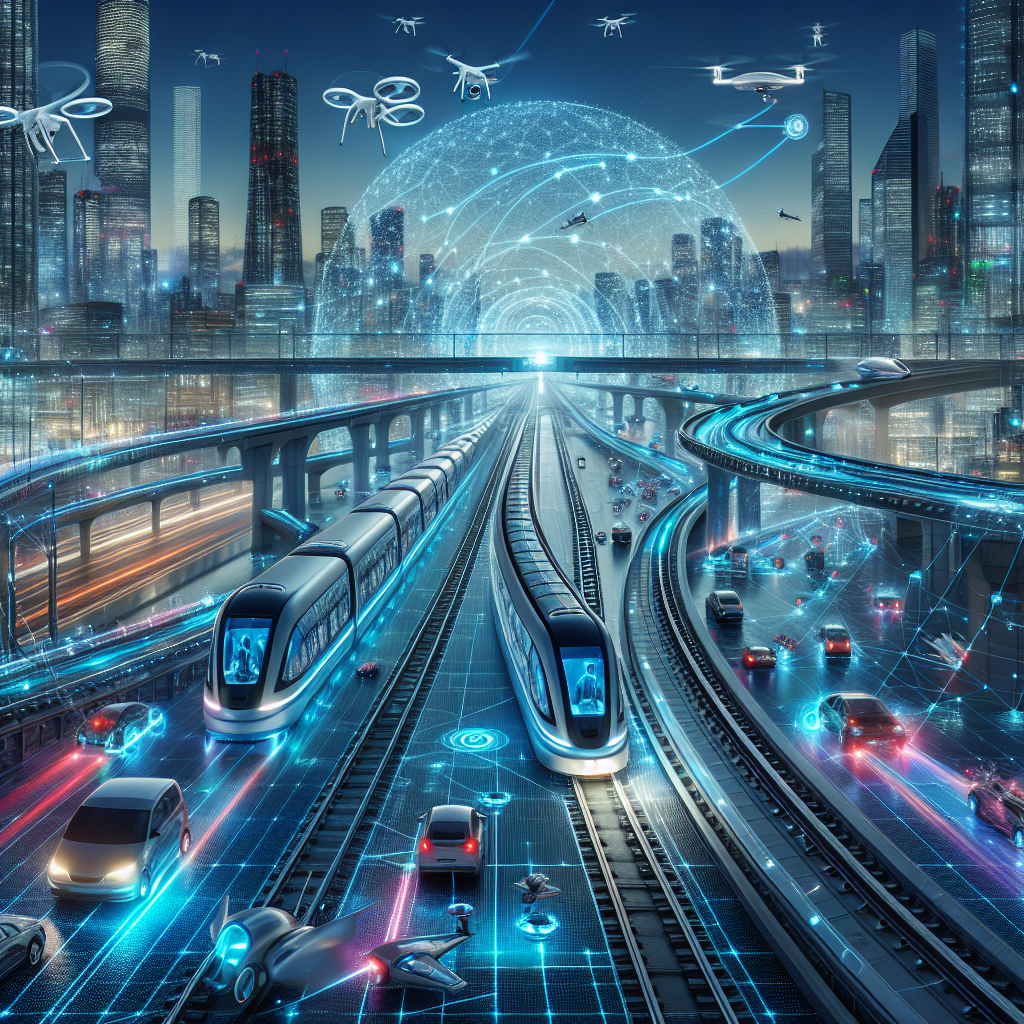
The Future of AI Platforms in Transportation
Artificial Intelligence (AI) has become increasingly integrated into various industries, and transportation is no exception. AI platforms are revolutionizing the way we travel, optimizing routes, predicting traffic patterns, and enhancing overall efficiency. As technology continues to advance, the future of AI platforms in transportation is promising, with the potential to transform the way we commute and improve the overall transportation system.
AI platforms in transportation are already making a significant impact, with applications ranging from autonomous vehicles to traffic management systems. These platforms use machine learning algorithms to analyze vast amounts of data in real-time, allowing for quick decision-making and efficient operations. As technology continues to evolve, the capabilities of AI platforms in transportation will only continue to expand, offering innovative solutions to the challenges facing the industry.
One of the key benefits of AI platforms in transportation is their ability to improve safety on the roads. Autonomous vehicles, powered by AI technology, are equipped with sensors and cameras that enable them to detect obstacles, pedestrians, and other vehicles in real-time. These vehicles can make split-second decisions to avoid accidents and prevent collisions, potentially saving countless lives on the road.
In addition to safety, AI platforms in transportation also offer significant environmental benefits. By optimizing routes and reducing traffic congestion, these platforms can help minimize fuel consumption and emissions, leading to a more sustainable transportation system. The use of AI technology in public transportation systems can also help reduce the overall carbon footprint of cities, making them more environmentally friendly and efficient.
As technology continues to advance, the future of AI platforms in transportation holds great promise. Here are some of the key trends and developments shaping the future of AI in transportation:
1. Autonomous Vehicles: The development of autonomous vehicles is one of the most significant trends in transportation. These vehicles use AI technology to navigate roads, detect obstacles, and make decisions in real-time. As autonomous vehicles become more advanced and widespread, they have the potential to revolutionize the way we commute, reducing accidents and congestion on the roads.
2. Smart Traffic Management: AI platforms are being used to optimize traffic flow, reduce congestion, and improve overall transportation efficiency. These platforms can analyze traffic patterns, predict congestion hotspots, and suggest alternative routes in real-time. By leveraging AI technology, cities can create smarter transportation systems that are more responsive to the needs of commuters.
3. Predictive Maintenance: AI platforms can also be used to perform predictive maintenance on transportation infrastructure, such as bridges, tunnels, and roads. By analyzing data on wear and tear, these platforms can predict when maintenance is needed, preventing costly repairs and ensuring the safety of commuters.
4. Personalized Commuting: AI platforms can provide personalized commuting solutions, such as route recommendations based on individual preferences and traffic conditions. By analyzing data on commuting habits and preferences, these platforms can help commuters find the most efficient and convenient routes to their destinations.
5. Integration with Public Transportation: AI platforms can also be integrated with public transportation systems to enhance the overall commuting experience. By providing real-time information on bus and train schedules, traffic conditions, and alternative routes, these platforms can help commuters make informed decisions and optimize their travel plans.
FAQs
Q: How will AI platforms improve safety on the roads?
A: AI platforms in transportation, such as autonomous vehicles, are equipped with sensors and cameras that enable them to detect obstacles, pedestrians, and other vehicles in real-time. These vehicles can make split-second decisions to avoid accidents and prevent collisions, potentially saving countless lives on the road.
Q: What environmental benefits do AI platforms in transportation offer?
A: AI platforms in transportation can help minimize fuel consumption and emissions by optimizing routes, reducing traffic congestion, and improving overall transportation efficiency. This can lead to a more sustainable transportation system and a reduction in the overall carbon footprint of cities.
Q: How will AI platforms be integrated with public transportation systems?
A: AI platforms can be integrated with public transportation systems to provide real-time information on bus and train schedules, traffic conditions, and alternative routes. This information can help commuters make informed decisions and optimize their travel plans for a more efficient commuting experience.
In conclusion, the future of AI platforms in transportation is bright, with the potential to revolutionize the way we commute and improve the overall transportation system. From autonomous vehicles to smart traffic management systems, AI technology is shaping the future of transportation in exciting ways. As technology continues to evolve, we can expect to see even more innovative solutions that will enhance safety, efficiency, and sustainability in transportation.