
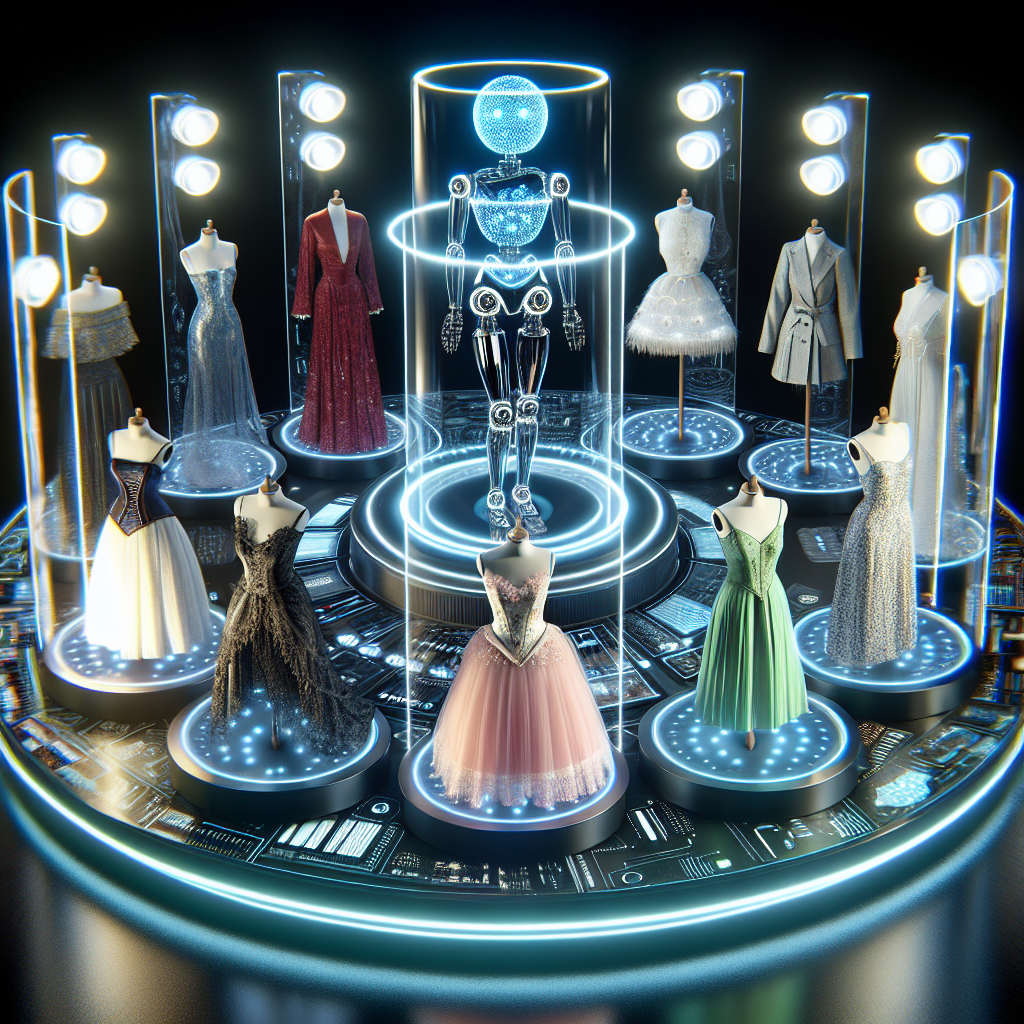
The fashion industry is known for its ever-changing trends and styles, with new designs and collections constantly emerging. Keeping up with the latest trends can be a daunting task, but thanks to advancements in technology, predicting fashion trends has become easier than ever before. Artificial intelligence (AI) is now being used to forecast trends in the fashion industry, helping designers and retailers stay ahead of the curve.
AI technology has the ability to analyze vast amounts of data, from social media posts to runway shows, to identify patterns and predict future trends. By analyzing this data, AI algorithms can identify popular colors, patterns, styles, and even materials that are likely to be in demand in the future. This information can then be used by designers to create new collections that are in line with current trends, and by retailers to stock their shelves with items that are likely to sell well.
One of the key benefits of using AI to predict fashion trends is that it can help reduce the guesswork involved in forecasting trends. Designers and retailers no longer have to rely solely on their instincts or intuition to predict what will be popular in the future. Instead, they can use data-driven insights to make more informed decisions about which trends to invest in.
In addition to predicting trends, AI technology can also be used to personalize the shopping experience for consumers. By analyzing data on individual preferences and shopping habits, AI algorithms can recommend products that are tailored to each customer’s unique style. This can help retailers increase sales and improve customer satisfaction by offering a more personalized shopping experience.
Furthermore, AI can also be used to streamline the design process. By analyzing data on past trends and consumer preferences, designers can use AI algorithms to generate new design ideas and concepts. This can help designers save time and resources by quickly identifying trends that are likely to be popular, allowing them to focus their efforts on creating designs that are more likely to resonate with consumers.
Overall, the use of AI in the fashion industry has the potential to revolutionize the way trends are predicted and designs are created. By leveraging the power of AI technology, designers and retailers can stay ahead of the curve and meet the ever-changing demands of consumers.
FAQs:
Q: How accurate are AI predictions in the fashion industry?
A: AI predictions in the fashion industry can be highly accurate, as they are based on data-driven insights and analysis. However, like any predictive technology, there is always some margin of error. It is important for designers and retailers to use AI predictions as one tool among many in their decision-making process.
Q: How can designers and retailers access AI technology for trend forecasting?
A: There are a number of AI platforms and tools available that are specifically designed for trend forecasting in the fashion industry. These tools can analyze data from a variety of sources, including social media, runway shows, and consumer behavior, to provide insights on future trends. Designers and retailers can partner with AI companies or invest in AI technology to access these capabilities.
Q: Can AI technology replace human creativity in the fashion industry?
A: While AI technology can assist designers in predicting trends and generating new design ideas, it is unlikely to replace human creativity entirely. Designers bring a unique perspective and artistic vision to their work that cannot be replicated by AI algorithms. AI technology should be seen as a tool to enhance, rather than replace, human creativity in the fashion industry.
Q: How is AI technology changing the retail landscape in the fashion industry?
A: AI technology is revolutionizing the retail landscape in the fashion industry by providing retailers with valuable insights into consumer preferences and trends. This information can help retailers optimize their inventory, personalize the shopping experience, and increase sales. By leveraging AI technology, retailers can stay competitive in an increasingly fast-paced and data-driven industry.