
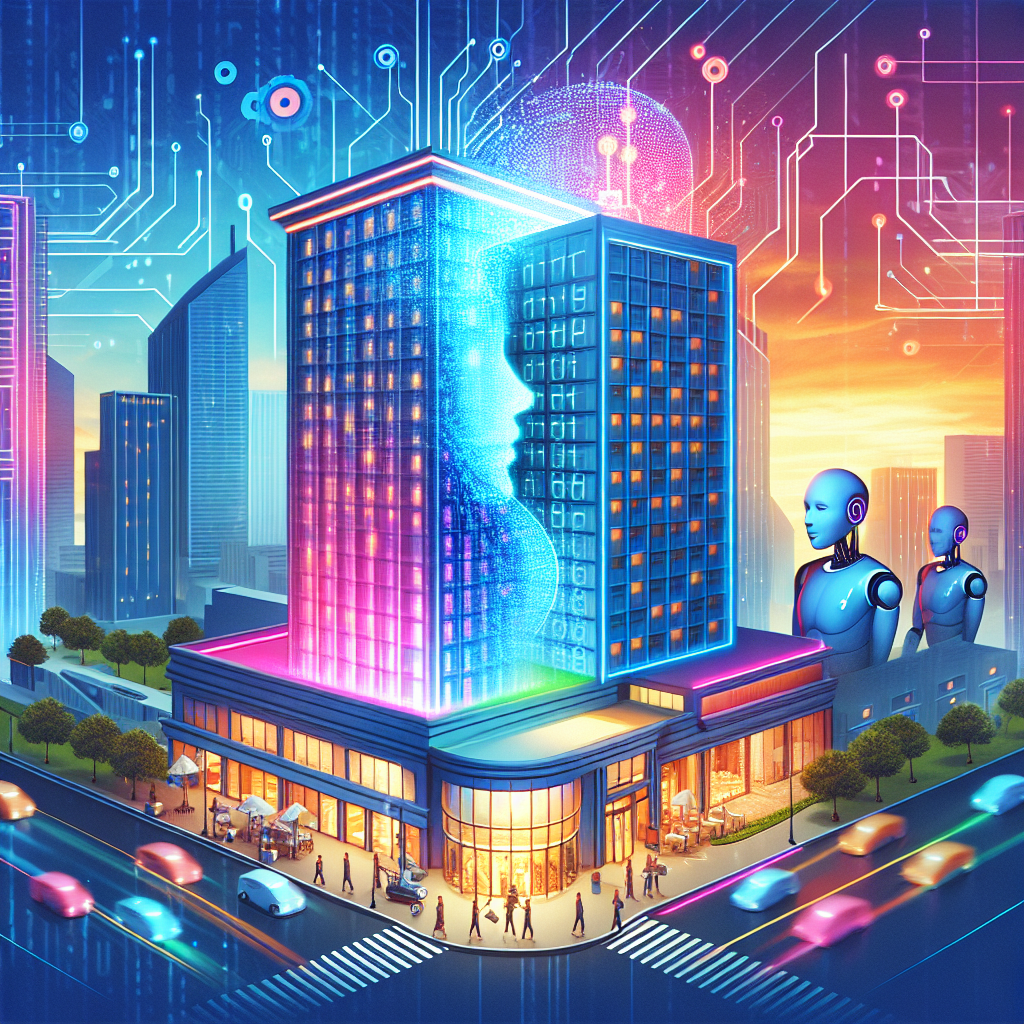
The hotel industry is constantly evolving, and one of the most significant advancements in recent years has been the integration of artificial intelligence (AI) technology. AI is revolutionizing the way hotels operate, from improving guest experiences to streamlining operations and increasing efficiency. In this article, we will explore how AI is transforming the hotel industry and the benefits it brings to both hotel owners and guests.
AI in Guest Experience
One of the most noticeable ways AI is revolutionizing the hotel industry is through personalized guest experiences. AI-powered chatbots are now being used by many hotels to provide instant responses to guest inquiries, room service requests, and recommendations for local attractions. These chatbots are available 24/7, providing guests with the convenience of instant assistance without needing to wait for a human agent.
AI is also being used to personalize guest stays by analyzing data such as past booking history, preferences, and behavior patterns. This allows hotels to offer tailored recommendations for room upgrades, dining options, and activities, creating a more personalized and memorable experience for guests.
In addition, AI-powered virtual assistants in hotel rooms can enhance the guest experience by providing information on hotel amenities, local attractions, and weather updates. Guests can also use these virtual assistants to control room temperature, lighting, and entertainment systems, creating a more comfortable and convenient stay.
AI in Operations
AI is also revolutionizing hotel operations by increasing efficiency and streamlining processes. AI-powered revenue management systems can analyze historical booking data, market trends, and competitor pricing to optimize room rates in real-time. This helps hotels maximize revenue by adjusting prices dynamically based on demand and supply factors.
AI is also being used to automate repetitive tasks such as booking confirmations, check-in procedures, and payment processing. This not only saves time for hotel staff but also reduces the risk of errors and improves overall efficiency.
AI-powered predictive maintenance systems can also help hotels proactively identify and address maintenance issues before they escalate. By analyzing data from sensors and equipment, these systems can predict when a piece of equipment is likely to fail and schedule maintenance before it causes any disruptions to guests.
Benefits of AI in the Hotel Industry
The integration of AI technology in the hotel industry brings a multitude of benefits for both hotel owners and guests. Some of the key benefits include:
1. Improved guest experiences: AI-powered chatbots and virtual assistants provide instant assistance and personalized recommendations, creating a more convenient and enjoyable stay for guests.
2. Increased efficiency: AI automates repetitive tasks, optimizes pricing strategies, and predicts maintenance issues, saving time and resources for hotel staff.
3. Enhanced revenue management: AI-powered revenue management systems optimize room rates in real-time based on demand and supply factors, maximizing revenue for hotels.
4. Streamlined operations: AI streamlines processes such as booking confirmations, check-in procedures, and payment processing, reducing the risk of errors and improving overall efficiency.
5. Proactive maintenance: AI-powered predictive maintenance systems help hotels identify and address maintenance issues before they escalate, minimizing disruptions to guests and reducing maintenance costs.
FAQs
Q: Will AI replace human staff in hotels?
A: While AI technology is being used to automate repetitive tasks and streamline operations, it is unlikely to replace human staff entirely. Human interaction is still essential in providing personalized guest experiences and handling complex situations that require empathy and problem-solving skills.
Q: Is AI technology secure for handling guest data?
A: Hotels must ensure that AI systems comply with data privacy regulations and implement robust security measures to protect guest data. By encrypting data, implementing access controls, and regularly updating security protocols, hotels can minimize the risk of data breaches and ensure the privacy and security of guest information.
Q: How can hotels ensure a seamless integration of AI technology?
A: To successfully integrate AI technology into their operations, hotels should invest in staff training to familiarize employees with AI systems and ensure they are used effectively. Hotels should also collaborate with AI vendors to customize solutions to meet their specific needs and provide ongoing support and maintenance to ensure a seamless integration.
In conclusion, AI technology is revolutionizing the hotel industry by improving guest experiences, increasing efficiency, and streamlining operations. By leveraging AI-powered chatbots, virtual assistants, revenue management systems, and predictive maintenance systems, hotels can provide personalized and memorable stays for guests while optimizing revenue and reducing costs. As AI continues to advance, its impact on the hotel industry is only set to grow, shaping the future of hospitality in exciting and innovative ways.