
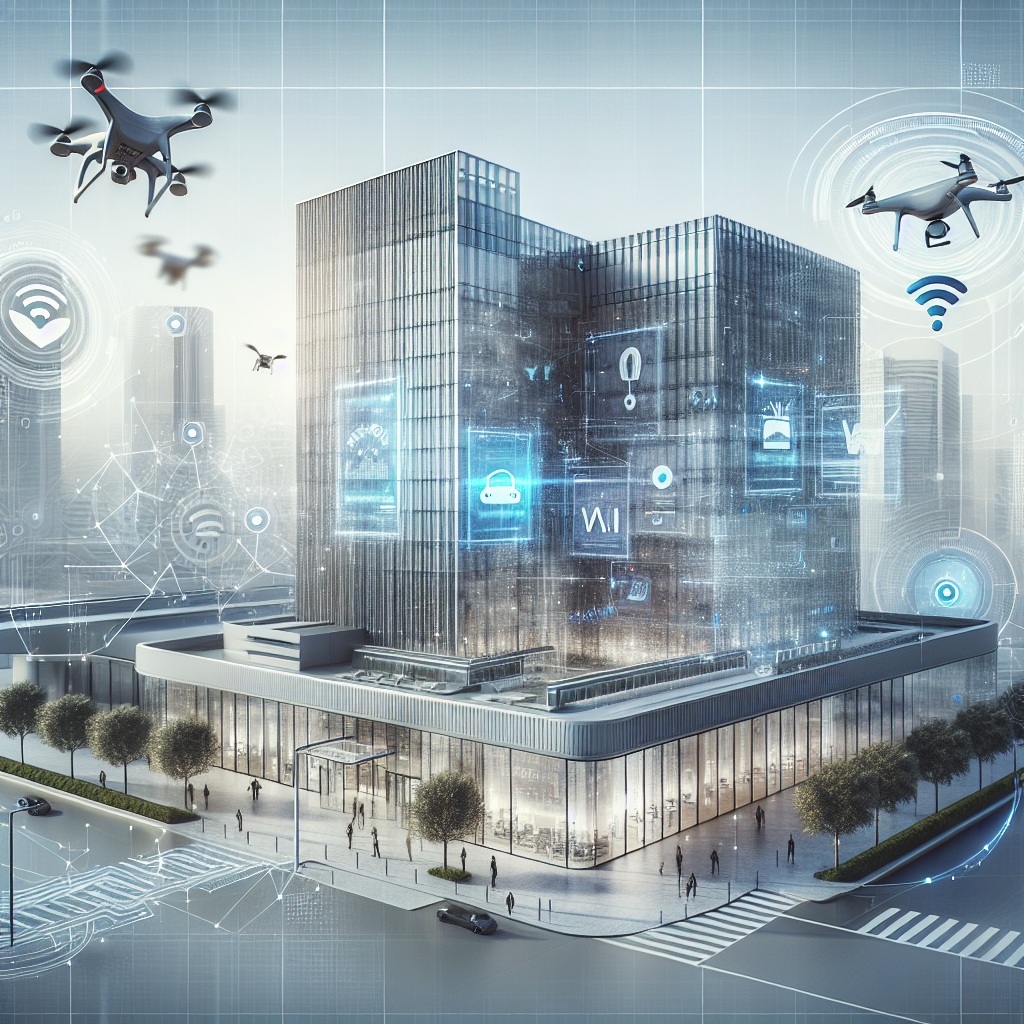
Introduction
Artificial Intelligence (AI) is revolutionizing every aspect of our lives, and the world of smart buildings is no exception. Smart buildings are equipped with sensors, controllers, and other devices that gather and analyze data to improve efficiency, comfort, and security. With the help of AI, these buildings can become even smarter, more energy-efficient, and more responsive to the needs of their occupants.
Evolution of Smart Buildings
Smart buildings have come a long way since their inception. In the past, buildings were controlled manually, with little consideration for energy efficiency or occupant comfort. With the advent of technologies such as sensors, controllers, and building automation systems, buildings began to be more automated and efficient.
However, the real game-changer for smart buildings has been AI. With AI, buildings can analyze vast amounts of data in real-time to optimize energy usage, predict maintenance needs, and improve occupant comfort. AI-powered smart buildings are able to learn and adapt over time, making them more efficient and responsive than ever before.
Benefits of AI in Smart Buildings
There are numerous benefits to incorporating AI into smart buildings. Some of the key advantages include:
1. Energy Efficiency: AI can analyze data from sensors and other devices to optimize energy usage in a building. By adjusting lighting, heating, and cooling systems based on occupancy levels and weather conditions, AI can significantly reduce energy costs.
2. Predictive Maintenance: AI can analyze data to predict when equipment is likely to fail, allowing for proactive maintenance before a breakdown occurs. This can help reduce downtime and extend the lifespan of building systems.
3. Improved Occupant Comfort: AI can also analyze data on occupant behavior and preferences to adjust settings in real-time. For example, AI can adjust lighting levels, temperature, and air quality to create a more comfortable environment for occupants.
4. Enhanced Security: AI can be used to analyze video feeds and other data to detect anomalies and potential security threats. This can help prevent break-ins and other security incidents in smart buildings.
FAQs
Q: How does AI improve energy efficiency in smart buildings?
A: AI can analyze data from sensors and other devices to optimize energy usage in a building. By adjusting lighting, heating, and cooling systems based on occupancy levels and weather conditions, AI can significantly reduce energy costs.
Q: Can AI help reduce maintenance costs in smart buildings?
A: Yes, AI can analyze data to predict when equipment is likely to fail, allowing for proactive maintenance before a breakdown occurs. This can help reduce downtime and extend the lifespan of building systems.
Q: How does AI improve occupant comfort in smart buildings?
A: AI can analyze data on occupant behavior and preferences to adjust settings in real-time. For example, AI can adjust lighting levels, temperature, and air quality to create a more comfortable environment for occupants.
Q: Is AI used for security purposes in smart buildings?
A: Yes, AI can be used to analyze video feeds and other data to detect anomalies and potential security threats. This can help prevent break-ins and other security incidents in smart buildings.
Conclusion
AI is transforming the world of smart buildings, making them more efficient, comfortable, and secure than ever before. By analyzing data in real-time and learning from past patterns, AI-powered smart buildings can optimize energy usage, predict maintenance needs, and improve occupant comfort. As AI continues to evolve, we can expect smart buildings to become even smarter and more responsive to the needs of their occupants.