
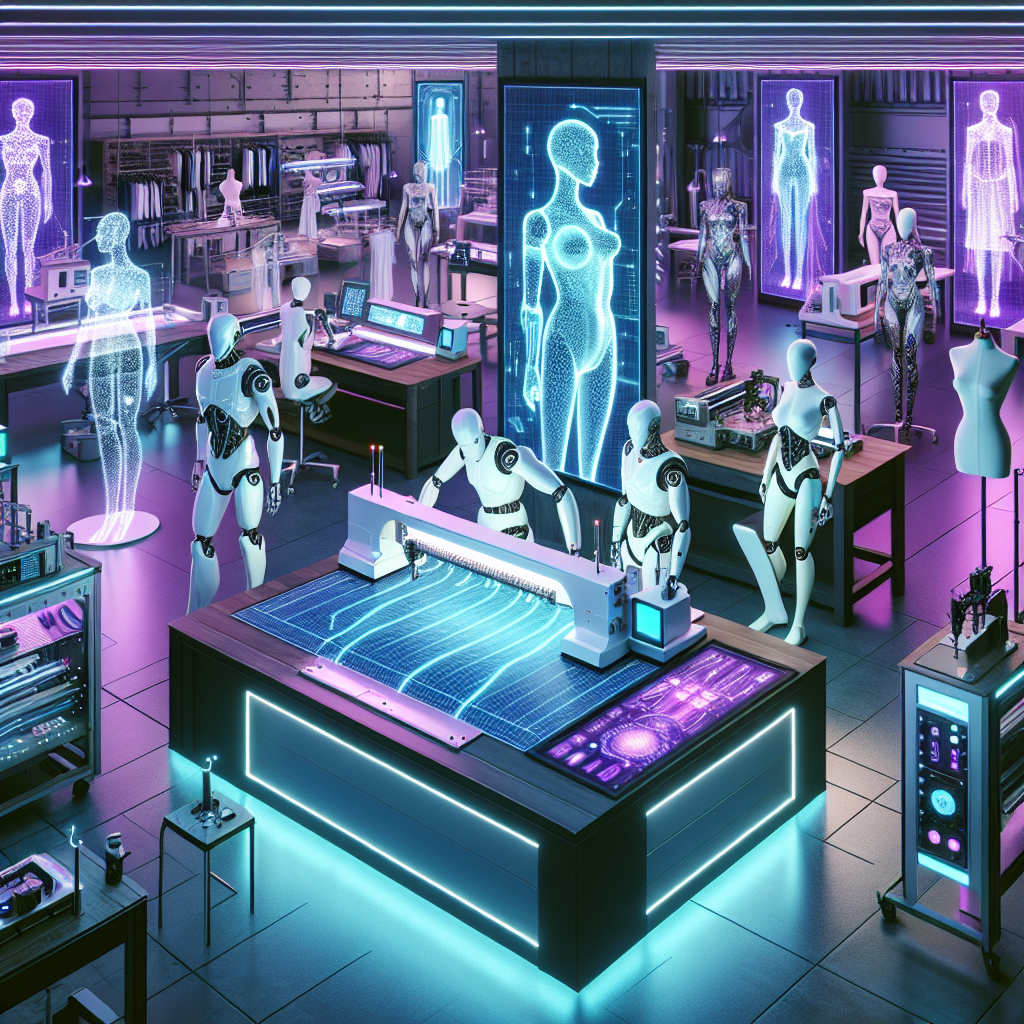
AI-Powered Design: The Future of Fashion Creation
In recent years, artificial intelligence (AI) has been making significant strides in various industries, from healthcare to finance to transportation. One area that has seen a rapid evolution due to AI is the fashion industry. AI-powered design is changing the way fashion is created, making the process faster, more efficient, and more innovative than ever before.
AI-powered design uses algorithms and machine learning to analyze data, predict trends, and generate new designs. This technology can help designers create unique and personalized pieces, streamline the production process, and even reduce waste. As AI continues to advance, the possibilities for fashion creation are limitless.
How AI is Revolutionizing Fashion Design
AI is revolutionizing the fashion industry in a number of ways:
1. Trend Forecasting: One of the key ways AI is transforming fashion design is through trend forecasting. AI algorithms can analyze vast amounts of data from social media, online searches, and sales trends to predict what styles and colors will be popular in the future. This allows designers to create collections that are more in tune with consumer preferences and market demands.
2. Design Assistance: AI can also assist designers in the creative process. By analyzing past designs and consumer feedback, AI can suggest new ideas, patterns, and color combinations. This can help designers generate new concepts more quickly and efficiently, saving time and resources.
3. Personalization: AI-powered design can also help create personalized fashion pieces for individual consumers. By analyzing data on a customer’s preferences, body measurements, and style choices, AI algorithms can generate custom designs that are tailored to their specific needs. This can lead to a more personalized shopping experience and higher customer satisfaction.
4. Production Optimization: AI can also optimize the production process by predicting demand, managing inventory, and reducing waste. By analyzing sales data and consumer behavior, AI can help designers produce the right amount of clothing in the right sizes and styles, reducing the risk of overproduction and excess inventory.
5. Sustainability: AI-powered design can also help reduce the environmental impact of the fashion industry. By optimizing production processes, reducing waste, and creating more sustainable materials, AI can help designers create eco-friendly and ethical fashion collections.
Challenges and Opportunities
While AI-powered design offers many benefits to the fashion industry, there are also challenges that need to be addressed. One of the main concerns is the potential loss of creativity and human touch in the design process. Some critics worry that relying too heavily on AI algorithms could lead to homogenized designs and a lack of originality in the fashion industry.
Another challenge is the need for designers and manufacturers to adapt to new technologies and learn how to integrate AI into their workflow. This requires investment in training, infrastructure, and resources, which can be a barrier for smaller brands and independent designers.
However, despite these challenges, AI-powered design also presents many opportunities for the fashion industry. By harnessing the power of AI, designers can create more innovative and unique designs, streamline production processes, and reduce costs. AI can also help designers reach new audiences, personalize their offerings, and stay ahead of changing trends.
FAQs
Q: How is AI used in fashion design?
A: AI is used in fashion design in a number of ways, including trend forecasting, design assistance, personalization, production optimization, and sustainability.
Q: Can AI replace human designers?
A: While AI can assist designers in the creative process, it is unlikely to replace human designers entirely. AI algorithms lack the creativity, intuition, and emotion that human designers bring to the table.
Q: What are the benefits of AI-powered design in fashion?
A: The benefits of AI-powered design in fashion include faster trend forecasting, more personalized designs, optimized production processes, reduced waste, and increased sustainability.
Q: How can designers and brands integrate AI into their workflow?
A: Designers and brands can integrate AI into their workflow by investing in training, infrastructure, and resources, collaborating with AI experts, and experimenting with new technologies.
Q: What are the potential challenges of AI-powered design in fashion?
A: Some potential challenges of AI-powered design in fashion include the loss of creativity and human touch, the need for investment in training and resources, and concerns about data privacy and ethical implications.
In conclusion, AI-powered design is transforming the fashion industry in exciting and innovative ways. By harnessing the power of AI algorithms and machine learning, designers can create more personalized, sustainable, and trend-setting fashion collections. While there are challenges to overcome, the opportunities for growth and creativity in the fashion industry are endless with AI-powered design.