
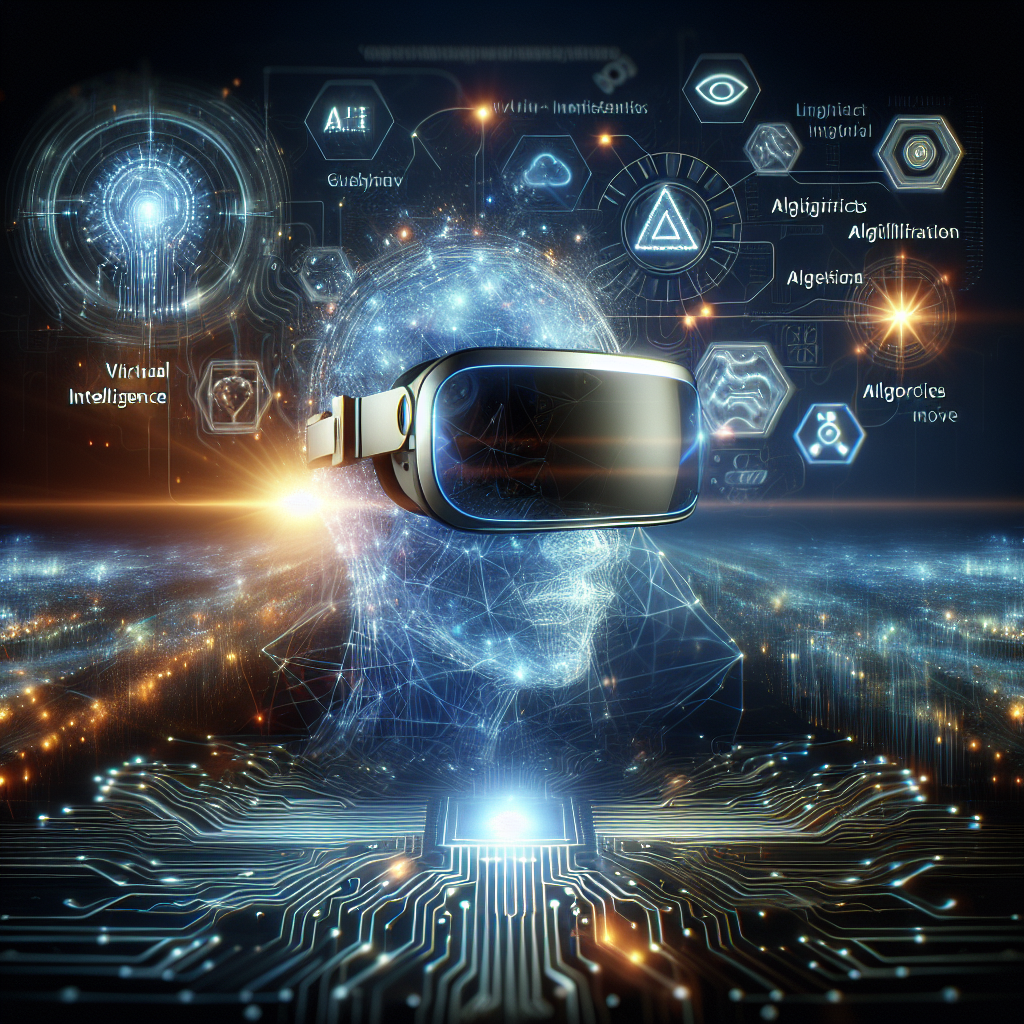
The Future of AI-driven Solutions in Virtual Reality
Virtual reality (VR) technology has been rapidly advancing in recent years, offering immersive experiences in various fields such as gaming, entertainment, education, and training. With the integration of artificial intelligence (AI) into VR, the possibilities for innovative solutions and applications are endless. AI-driven solutions in VR have the potential to revolutionize the way we interact with virtual environments, making them more interactive, intelligent, and personalized.
AI-driven solutions in VR can enhance the overall user experience by providing intelligent, adaptive, and personalized interactions. These solutions can analyze user behavior, preferences, and interactions in real-time, allowing for a more customized and engaging experience. For example, AI algorithms can track eye movements, gestures, and facial expressions to understand the user’s emotions and adjust the virtual environment accordingly. This level of personalization can create more immersive and meaningful experiences for users.
One of the key advantages of AI-driven solutions in VR is the ability to create intelligent and responsive virtual characters or avatars. These virtual characters can interact with users in a more natural and human-like manner, providing a more engaging and realistic experience. AI algorithms can enable virtual characters to understand and respond to user input, making conversations and interactions more dynamic and interactive. This level of interactivity can enhance training simulations, educational experiences, and entertainment applications in VR.
AI-driven solutions in VR can also improve the overall performance and efficiency of virtual environments. AI algorithms can optimize resource allocation, rendering, and processing to ensure a smooth and immersive experience for users. By analyzing user behavior and preferences, AI can predict and anticipate user actions, reducing latency and improving responsiveness in VR applications. This can result in a more seamless and enjoyable user experience, making VR applications more accessible and engaging for a wider audience.
Another area where AI-driven solutions in VR can make a significant impact is in healthcare and therapy. Virtual reality has been used in various medical applications, such as pain management, rehabilitation, and mental health therapy. By integrating AI into VR, healthcare professionals can create personalized and adaptive therapy programs for patients, based on their individual needs and progress. AI algorithms can analyze patient data, track progress, and adjust therapy programs in real-time, making therapy sessions more effective and efficient.
The future of AI-driven solutions in VR is bright, with endless possibilities for innovation and advancement. As AI technology continues to evolve and improve, the potential for intelligent and interactive VR experiences will only increase. From personalized gaming experiences to immersive training simulations to advanced healthcare applications, AI-driven solutions in VR have the potential to transform how we interact with virtual environments and enhance the overall user experience.
FAQs
Q: How does AI enhance virtual reality experiences?
A: AI enhances virtual reality experiences by providing intelligent, adaptive, and personalized interactions. AI algorithms can analyze user behavior, preferences, and interactions in real-time, allowing for a more customized and engaging experience. This level of personalization can create more immersive and meaningful experiences for users.
Q: What are some applications of AI-driven solutions in VR?
A: AI-driven solutions in VR can be used in various fields, such as gaming, entertainment, education, training, healthcare, and therapy. These solutions can enhance the overall user experience, improve performance and efficiency of virtual environments, and create intelligent and responsive virtual characters or avatars.
Q: How can AI improve healthcare applications in VR?
A: AI can improve healthcare applications in VR by creating personalized and adaptive therapy programs for patients, based on their individual needs and progress. AI algorithms can analyze patient data, track progress, and adjust therapy programs in real-time, making therapy sessions more effective and efficient.
Q: What is the future of AI-driven solutions in VR?
A: The future of AI-driven solutions in VR is bright, with endless possibilities for innovation and advancement. As AI technology continues to evolve and improve, the potential for intelligent and interactive VR experiences will only increase. From personalized gaming experiences to immersive training simulations to advanced healthcare applications, AI-driven solutions in VR have the potential to transform how we interact with virtual environments and enhance the overall user experience.