
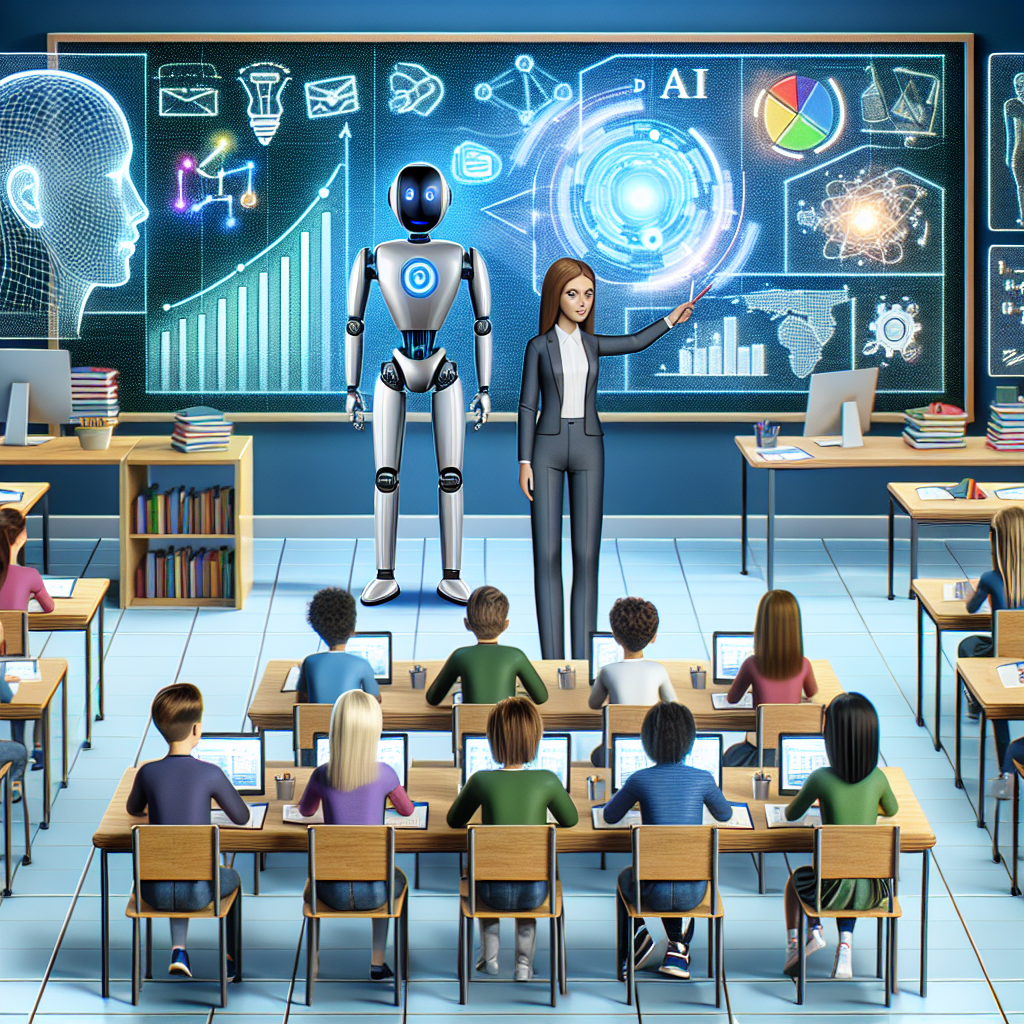
In today’s rapidly evolving educational landscape, student engagement is more important than ever. With the rise of online learning and digital tools, educators are constantly seeking new ways to keep students motivated and involved in their learning. One emerging technology that holds great promise in this area is artificial intelligence (AI). By harnessing the power of AI, educators can personalize learning experiences, provide real-time feedback, and create interactive and engaging content that resonates with students. In this article, we will explore how AI can be used to improve student engagement and enhance the overall learning experience.
Why is student engagement important?
Student engagement is crucial for academic success and overall well-being. Engaged students are more likely to participate in class, complete assignments on time, and perform well on assessments. Additionally, engaged students are more likely to develop a love for learning and continue their education beyond the classroom. Research has shown that engaged students are more motivated, have higher self-esteem, and are more likely to achieve their academic goals.
How can AI improve student engagement?
AI can improve student engagement in a variety of ways. One of the key ways AI can enhance student engagement is through personalized learning experiences. By analyzing student data and behavior, AI can create customized learning paths for each student based on their individual strengths, weaknesses, and learning styles. This personalized approach enables students to learn at their own pace and focus on areas where they need the most help, leading to increased engagement and motivation.
Another way AI can improve student engagement is through real-time feedback. AI-powered tools can provide instant feedback on assignments, quizzes, and assessments, allowing students to track their progress and make improvements as needed. This immediate feedback helps students stay on track and motivated to continue learning.
AI can also enhance student engagement through the creation of interactive and engaging content. By using AI to develop interactive simulations, games, and activities, educators can create a more immersive learning experience that captures students’ attention and keeps them engaged. These interactive tools can make learning more fun and engaging, leading to increased motivation and enthusiasm for the subject matter.
Additionally, AI can be used to create adaptive learning environments that adjust to students’ needs in real time. By continuously monitoring student progress and performance, AI can provide additional support and resources to help students overcome challenges and master difficult concepts. This personalized approach can boost student confidence and engagement, leading to improved learning outcomes.
What are some examples of AI tools that can improve student engagement?
There are a variety of AI tools available that can help improve student engagement. One popular AI tool is chatbots, which can provide instant support and assistance to students when they have questions or need help with assignments. Chatbots can answer student queries, provide feedback on assignments, and offer personalized recommendations for further study.
Another example of an AI tool that can enhance student engagement is virtual reality (VR) technology. VR can create immersive learning environments that simulate real-world scenarios and allow students to explore complex concepts in a hands-on way. By using VR technology, educators can create interactive simulations and activities that make learning more engaging and memorable for students.
AI-powered adaptive learning platforms are also effective tools for improving student engagement. These platforms use AI algorithms to analyze student data and behavior, and then create personalized learning paths for each student. By adapting to students’ individual needs and preferences, these platforms can increase student engagement and motivation.
What are the potential challenges of using AI to improve student engagement?
While AI has the potential to greatly enhance student engagement, there are also some potential challenges to consider. One challenge is the need for adequate training and support for educators to effectively use AI tools in the classroom. Educators may require training on how to integrate AI into their teaching practices and how to interpret and respond to the data generated by AI-powered tools.
Another challenge is the potential for bias in AI algorithms. AI systems are only as good as the data they are trained on, and if the data contains biases, these biases can be perpetuated in the AI system. Educators must be aware of the potential for bias in AI tools and take steps to mitigate these biases to ensure fair and equitable outcomes for all students.
Privacy and data security are also important considerations when using AI to improve student engagement. Educators must ensure that student data is protected and used in compliance with privacy regulations. Additionally, educators must be transparent with students about how their data is being used and ensure that students have control over their own data.
What are some best practices for using AI to improve student engagement?
To effectively use AI to improve student engagement, educators should follow some best practices:
1. Start small: Begin by implementing one or two AI tools in the classroom and gradually expand as you become more comfortable with the technology.
2. Provide training: Offer training and support to educators on how to use AI tools effectively and integrate them into their teaching practices.
3. Monitor student progress: Continuously monitor student data and behavior to identify areas where students may need additional support or resources.
4. Encourage collaboration: Use AI tools to facilitate collaboration and interaction among students, creating a more engaging and interactive learning environment.
5. Evaluate and adjust: Regularly assess the effectiveness of AI tools in improving student engagement and adjust your approach as needed to maximize impact.
In conclusion, AI has the potential to revolutionize education and enhance student engagement in meaningful ways. By leveraging the power of AI to personalize learning experiences, provide real-time feedback, and create interactive and engaging content, educators can create a more dynamic and immersive learning environment that motivates and inspires students. While there are challenges to consider, with careful planning and implementation, AI can be a valuable tool for improving student engagement and ultimately, student success.
FAQs
1. How can AI be used to personalize learning experiences for students?
AI can be used to analyze student data and behavior to create customized learning paths for each student based on their individual strengths, weaknesses, and learning styles. This personalized approach enables students to learn at their own pace and focus on areas where they need the most help.
2. What are some examples of AI tools that can improve student engagement?
Some examples of AI tools that can improve student engagement include chatbots, virtual reality (VR) technology, and adaptive learning platforms. These tools can provide instant support, create immersive learning environments, and offer personalized learning paths for students.
3. What are some potential challenges of using AI to improve student engagement?
Some potential challenges of using AI to improve student engagement include the need for adequate training and support for educators, the potential for bias in AI algorithms, and privacy and data security concerns. Educators must be aware of these challenges and take steps to address them effectively.
4. What are some best practices for using AI to improve student engagement?
Some best practices for using AI to improve student engagement include starting small, providing training for educators, monitoring student progress, encouraging collaboration, and evaluating and adjusting your approach as needed. By following these best practices, educators can effectively leverage AI to enhance student engagement.