
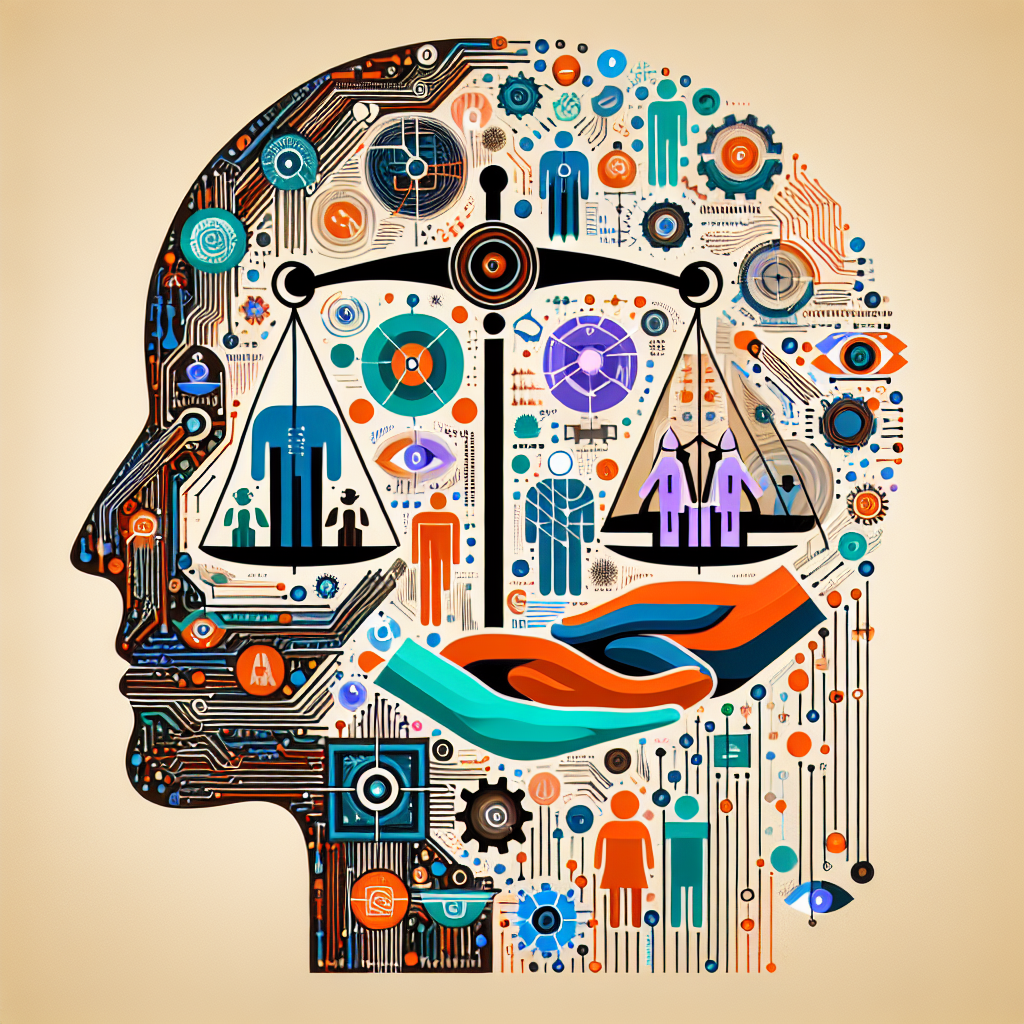
The Impact of Ethical AI on Social Relationships and Interactions
Artificial intelligence (AI) has become increasingly prevalent in our society, with applications ranging from virtual assistants to self-driving cars. As AI technology continues to advance, it is important to consider the ethical implications of its use, especially when it comes to its impact on social relationships and interactions.
AI has the potential to greatly enhance our lives, making tasks more efficient and providing personalized services. However, it also raises concerns about privacy, bias, and the potential for AI to replace human jobs. When it comes to social relationships and interactions, AI can have both positive and negative effects.
Positive Impacts of Ethical AI on Social Relationships and Interactions
One of the main ways that AI can positively impact social relationships is through increased accessibility and convenience. For example, AI-powered virtual assistants like Siri and Alexa can help individuals stay organized, set reminders, and access information quickly and easily. This can lead to improved communication and coordination between individuals, making it easier to stay in touch with friends and family.
AI can also enhance social interactions by providing personalized recommendations and suggestions. For example, AI algorithms can analyze a user’s preferences and behavior to recommend movies, restaurants, or products that they may enjoy. This can lead to more meaningful and enjoyable social experiences, as individuals are able to discover new things that align with their interests.
Another positive impact of AI on social relationships is its ability to facilitate communication and connection between individuals. Social media platforms like Facebook and Instagram use AI algorithms to curate personalized feeds and suggest friends to connect with. This can help individuals stay connected with their social networks and build relationships with people who share similar interests and values.
Negative Impacts of Ethical AI on Social Relationships and Interactions
Despite its potential benefits, AI also has the potential to negatively impact social relationships and interactions. One major concern is the potential for AI to perpetuate bias and discrimination. AI algorithms are trained on data that may contain biases, leading to discriminatory outcomes in areas such as hiring, lending, and criminal justice. This can exacerbate social inequalities and damage trust between individuals and institutions.
Another negative impact of AI on social relationships is its potential to erode privacy. AI-powered devices and services often collect and analyze vast amounts of personal data, raising concerns about surveillance and the misuse of sensitive information. This can lead to a loss of trust between individuals and the companies that collect their data, damaging social relationships and interactions.
AI also has the potential to disrupt social norms and behaviors. For example, the rise of AI-powered chatbots and virtual influencers blurs the line between human and machine interactions, leading to confusion and uncertainty in social relationships. Additionally, the automation of tasks through AI can lead to a loss of human connection and empathy, as individuals rely more on technology to communicate and interact with others.
FAQs
Q: How can we ensure that AI is used ethically in social relationships and interactions?
A: Ensuring ethical AI use in social relationships and interactions requires a multi-faceted approach. Companies and developers must prioritize transparency, accountability, and fairness in the design and deployment of AI systems. This includes conducting regular audits to detect and address biases, providing clear explanations of AI decisions to users, and obtaining consent for data collection and use.
Q: What role do individuals play in shaping the impact of AI on social relationships?
A: Individuals have a responsibility to educate themselves about the ethical implications of AI and advocate for the responsible use of technology. This includes being conscious of privacy settings on social media platforms, questioning the recommendations and suggestions provided by AI systems, and advocating for policies that protect against bias and discrimination in AI algorithms.
Q: How can AI be used to strengthen social relationships and interactions?
A: AI can be used to strengthen social relationships and interactions by enhancing communication, facilitating connection, and providing personalized experiences. For example, AI-powered chatbots can provide support and guidance in times of need, while AI algorithms can help individuals discover new interests and connect with like-minded individuals. By leveraging AI in a responsible and ethical manner, we can harness its potential to enrich our social interactions and relationships.