
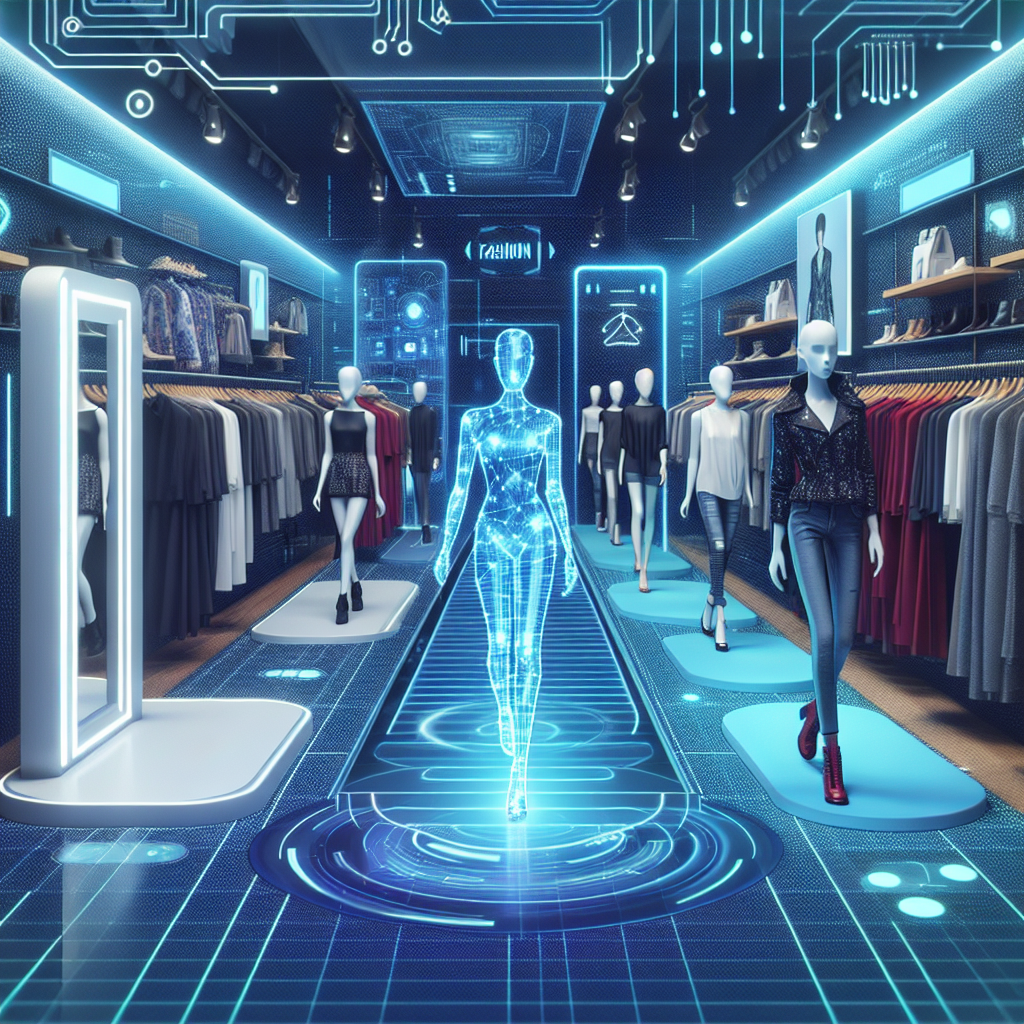
The fashion industry has always been at the forefront of innovation, constantly pushing boundaries and embracing new technologies to enhance the consumer experience. In recent years, one of the most significant advancements in the industry has been the integration of artificial intelligence (AI) into various aspects of the fashion business. From virtual try-ons to digital runways, AI is revolutionizing the way we interact with fashion.
Virtual Try-Ons
Virtual try-ons have become increasingly popular in recent years, allowing consumers to try on clothing and accessories virtually before making a purchase. This technology uses AI algorithms to analyze a user’s body shape and size, as well as the texture and fit of the clothing, to create a realistic virtual representation of how the item will look on the individual.
Virtual try-ons not only provide a more personalized shopping experience for consumers but also help reduce the number of returns and exchanges, as users can see how the item will fit before purchasing. This technology has become especially important during the COVID-19 pandemic, as many shoppers have turned to online shopping due to store closures and social distancing measures.
One example of a company leading the way in virtual try-ons is the online retailer ASOS, which launched a virtual try-on feature on its app in 2019. The feature, called “See My Fit,” uses AI technology to show shoppers how different items of clothing will look on models with various body shapes and sizes. This not only helps customers visualize how the clothing will fit but also promotes body positivity and inclusivity in the fashion industry.
Digital Runways
Another area where AI is making a significant impact in the fashion industry is in the creation of digital runways. With the rise of virtual fashion shows and events, designers are turning to AI to create immersive and interactive experiences for their audiences.
AI-powered digital runways allow designers to showcase their collections in a creative and innovative way, using virtual models and augmented reality to bring their designs to life. This technology not only provides a new platform for designers to showcase their work but also allows for more sustainable and cost-effective alternatives to traditional fashion shows.
In 2020, the digital fashion house The Fabricant made headlines with its virtual fashion show, showcasing a collection of entirely digital garments created using AI technology. The show, titled “Iridescence,” featured virtual models wearing the digital designs, creating a mesmerizing and otherworldly experience for viewers.
The Evolution of AI in Fashion
The integration of AI into the fashion industry is a natural progression of the digital revolution that has been transforming the way we shop, create, and consume fashion. From personalized recommendations to virtual try-ons and digital runways, AI is changing the way we interact with fashion in ways we never thought possible.
One of the key benefits of AI in fashion is its ability to provide more personalized and tailored shopping experiences for consumers. By analyzing data on consumer preferences, browsing history, and purchase behavior, AI algorithms can recommend products that are more likely to appeal to individual shoppers, leading to higher conversion rates and increased customer satisfaction.
Another advantage of AI in fashion is its potential to help reduce waste and promote sustainability in the industry. By optimizing inventory management, predicting trends, and reducing overproduction, AI technology can help fashion brands minimize their environmental impact and create a more sustainable supply chain.
In addition to improving the shopping experience for consumers and promoting sustainability, AI is also revolutionizing the way we create and design fashion. With the rise of digital design tools and virtual prototyping software, designers can now create and test new designs in a virtual environment before bringing them to life in the physical world.
AI technology is also being used to create more inclusive and diverse representations of beauty in the fashion industry. By using AI-powered virtual models and digital avatars, designers can showcase their collections on models of all shapes, sizes, and backgrounds, promoting inclusivity and diversity in a traditionally homogenous industry.
FAQs
Q: How is AI being used in fashion?
A: AI is being used in fashion in a variety of ways, including virtual try-ons, personalized recommendations, digital runways, trend forecasting, and sustainability initiatives.
Q: What are the benefits of AI in fashion?
A: The benefits of AI in fashion include personalized shopping experiences, reduced waste and improved sustainability, enhanced design capabilities, and more inclusive representations of beauty.
Q: How can consumers benefit from AI in fashion?
A: Consumers can benefit from AI in fashion through personalized recommendations, virtual try-ons, and a more inclusive and diverse representation of beauty in the industry.
Q: What are some examples of companies using AI in fashion?
A: Companies such as ASOS, The Fabricant, and Zara are leading the way in using AI technology in fashion to enhance the consumer experience and promote sustainability in the industry.