
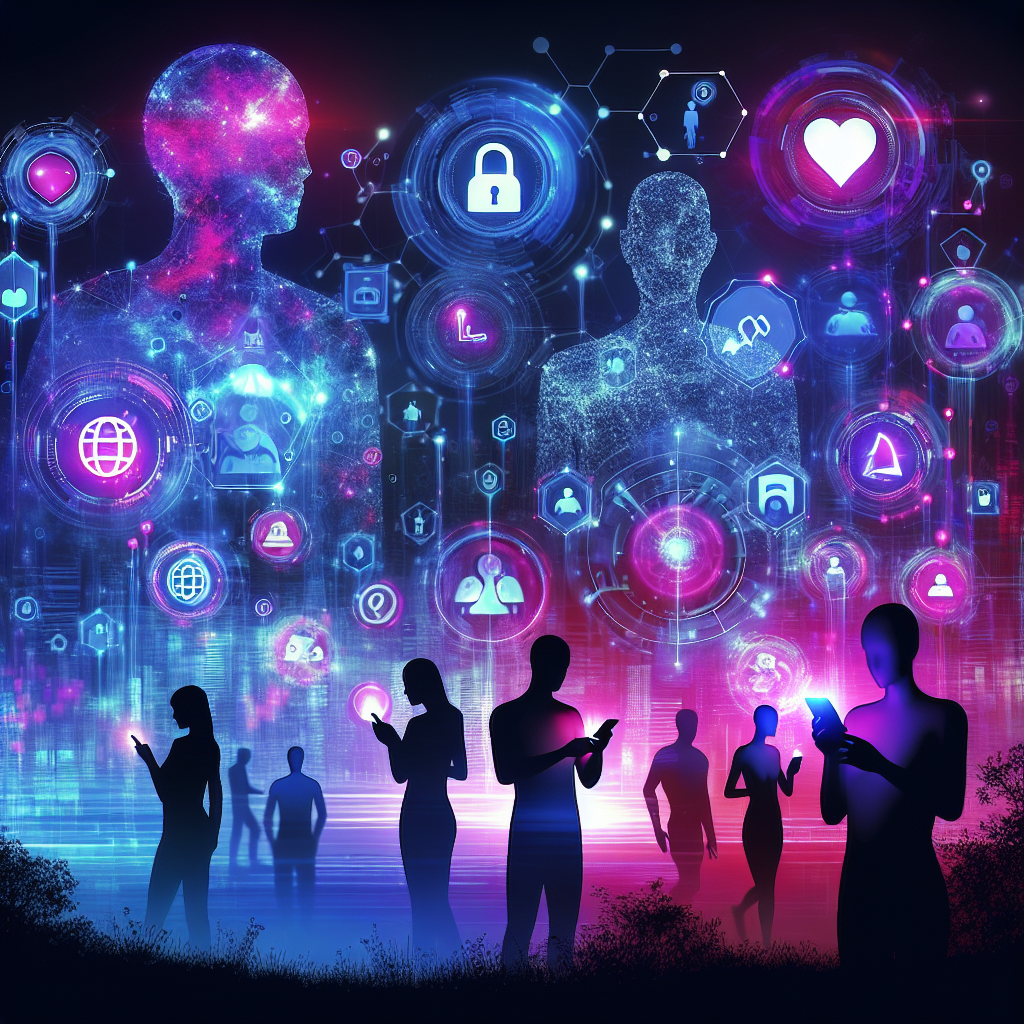
AI Influencers: The Future of Social Media Promotion
In the age of social media, influencers have become a powerful force in marketing and advertising. These individuals, who have amassed large followings on platforms like Instagram, YouTube, and TikTok, have the ability to sway consumer behavior and promote products and services to their loyal audiences. However, a new trend is emerging in the world of influencer marketing: AI influencers.
AI influencers are computer-generated personalities that have been designed to mimic human influencers. These virtual personalities are created using advanced artificial intelligence technology, which allows them to interact with followers, post content, and promote brands just like their human counterparts. While the concept of AI influencers may seem futuristic, they are already making waves in the world of social media promotion.
One of the key advantages of AI influencers is their ability to work around the clock. Unlike human influencers, who require breaks and downtime, AI influencers can be active 24/7, engaging with followers and promoting products at all hours of the day. This constant availability makes them a valuable asset for brands looking to reach a global audience and maximize their social media presence.
Another benefit of AI influencers is their scalability. While human influencers are limited by their capacity to create and post content, AI influencers can be easily replicated and deployed across multiple platforms simultaneously. This allows brands to reach a larger audience and target different demographics with ease.
AI influencers also offer a level of control and predictability that can be lacking with human influencers. Since AI personalities are programmed to behave in a certain way, brands can have more confidence in the messages and content that they promote. This reduces the risk of any controversial or inappropriate behavior that can sometimes arise with human influencers.
Despite these advantages, there are some concerns surrounding the rise of AI influencers. One of the main criticisms is the lack of authenticity and genuine connection that AI personalities can provide. While human influencers are able to build relationships with their followers based on their personality and experiences, AI influencers are inherently artificial and may struggle to create the same level of emotional connection.
Additionally, there are ethical considerations to take into account when using AI influencers. As these virtual personalities become more sophisticated and lifelike, there is a risk that consumers may be misled into thinking they are interacting with a real person. Brands must be transparent about the use of AI influencers and ensure that they are not deceiving their audience in any way.
Despite these challenges, the future of AI influencers looks bright. As technology continues to advance, AI personalities will become even more realistic and engaging, offering brands new opportunities to connect with consumers in innovative ways. With the ability to scale, work around the clock, and provide a level of control and predictability, AI influencers are poised to revolutionize the world of social media promotion.
FAQs
Q: How are AI influencers created?
A: AI influencers are created using advanced artificial intelligence technology, which allows developers to design virtual personalities that can interact with followers, post content, and promote brands.
Q: Are AI influencers effective in promoting products and services?
A: While AI influencers are still a relatively new concept, early tests have shown promising results in terms of engagement and brand awareness. As technology continues to improve, AI influencers are expected to become even more effective in promoting products and services.
Q: What are some of the ethical considerations surrounding AI influencers?
A: One of the main ethical concerns with AI influencers is the potential for deception. Brands must be transparent about the use of AI personalities and ensure that they are not misleading their audience in any way.
Q: How do AI influencers differ from human influencers?
A: AI influencers are computer-generated personalities that can work around the clock, be easily scaled, and offer a level of control and predictability that human influencers may not provide. However, they may struggle to create the same level of authenticity and connection with followers.
Q: What does the future hold for AI influencers?
A: As technology continues to advance, AI influencers are expected to become even more sophisticated and lifelike, offering brands new opportunities to engage with consumers in innovative ways. The future of AI influencers looks bright, with the potential to revolutionize the world of social media promotion.