
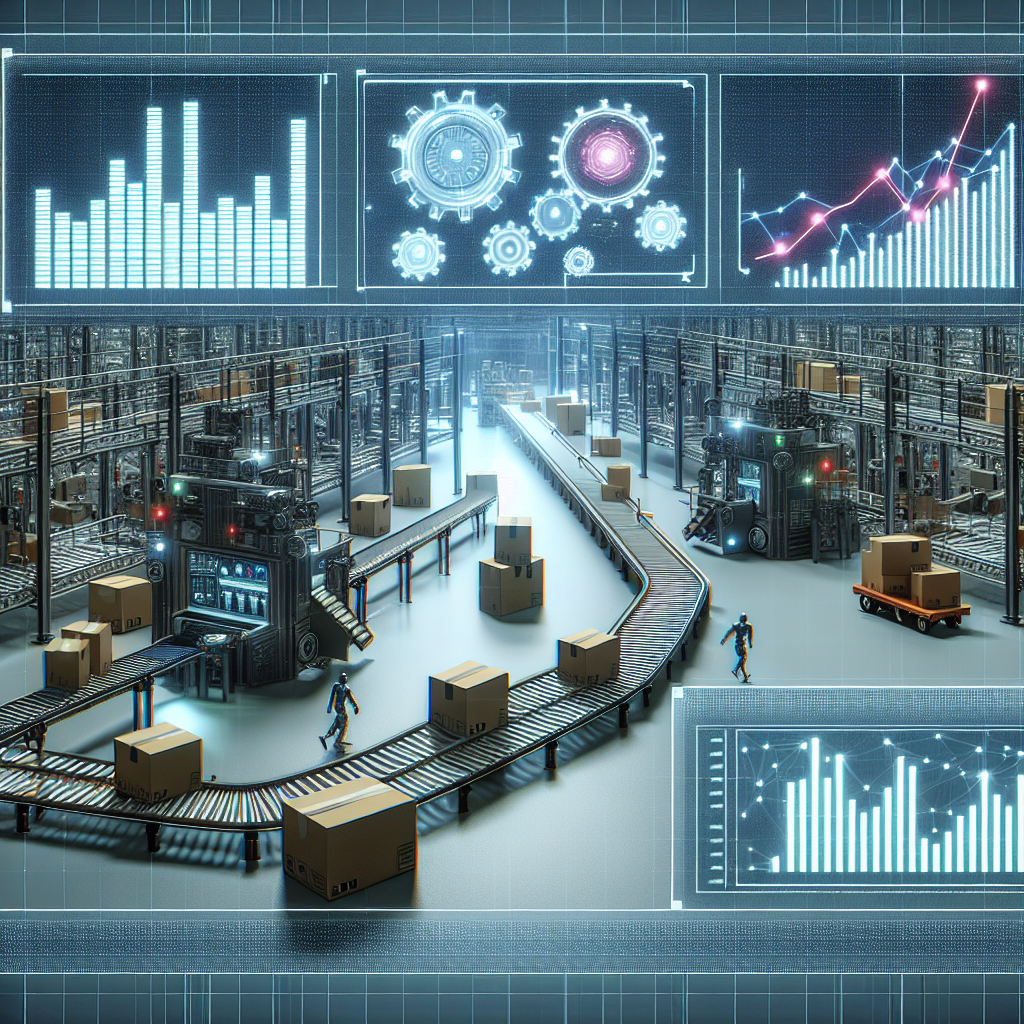
Artificial intelligence (AI) is revolutionizing various industries, and production planning is no exception. With the ability to analyze vast amounts of data and make real-time decisions, AI is transforming the way companies plan and manage their production processes. In this article, we will explore the impact of AI on production planning and how it is reshaping the manufacturing landscape.
Improved forecasting and demand planning
One of the key areas where AI is making a significant impact on production planning is in forecasting and demand planning. Traditionally, companies relied on historical data and manual processes to predict future demand and plan their production schedules. However, these methods were often inaccurate and time-consuming.
AI, on the other hand, can analyze large volumes of data from various sources, such as sales data, market trends, and customer behavior, to make more accurate and timely demand forecasts. By using machine learning algorithms, AI can identify patterns and trends in the data to predict demand more effectively, helping companies optimize their production schedules and inventory levels.
Optimized production schedules
AI is also helping companies optimize their production schedules by streamlining processes and reducing inefficiencies. By using AI-powered algorithms, companies can analyze production data in real-time to identify bottlenecks, optimize resource allocation, and minimize downtime. This allows companies to improve production efficiency, reduce costs, and increase overall productivity.
AI can also help companies adjust production schedules in real-time based on changing market conditions or unexpected events, such as machine breakdowns or supply chain disruptions. By using predictive analytics and AI-powered algorithms, companies can make more informed decisions and adapt quickly to changing circumstances, ensuring that production schedules are always optimized for maximum efficiency.
Enhanced supply chain management
Another area where AI is making a significant impact on production planning is in supply chain management. AI-powered algorithms can analyze data from various sources, such as suppliers, logistics providers, and inventory levels, to optimize supply chain processes and reduce lead times. This allows companies to improve inventory management, reduce costs, and increase overall supply chain efficiency.
AI can also help companies identify potential risks and vulnerabilities in the supply chain, such as supplier delays or quality issues, and take proactive measures to mitigate them. By using AI-powered algorithms to analyze data and predict potential disruptions, companies can better manage their supply chain and ensure that production schedules are not affected by unforeseen events.
Improved product quality
AI is also helping companies improve product quality by identifying defects and anomalies in the production process. By using AI-powered algorithms and computer vision technology, companies can detect defects in real-time and take corrective action before products are shipped to customers. This not only helps companies reduce waste and rework but also improves customer satisfaction and loyalty.
AI can also help companies optimize quality control processes by analyzing data from various sources, such as production sensors and inspection systems, to identify patterns and trends that may indicate potential quality issues. By using AI-powered algorithms to predict quality defects before they occur, companies can proactively address them and ensure that products meet the highest quality standards.
Frequently Asked Questions (FAQs)
Q: How is AI different from traditional production planning methods?
A: AI uses machine learning algorithms to analyze large volumes of data and make real-time decisions, while traditional methods rely on historical data and manual processes. AI can identify patterns and trends in the data to predict demand more effectively and optimize production schedules for maximum efficiency.
Q: How can AI help companies optimize production schedules?
A: AI can analyze production data in real-time to identify bottlenecks, optimize resource allocation, and minimize downtime. By using predictive analytics and AI-powered algorithms, companies can make more informed decisions and adapt quickly to changing circumstances, ensuring that production schedules are always optimized for maximum efficiency.
Q: How can AI improve supply chain management?
A: AI-powered algorithms can analyze data from various sources, such as suppliers, logistics providers, and inventory levels, to optimize supply chain processes and reduce lead times. AI can also help companies identify potential risks and vulnerabilities in the supply chain and take proactive measures to mitigate them.
Q: How can AI help companies improve product quality?
A: AI can detect defects and anomalies in the production process in real-time using computer vision technology. By analyzing data from production sensors and inspection systems, AI can identify patterns and trends that may indicate potential quality issues and help companies proactively address them to ensure products meet the highest quality standards.
In conclusion, AI is revolutionizing production planning by improving forecasting and demand planning, optimizing production schedules, enhancing supply chain management, and improving product quality. By leveraging AI-powered algorithms and machine learning technology, companies can make more informed decisions, adapt quickly to changing circumstances, and optimize their production processes for maximum efficiency. As AI continues to evolve, its impact on production planning will only continue to grow, reshaping the manufacturing landscape and driving innovation in the industry.