
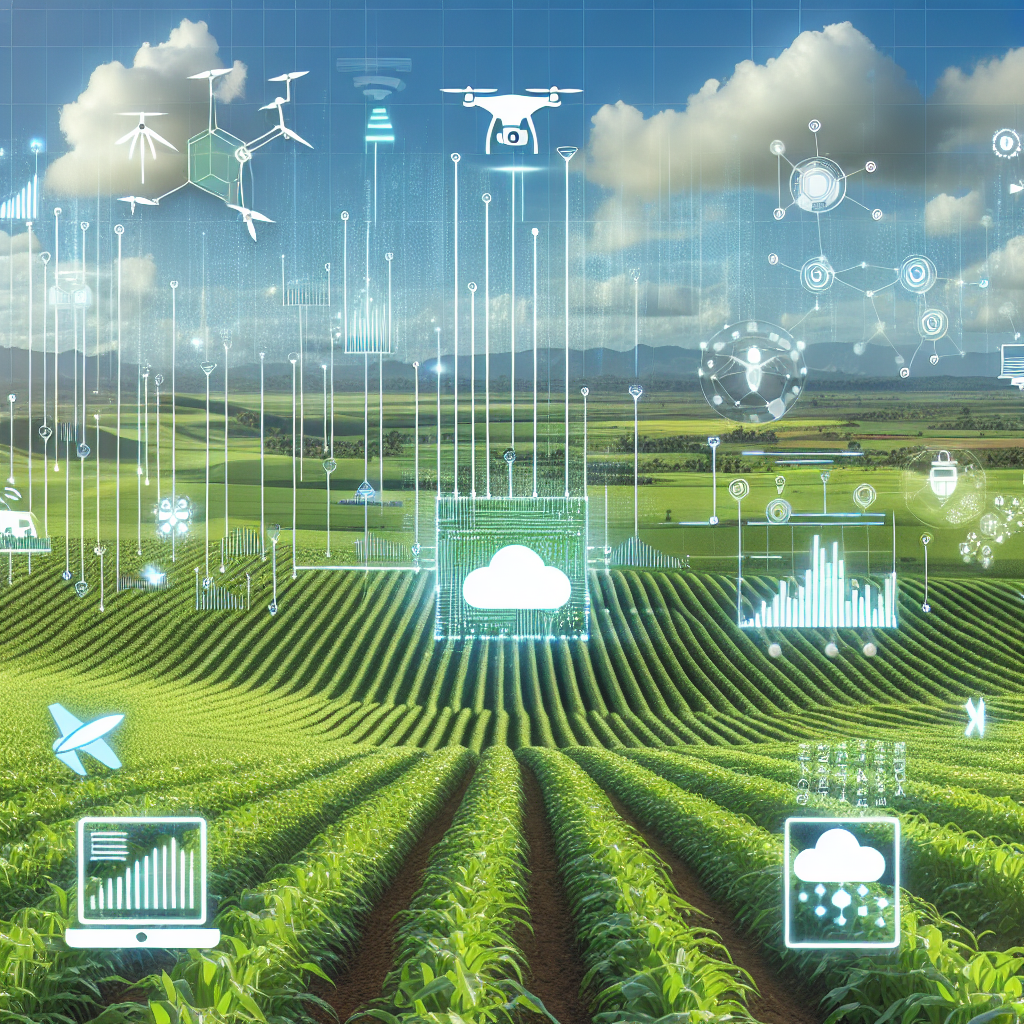
AI Solutions for Improving Agricultural Practices
In recent years, there has been a growing interest in using artificial intelligence (AI) solutions to improve agricultural practices. With the increasing demand for food production to feed a growing global population, farmers are turning to AI technology to help them optimize their operations, increase crop yields, and reduce costs. From precision farming to crop monitoring, AI is revolutionizing the way farmers work and bringing significant benefits to the agriculture industry.
One of the key ways AI is being used in agriculture is through precision farming. Precision farming involves using technology to analyze data and make decisions about crop management in real-time. AI algorithms can process large amounts of data collected from sensors, drones, and satellites to provide farmers with insights into soil health, crop growth, and pest infestations. By analyzing this data, farmers can make informed decisions about when to plant, irrigate, fertilize, and harvest their crops, leading to higher yields and reduced waste.
Another area where AI is making a significant impact is in crop monitoring. AI-powered drones equipped with cameras and sensors can fly over fields to capture images and collect data on crop health and growth. By analyzing these images, AI algorithms can identify areas of stress, disease, or pest infestations in crops, allowing farmers to take action quickly to prevent crop loss. This real-time monitoring enables farmers to make informed decisions about crop management, leading to healthier crops and higher yields.
AI is also being used to improve livestock management practices. By analyzing data collected from sensors attached to animals, AI algorithms can provide insights into animal health, behavior, and productivity. Farmers can use this information to monitor the health of their livestock, detect early signs of disease, and optimize feeding and breeding practices. This data-driven approach to livestock management can lead to healthier animals, higher productivity, and reduced costs for farmers.
In addition to precision farming, crop monitoring, and livestock management, AI is also being used in other areas of agriculture, such as predicting weather patterns, optimizing irrigation systems, and managing supply chains. These AI solutions are helping farmers improve efficiency, reduce waste, and increase profitability in a rapidly changing and competitive agricultural industry.
FAQs
Q: How is AI being used in precision farming?
A: AI is being used in precision farming to analyze data collected from sensors, drones, and satellites to provide insights into soil health, crop growth, and pest infestations. By analyzing this data, farmers can make informed decisions about when to plant, irrigate, fertilize, and harvest their crops, leading to higher yields and reduced waste.
Q: How is AI being used in crop monitoring?
A: AI-powered drones equipped with cameras and sensors can fly over fields to capture images and collect data on crop health and growth. By analyzing these images, AI algorithms can identify areas of stress, disease, or pest infestations in crops, allowing farmers to take action quickly to prevent crop loss. This real-time monitoring enables farmers to make informed decisions about crop management, leading to healthier crops and higher yields.
Q: How is AI being used in livestock management?
A: AI is being used in livestock management to analyze data collected from sensors attached to animals to provide insights into animal health, behavior, and productivity. Farmers can use this information to monitor the health of their livestock, detect early signs of disease, and optimize feeding and breeding practices. This data-driven approach to livestock management can lead to healthier animals, higher productivity, and reduced costs for farmers.
Q: What are the benefits of using AI in agriculture?
A: The benefits of using AI in agriculture include increased crop yields, reduced waste, improved efficiency, and higher profitability for farmers. By analyzing data and providing insights into soil health, crop growth, pest infestations, and livestock management, AI solutions help farmers make informed decisions that lead to healthier crops, higher productivity, and reduced costs.
Q: What are some examples of AI solutions in agriculture?
A: Some examples of AI solutions in agriculture include precision farming, crop monitoring, livestock management, weather prediction, irrigation optimization, and supply chain management. These AI solutions are helping farmers improve their operations, increase crop yields, and reduce costs in a rapidly changing and competitive agricultural industry.
In conclusion, AI solutions are revolutionizing the way farmers work and bringing significant benefits to the agriculture industry. From precision farming to crop monitoring to livestock management, AI is helping farmers optimize their operations, increase crop yields, and reduce costs. By analyzing data and providing insights into soil health, crop growth, pest infestations, and livestock management, AI solutions are enabling farmers to make informed decisions that lead to healthier crops, higher productivity, and higher profitability. As technology continues to advance, AI will play an increasingly important role in shaping the future of agriculture and helping farmers meet the growing demand for food production in a sustainable and efficient manner.