
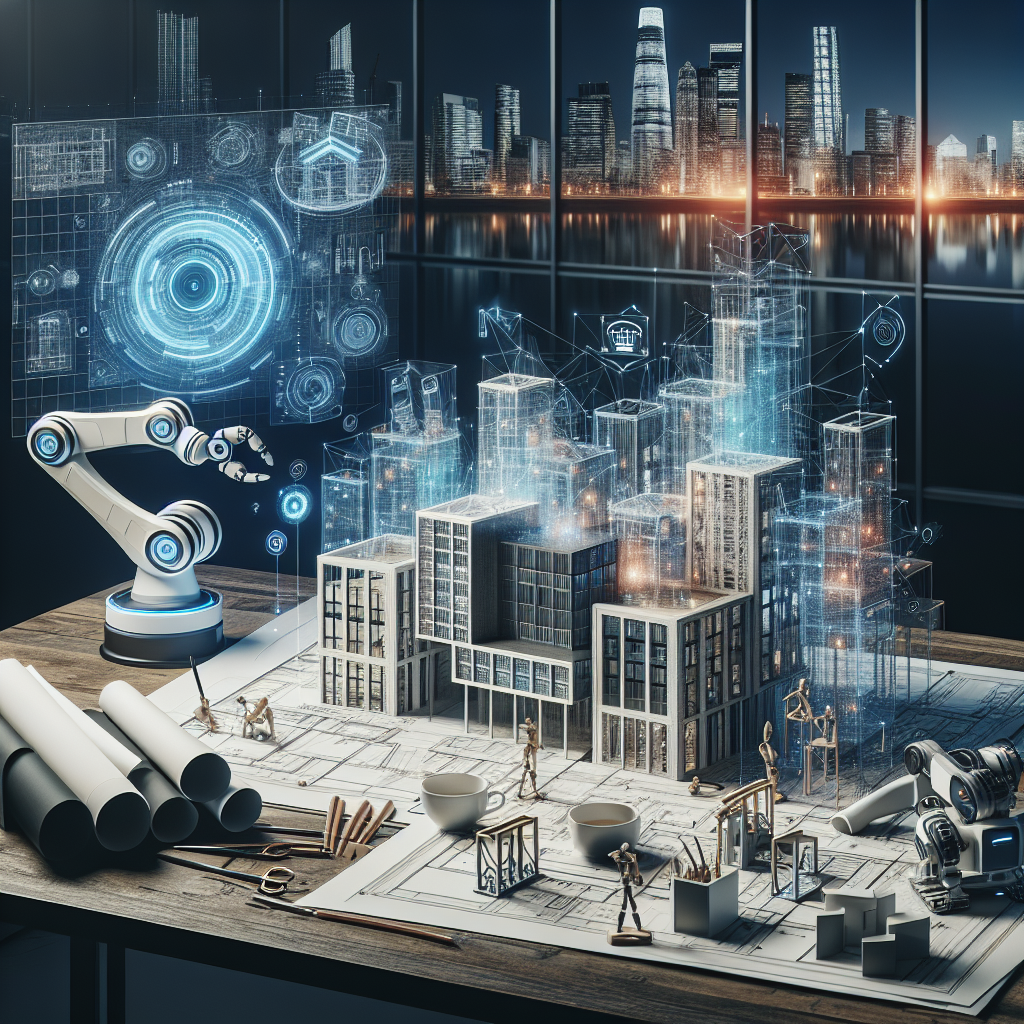
Artificial Intelligence (AI) is revolutionizing the field of architecture, changing the way architects work and design buildings. With the help of AI, architects can now create more efficient, sustainable, and innovative designs, saving time and resources in the process. In this article, we will explore how AI is transforming the architecture industry and the impact it is having on architects.
AI in Architecture
AI technology is being used in various ways in the field of architecture, from design and planning to construction and maintenance. One of the key areas where AI is making a significant impact is in the design phase. AI algorithms can analyze vast amounts of data and generate design options that are optimized for factors such as energy efficiency, cost, and aesthetics. This can help architects come up with more creative and efficient designs in a fraction of the time it would take using traditional methods.
AI is also being used to streamline the planning and construction process. For example, AI-powered software can help architects analyze building codes and regulations, ensuring that their designs comply with all relevant standards. AI can also be used to optimize construction schedules and budgets, helping architects and builders deliver projects on time and within budget.
Another area where AI is changing the way architects work is in sustainability. AI algorithms can analyze data on energy consumption, material usage, and environmental impact to help architects design buildings that are more sustainable and environmentally friendly. This can include using renewable energy sources, optimizing building orientation for natural light and ventilation, and selecting materials that are eco-friendly and energy-efficient.
AI is also being used in building maintenance and management. AI-powered systems can monitor building systems and detect issues before they become major problems. For example, AI can analyze data from sensors to predict when equipment is likely to fail and schedule maintenance before it breaks down. This can help architects and building owners save money on repairs and extend the lifespan of building systems.
FAQs
Q: How is AI used in the design process in architecture?
A: AI algorithms can analyze data on factors such as energy efficiency, cost, and aesthetics to generate design options that are optimized for these criteria. This can help architects come up with more creative and efficient designs in less time.
Q: How is AI being used in construction?
A: AI is being used in construction to optimize schedules and budgets, analyze building codes and regulations, and monitor building systems for maintenance purposes. This can help architects and builders deliver projects on time and within budget.
Q: How is AI helping architects design more sustainable buildings?
A: AI algorithms can analyze data on energy consumption, material usage, and environmental impact to help architects design buildings that are more sustainable and environmentally friendly. This can include using renewable energy sources, optimizing building orientation for natural light and ventilation, and selecting eco-friendly materials.
Q: How is AI changing the role of architects in the industry?
A: AI is enabling architects to work more efficiently and creatively, allowing them to focus on the design aspects of their projects while leaving the more mundane tasks to AI-powered systems. This can help architects deliver better designs in less time and with fewer resources.
In conclusion, AI is changing the way architects work in a variety of ways, from design and planning to construction and maintenance. By harnessing the power of AI technology, architects can create more efficient, sustainable, and innovative designs that meet the needs of their clients and the environment. As AI continues to evolve and improve, the role of architects in the industry will continue to evolve as well, leading to a more efficient and sustainable built environment for future generations.