
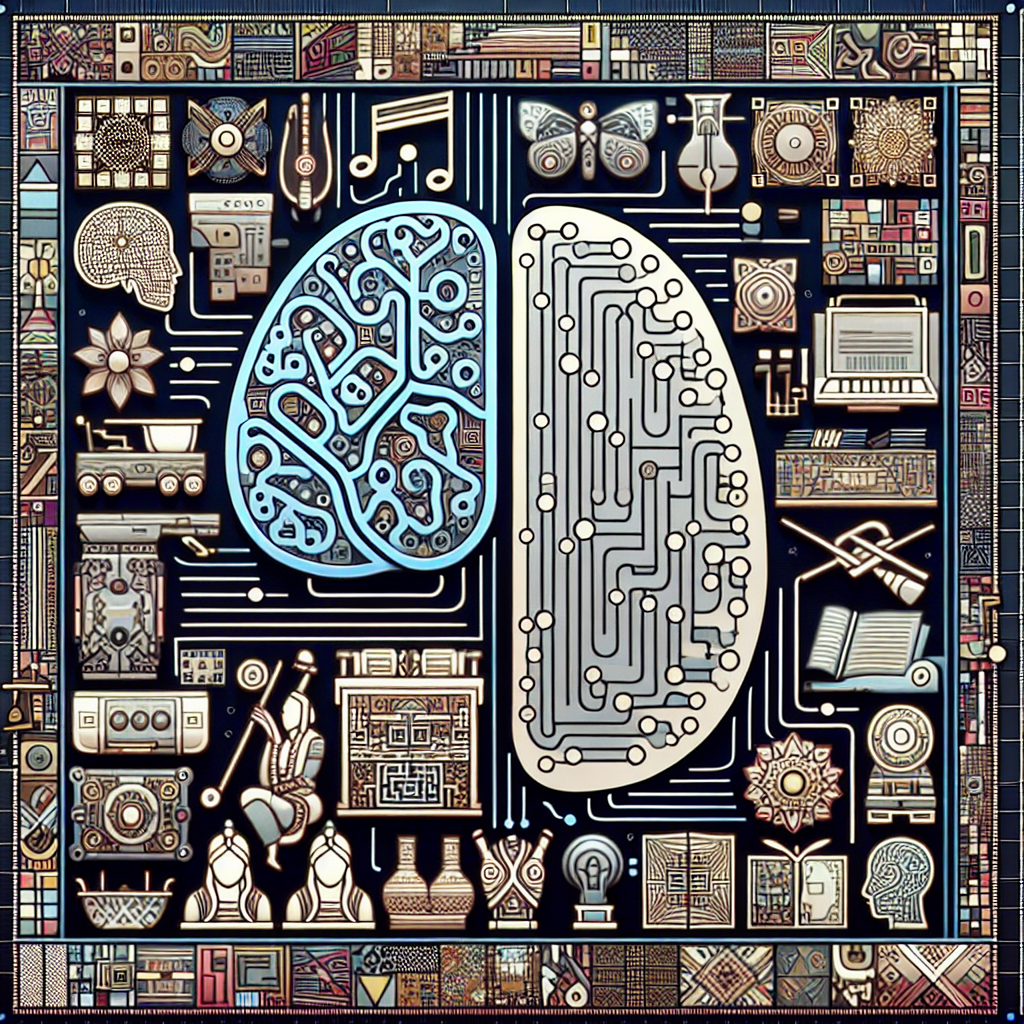
AI and Cultural Heritage: Preserving Traditions through Technology
Introduction
Cultural heritage is an essential part of human identity and history. It includes the tangible and intangible elements of a society’s traditions, beliefs, customs, and artifacts. However, in today’s rapidly changing world, many aspects of cultural heritage are at risk of being lost forever. The rise of globalization, urbanization, and technological advancements has led to the erosion of traditional practices and the neglect of historical artifacts.
Artificial Intelligence (AI) has emerged as a powerful tool in the preservation and promotion of cultural heritage. By harnessing the capabilities of AI, researchers, historians, and cultural institutions can digitize, analyze, and protect cultural artifacts and traditions in ways that were previously unimaginable. From language preservation to archaeological site mapping, AI is revolutionizing the way we interact with and preserve our cultural heritage.
The Role of AI in Cultural Heritage Preservation
AI technologies such as machine learning, computer vision, natural language processing, and data analytics are being used in a variety of ways to preserve cultural heritage. One of the most significant applications of AI in this field is in the digitization and preservation of artifacts. By using high-resolution imaging techniques and 3D modeling, researchers can create detailed digital replicas of historical objects and artworks. These digital copies can be used for research, education, and exhibition purposes, ensuring that the original artifacts are protected from damage or loss.
AI is also being used to analyze and interpret cultural artifacts in ways that were previously impossible. For example, researchers are using machine learning algorithms to decipher ancient scripts, languages, and symbols. This technology has the potential to unlock the secrets of ancient civilizations and shed light on previously unknown aspects of human history.
In addition to artifact preservation, AI is also being used to protect and document historical sites and monuments. By utilizing drones, satellite imaging, and LiDAR technology, researchers can create detailed maps and 3D models of archaeological sites. This data can be used to monitor the condition of the sites, plan conservation efforts, and create virtual tours for visitors.
Furthermore, AI is playing a crucial role in the promotion and dissemination of cultural heritage. Virtual reality (VR) and augmented reality (AR) technologies are being used to create immersive experiences that allow users to explore historical sites and artifacts in a virtual environment. Museums and cultural institutions are also using AI-powered chatbots and personalized recommendations to engage visitors and provide them with tailored information about exhibits.
Challenges and Limitations
While AI has the potential to revolutionize cultural heritage preservation, there are several challenges and limitations that need to be addressed. One of the primary concerns is the ethical implications of using AI in this field. For example, there are questions about the ownership and control of digitized cultural artifacts, as well as concerns about data privacy and security.
Another challenge is the accessibility of AI technologies to researchers and cultural institutions. Many AI tools and platforms are expensive and require specialized knowledge to operate. As a result, smaller organizations and developing countries may not have the resources or expertise to take advantage of these technologies.
Furthermore, there are limitations to the capabilities of AI in cultural heritage preservation. For example, AI algorithms may struggle to accurately interpret and analyze complex cultural artifacts or languages. Additionally, AI technologies are not immune to biases and errors, which can impact the accuracy of the data and interpretations produced.
FAQs
Q: How can AI help in the preservation of endangered languages?
A: AI technologies such as natural language processing and machine translation can be used to create digital archives of endangered languages. By analyzing and transcribing audio recordings, researchers can preserve and document these languages for future generations.
Q: Can AI help in the restoration of damaged cultural artifacts?
A: Yes, AI technologies such as computer vision and image processing can be used to analyze and repair damaged artifacts. By creating digital replicas and using algorithms to identify areas of damage, researchers can develop restoration plans and techniques.
Q: How can AI be used to promote cultural heritage to a wider audience?
A: AI-powered technologies such as virtual reality, augmented reality, and chatbots can create immersive and interactive experiences that engage users and provide them with information about cultural heritage. These tools can be used to reach a global audience and promote cultural awareness.
Q: Are there any ethical considerations when using AI in cultural heritage preservation?
A: Yes, there are several ethical considerations to be aware of when using AI in this field. These include issues related to data privacy, ownership of digitized artifacts, biases in algorithms, and the impact on local communities. It is important for researchers and cultural institutions to address these concerns and ensure that AI technologies are used responsibly.
Conclusion
AI has the potential to revolutionize the way we preserve, protect, and promote cultural heritage. By harnessing the power of machine learning, computer vision, and data analytics, researchers and cultural institutions can digitize artifacts, analyze languages, and document historical sites in ways that were previously impossible. While there are challenges and limitations to using AI in this field, the benefits far outweigh the drawbacks. By leveraging AI technologies, we can ensure that our cultural heritage is preserved for future generations and that the traditions and beliefs of our ancestors continue to be celebrated and cherished.