
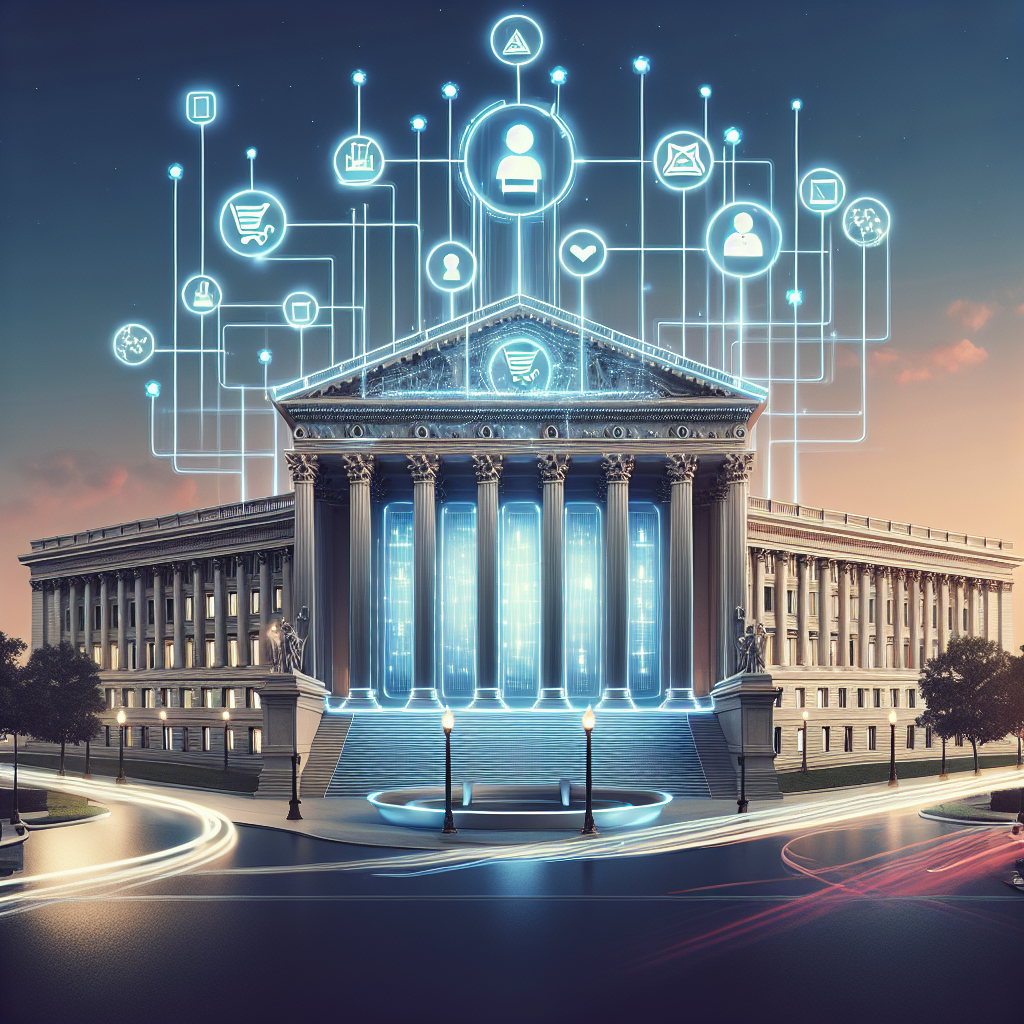
Enhancing Government Procurement with AI Technology
Government procurement is a complex and time-consuming process that involves the purchase of goods and services by government agencies. It is governed by a set of rules and regulations to ensure transparency, competition, and fairness in the procurement process. However, traditional procurement methods can be inefficient and prone to human error, leading to delays, cost overruns, and inefficiencies.
Artificial Intelligence (AI) technology has the potential to revolutionize government procurement by streamlining processes, improving decision-making, and reducing costs. AI can automate repetitive tasks, analyze data to identify patterns and trends, and provide insights to help procurement professionals make informed decisions. In this article, we will explore how AI technology can enhance government procurement and the benefits it can bring to government agencies.
Benefits of AI in Government Procurement
1. Streamlined Processes: AI technology can automate routine tasks such as data entry, document processing, and contract management, allowing procurement professionals to focus on more strategic activities. This can help reduce the time and effort required to complete procurement processes, leading to faster turnaround times and improved efficiency.
2. Improved Decision-Making: AI can analyze large volumes of data to identify patterns and trends that may not be apparent to human analysts. This can help procurement professionals make informed decisions based on data-driven insights, leading to better outcomes and reduced risks.
3. Cost Savings: By automating tasks and improving decision-making, AI technology can help government agencies reduce costs associated with procurement processes. This can lead to savings in time, resources, and expenses, allowing agencies to allocate resources more effectively.
4. Enhanced Transparency: AI technology can provide a transparent and auditable record of procurement activities, ensuring compliance with regulations and preventing fraud and corruption. This can help build trust with stakeholders and enhance the credibility of government procurement processes.
5. Increased Competition: AI can help identify potential suppliers and evaluate their capabilities, enabling government agencies to expand their supplier base and promote competition in the procurement process. This can lead to better quality goods and services at competitive prices.
6. Predictive Analytics: AI can use predictive analytics to forecast demand, identify risks, and optimize procurement strategies. By analyzing historical data and trends, AI technology can help government agencies anticipate future needs and make proactive decisions to address them.
Examples of AI Applications in Government Procurement
1. Automated Contract Management: AI can automate the process of managing contracts by extracting key information from documents, tracking deliverables and deadlines, and monitoring compliance with terms and conditions. This can help government agencies improve contract management efficiency and reduce the risk of non-compliance.
2. Supplier Evaluation: AI can analyze supplier performance data, financial information, and market trends to evaluate the capabilities and reliability of potential suppliers. This can help government agencies identify high-quality suppliers and reduce the risk of poor performance or fraud.
3. Demand Forecasting: AI can use predictive analytics to forecast demand for goods and services, enabling government agencies to plan procurement activities more effectively. By analyzing historical data and trends, AI technology can help agencies anticipate future needs and avoid shortages or excess inventory.
4. Risk Management: AI can analyze data to identify potential risks in the procurement process, such as supplier non-compliance, market fluctuations, or legal issues. By providing early warnings and insights, AI technology can help government agencies mitigate risks and protect against potential disruptions.
5. Price Optimization: AI can analyze pricing data, market trends, and supplier quotes to optimize procurement decisions and negotiate better prices. By identifying cost-saving opportunities and analyzing pricing strategies, AI technology can help government agencies reduce costs and improve value for money.
FAQs
Q: How can AI technology improve the efficiency of government procurement processes?
A: AI technology can automate routine tasks, analyze data to provide insights, and streamline decision-making in government procurement processes. By reducing manual effort, improving decision-making, and optimizing processes, AI can enhance the efficiency of procurement activities.
Q: Is AI technology secure and compliant with regulations in government procurement?
A: AI technology can be designed to comply with security and privacy regulations in government procurement. By implementing robust security measures, encryption protocols, and access controls, AI systems can ensure the confidentiality, integrity, and availability of data in compliance with regulations.
Q: How can government agencies implement AI technology in procurement?
A: Government agencies can implement AI technology in procurement by identifying use cases, selecting appropriate AI solutions, training staff, and integrating AI systems with existing processes. By partnering with AI vendors, consultants, or experts, agencies can develop and deploy AI solutions tailored to their specific needs.
Q: What are the challenges of implementing AI technology in government procurement?
A: Challenges of implementing AI technology in government procurement include data privacy concerns, lack of technical expertise, resistance to change, and budget constraints. By addressing these challenges through training, stakeholder engagement, and collaboration, agencies can overcome barriers to AI adoption and realize the benefits of AI in procurement.
In conclusion, AI technology has the potential to revolutionize government procurement by streamlining processes, improving decision-making, and reducing costs. By automating tasks, analyzing data, and providing insights, AI can enhance the efficiency, transparency, and competitiveness of procurement activities. Government agencies that embrace AI technology in procurement can improve their performance, reduce risks, and deliver better value for money to taxpayers.