
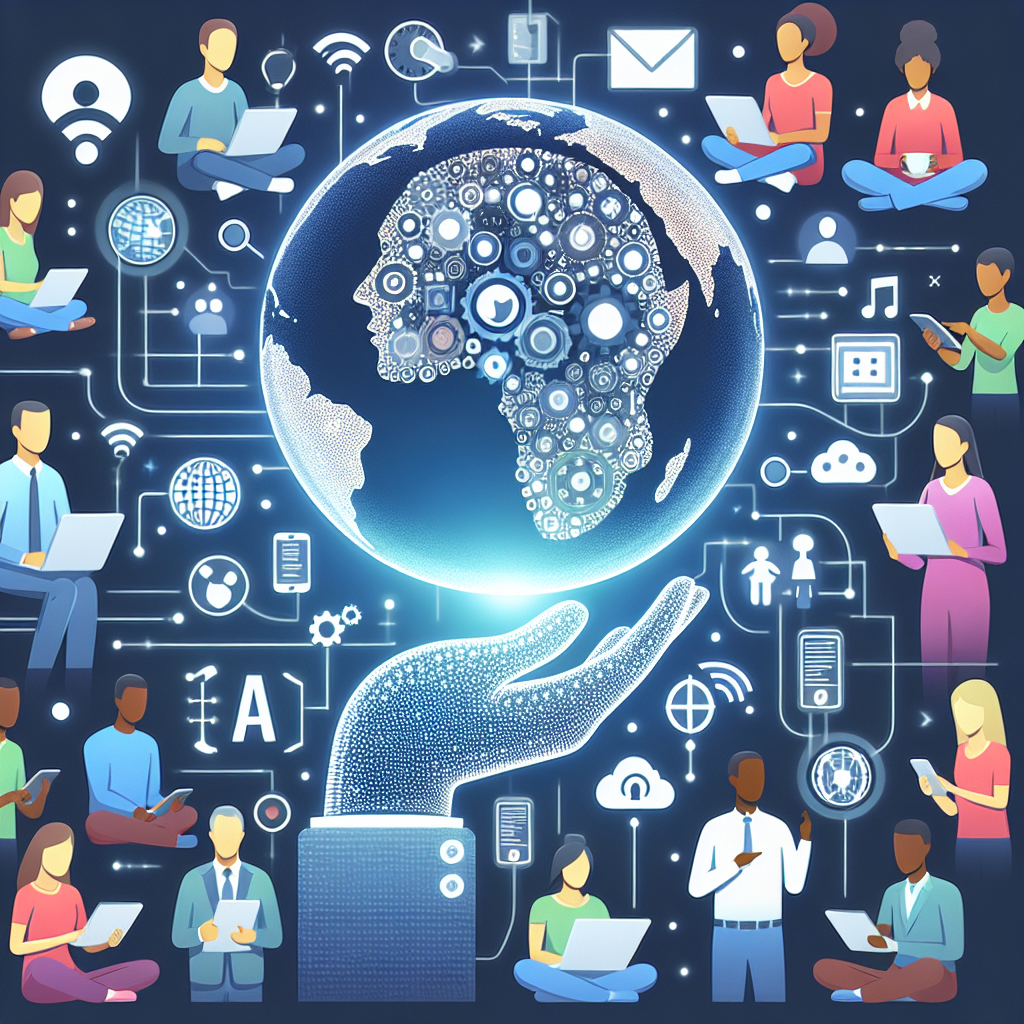
In recent years, the rise of artificial intelligence (AI) has transformed various industries and sectors, offering innovative solutions to complex problems. From healthcare to education, AI has the potential to revolutionize the way we approach social issues and create positive social impact. AI for Good is a concept that aims to harness the power of AI to address global challenges and improve the lives of people around the world.
Democratizing Technology for Social Impact
One of the key aspects of AI for Good is democratizing technology, making it accessible to a wider audience and empowering individuals and organizations to use AI for social good. This involves breaking down barriers to entry, such as cost and technical expertise, and providing tools and resources that enable anyone to leverage AI for positive impact.
By democratizing technology, AI for Good initiatives can reach a broader range of stakeholders, including non-profit organizations, social enterprises, and grassroots movements. This democratization allows for greater collaboration and innovation, as diverse voices and perspectives come together to tackle complex social issues.
AI for Good projects span a wide range of areas, from healthcare and education to environmental conservation and disaster relief. For example, AI-powered healthcare solutions can help improve diagnosis and treatment outcomes, while AI-driven educational platforms can personalize learning experiences for students and teachers. In the environmental sector, AI can be used to monitor and predict natural disasters, as well as optimize resource management and conservation efforts.
By democratizing technology and promoting collaboration, AI for Good initiatives have the potential to create lasting social impact and drive positive change on a global scale. These initiatives not only harness the power of AI for social good but also empower individuals and communities to be agents of change in their own right.
Challenges and Opportunities
While AI for Good holds great promise, it also faces a number of challenges. One of the main concerns is the ethical and responsible use of AI, particularly in sensitive areas such as healthcare and education. Ensuring that AI algorithms are fair, transparent, and unbiased is crucial to building trust and credibility in AI for Good initiatives.
Another challenge is the digital divide, which refers to the gap between those who have access to technology and those who do not. In order to truly democratize technology, efforts must be made to bridge this divide and ensure that marginalized communities and individuals have equal access to AI tools and resources.
Despite these challenges, AI for Good presents numerous opportunities for social impact and innovation. By leveraging AI technologies, organizations can enhance their capacity to address complex social issues and improve the effectiveness of their programs and interventions. AI for Good initiatives can also foster collaboration and partnerships across sectors, leading to greater impact and sustainability.
Frequently Asked Questions
Q: What are some examples of AI for Good initiatives?
A: Some examples of AI for Good initiatives include healthcare projects that use AI to improve diagnosis and treatment outcomes, educational platforms that leverage AI to personalize learning experiences, and environmental projects that monitor and predict natural disasters using AI algorithms.
Q: How can I get involved in AI for Good?
A: There are many ways to get involved in AI for Good, such as volunteering with organizations that are working on AI-driven social impact projects, participating in hackathons and competitions focused on AI for Good, or pursuing a career in AI and using your skills to make a positive difference in the world.
Q: What are some ethical considerations when using AI for social impact?
A: Ethical considerations when using AI for social impact include ensuring that AI algorithms are fair, transparent, and unbiased, protecting user privacy and data security, and addressing potential risks and unintended consequences of AI technologies. It is important to prioritize ethical considerations in AI for Good initiatives to build trust and credibility with stakeholders.
Q: How can AI for Good initiatives address the digital divide?
A: AI for Good initiatives can address the digital divide by providing access to AI tools and resources to marginalized communities and individuals, offering training and support to build technical skills and capacity, and fostering partnerships and collaborations with organizations that are working to bridge the digital divide. By prioritizing inclusivity and accessibility, AI for Good initiatives can ensure that everyone has the opportunity to benefit from AI technologies.
In conclusion, AI for Good is a powerful concept that has the potential to democratize technology and drive positive social impact. By leveraging AI technologies and promoting collaboration and innovation, AI for Good initiatives can address global challenges and create lasting change. By addressing ethical considerations, bridging the digital divide, and prioritizing inclusivity, AI for Good initiatives can empower individuals and organizations to use AI for social good and make a difference in the world.