
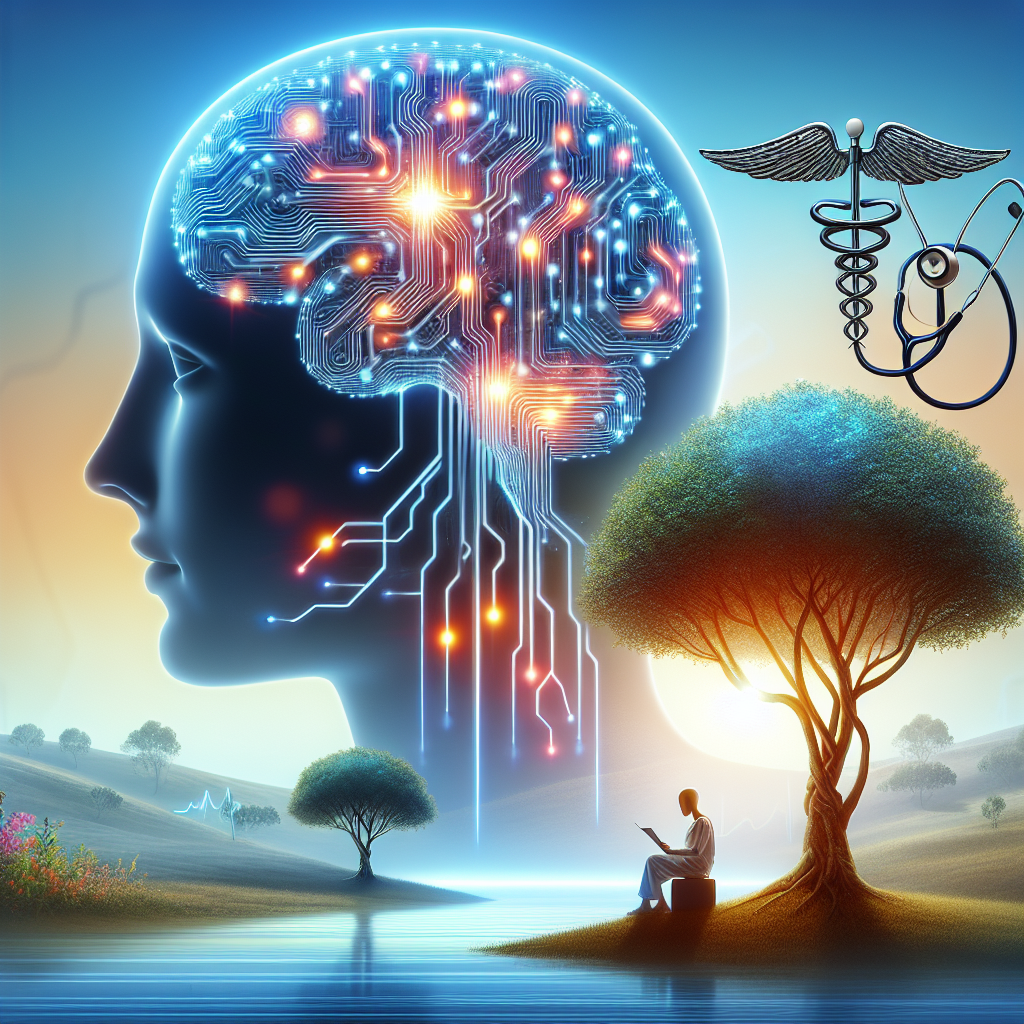
Artificial intelligence (AI) has the potential to revolutionize the way mental health care is delivered. With the rise of technology and the increasing demand for mental health services, AI solutions are being developed to improve access, efficiency, and effectiveness of mental health care. From early detection of mental health issues to personalized treatment plans, AI is transforming the landscape of mental health care.
AI Solutions for Improving Mental Health Care
1. Early Detection and Diagnosis:
One of the key benefits of AI in mental health care is its ability to detect and diagnose mental health issues at an early stage. AI algorithms can analyze data from various sources such as social media, wearable devices, and electronic health records to identify patterns and indicators of mental health conditions. This early detection can lead to timely intervention and treatment, preventing the progression of mental health disorders.
2. Personalized Treatment Plans:
AI can also be used to develop personalized treatment plans for individuals with mental health issues. By analyzing a patient’s data, including their symptoms, medical history, and genetic information, AI algorithms can recommend tailored treatment options that are most likely to be effective for that particular individual. This personalized approach can improve the outcomes of mental health treatment and reduce the trial-and-error process often associated with finding the right treatment.
3. Telehealth and Virtual Therapy:
AI-powered chatbots and virtual assistants are being used to provide mental health support and counseling to individuals remotely. These AI-driven platforms can offer 24/7 support, allowing individuals to access mental health care whenever they need it. Virtual therapy sessions can also be conducted using AI technology, providing a convenient and cost-effective alternative to traditional in-person therapy.
4. Monitoring and Predicting Mental Health Trends:
AI can analyze large datasets to monitor and predict mental health trends at a population level. By tracking social media posts, search queries, and other online behavior, AI algorithms can identify patterns and trends related to mental health issues. This data can be used to inform public health interventions and policies, as well as to allocate resources more effectively to address mental health needs in a timely manner.
FAQs about AI Solutions for Improving Mental Health Care
Q: Is AI replacing human therapists in mental health care?
A: AI is not meant to replace human therapists, but rather to augment and support their work. AI can provide valuable insights, recommendations, and support to therapists, allowing them to deliver more personalized and effective care to their patients.
Q: How secure is the data collected and analyzed by AI algorithms in mental health care?
A: Data security and privacy are top priorities in mental health care. AI solutions must comply with strict regulations and guidelines to ensure the confidentiality and security of patient data. Encryption, anonymization, and other security measures are used to protect sensitive information.
Q: Can AI accurately diagnose mental health conditions?
A: AI algorithms can assist in the diagnosis of mental health conditions by analyzing data and identifying patterns associated with specific disorders. While AI can provide valuable insights, a final diagnosis should always be made by a qualified mental health professional based on a comprehensive assessment.
Q: Are AI-powered chatbots effective in providing mental health support?
A: AI-powered chatbots can be effective in providing mental health support, especially for individuals who may not have access to traditional therapy. These chatbots can offer guidance, resources, and coping strategies to individuals in need of support, but they are not a substitute for professional therapy.
Q: How can individuals access AI-powered mental health care services?
A: AI-powered mental health care services can be accessed through various platforms, including mobile apps, websites, and telehealth services. Individuals can download apps or visit websites that offer AI-driven mental health support, or they can connect with virtual therapists and counselors through telehealth platforms.
In conclusion, AI solutions are transforming the field of mental health care by improving access, efficiency, and effectiveness of services. From early detection and personalized treatment plans to telehealth and virtual therapy, AI is revolutionizing the way mental health care is delivered. As AI technology continues to advance, it holds great promise for improving mental health outcomes and enhancing the overall well-being of individuals.