
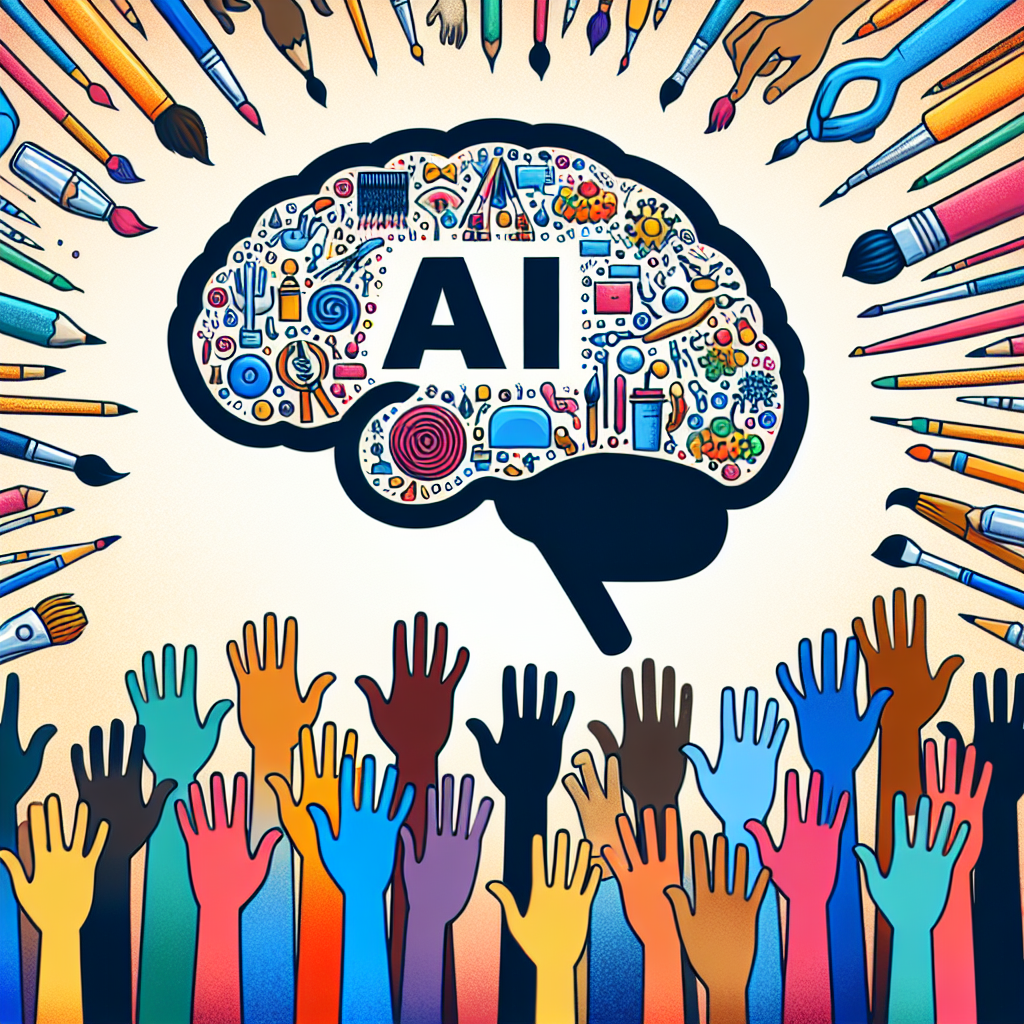
AI and Creative Empowerment: Giving Voice to Marginalized Communities
Artificial Intelligence (AI) has been a topic of much discussion in recent years, with its potential to revolutionize a wide range of industries and sectors. One area where AI is making a significant impact is in the realm of creative empowerment, particularly in giving voice to marginalized communities. By harnessing the power of AI, individuals who have traditionally been overlooked or silenced are now able to tell their stories, express their creativity, and have their voices heard on a global scale.
AI technology has the ability to analyze vast amounts of data and generate insights that can help to shed light on the experiences and perspectives of marginalized communities. This data can then be used to create compelling narratives, art, music, and other forms of creative expression that can challenge stereotypes, promote understanding, and foster empathy. Through AI-powered tools and platforms, marginalized individuals are able to connect with audiences around the world, share their stories, and engage in meaningful dialogue with others who may have had similar experiences.
One example of how AI is being used to empower marginalized communities is through the creation of virtual reality experiences that allow users to step into the shoes of someone from a different background or culture. By immersing themselves in these virtual worlds, users can gain a deeper understanding of the challenges and obstacles faced by marginalized individuals, and develop a greater sense of empathy and compassion for their struggles.
AI is also being used to create personalized content that speaks directly to the experiences and interests of marginalized communities. By analyzing user data and preferences, AI algorithms can generate content that is tailored to the specific needs and desires of individuals who may have been underserved by traditional media and entertainment platforms. This personalized content can help to amplify the voices of marginalized communities, highlight their unique perspectives, and provide a platform for their stories to be shared with a wider audience.
In addition to creating content, AI is also being used to empower marginalized communities through the development of tools and resources that can help them to express themselves creatively. For example, AI-powered writing assistants can help individuals who may struggle with literacy or language barriers to communicate more effectively and share their ideas with others. Similarly, AI-powered music composition tools can enable individuals who may not have access to traditional music education to create and share their own original compositions with the world.
Overall, AI has the potential to revolutionize the way that marginalized communities are able to express themselves creatively and have their voices heard. By harnessing the power of AI technology, individuals who have been traditionally marginalized or silenced are now able to tell their stories, share their experiences, and connect with others in ways that were previously not possible. Through AI-powered tools, platforms, and resources, marginalized communities are able to break down barriers, challenge stereotypes, and promote understanding and empathy on a global scale.
FAQs:
Q: How is AI being used to empower marginalized communities in the creative realm?
A: AI is being used to analyze data, generate insights, and create personalized content that speaks to the experiences and interests of marginalized communities. Additionally, AI is being used to develop tools and resources that can help individuals to express themselves creatively, such as writing assistants and music composition tools.
Q: Can AI help to amplify the voices of marginalized communities?
A: Yes, AI has the potential to amplify the voices of marginalized communities by providing them with a platform to share their stories, connect with audiences around the world, and engage in meaningful dialogue with others who may have had similar experiences.
Q: How can AI-powered virtual reality experiences help to foster empathy and understanding for marginalized communities?
A: AI-powered virtual reality experiences allow users to step into the shoes of someone from a different background or culture, gaining a deeper understanding of their experiences and challenges. This can help to foster empathy and compassion for marginalized communities, promoting greater understanding and awareness of their struggles.
Q: What are some examples of AI-powered tools and platforms that are empowering marginalized communities?
A: Examples of AI-powered tools and platforms include personalized content generation algorithms, writing assistants, music composition tools, and virtual reality experiences that allow users to explore the perspectives and experiences of marginalized communities.
In conclusion, AI has the potential to revolutionize the way that marginalized communities are able to express themselves creatively and have their voices heard. By harnessing the power of AI technology, individuals who have been traditionally silenced or overlooked are now able to share their stories, connect with audiences, and promote understanding and empathy on a global scale. Through AI-powered tools, platforms, and resources, marginalized communities are able to break down barriers, challenge stereotypes, and create a more inclusive and equitable world for all.