
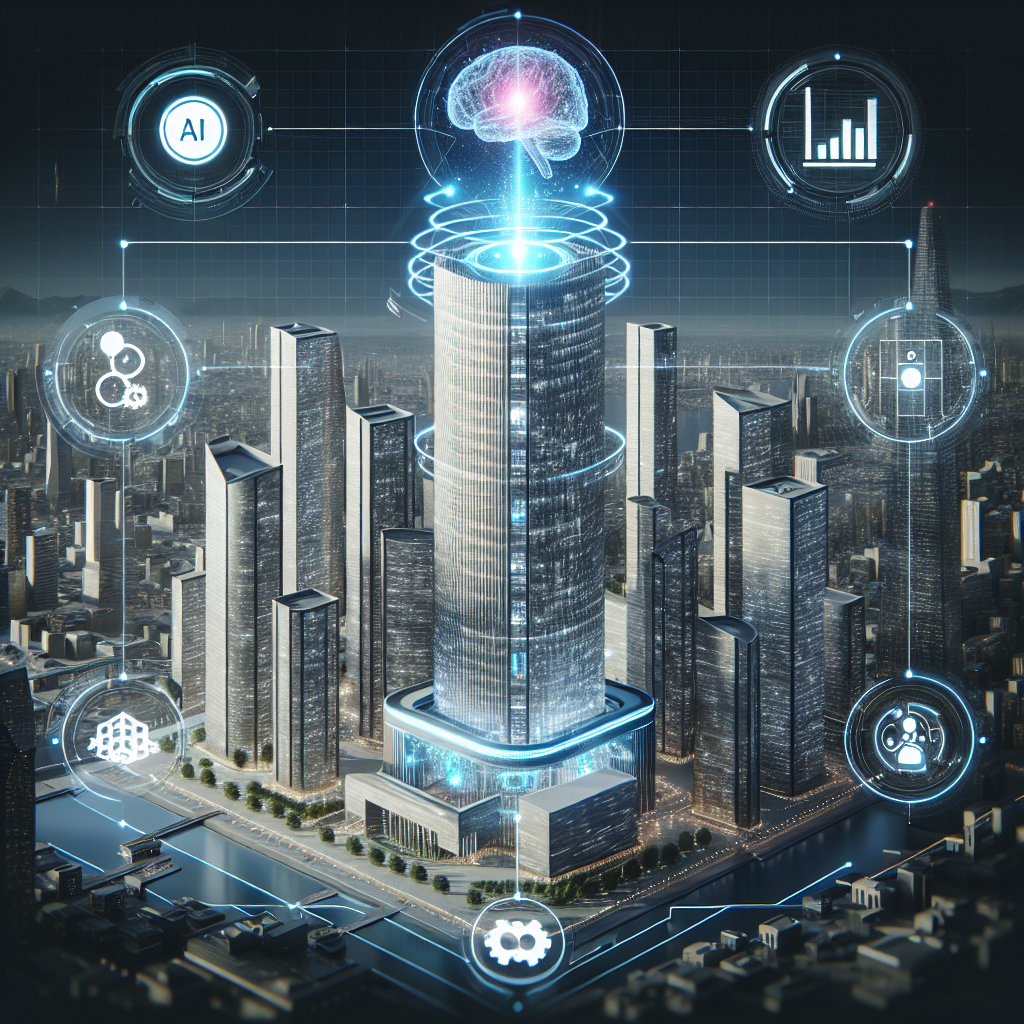
Artificial Intelligence (AI) has become an increasingly important tool in optimizing building performance in recent years. With the rise of smart buildings and the Internet of Things (IoT), AI is being used to collect and analyze data from various building systems to improve energy efficiency, reduce operating costs, and enhance occupant comfort. In this article, we will explore how AI is being used to optimize building performance and address some common questions about this emerging technology.
How AI is Used to Optimize Building Performance
AI is being used in various ways to optimize building performance, from predictive maintenance to energy management. Here are some of the key applications of AI in building optimization:
1. Predictive Maintenance: AI algorithms can analyze data from sensors installed in building systems to predict when equipment is likely to fail. By identifying potential issues before they occur, building managers can schedule maintenance proactively, reducing downtime and extending the lifespan of equipment.
2. Energy Management: AI can analyze data from energy meters, HVAC systems, lighting controls, and other building systems to optimize energy usage. By adjusting settings based on occupancy patterns, weather forecasts, and other factors, AI can help reduce energy consumption and lower utility bills.
3. Indoor Air Quality: AI can monitor indoor air quality in real-time and adjust ventilation systems to maintain healthy indoor environments. By detecting pollutants, allergens, and other contaminants, AI can help improve occupant health and productivity.
4. Occupant Comfort: AI can analyze data from sensors, thermostats, and other sources to optimize indoor temperature, lighting, and other factors for occupant comfort. By learning occupant preferences and adjusting settings accordingly, AI can create personalized environments that enhance productivity and well-being.
5. Space Utilization: AI can analyze data from occupancy sensors, access control systems, and other sources to optimize space utilization. By identifying underutilized areas and reallocating resources accordingly, AI can help maximize the efficiency of buildings and reduce operating costs.
Benefits of Using AI to Optimize Building Performance
There are several benefits to using AI to optimize building performance, including:
1. Increased Energy Efficiency: By analyzing data in real-time and adjusting settings accordingly, AI can help reduce energy consumption and lower utility bills. This not only saves money but also reduces the environmental impact of buildings.
2. Improved Comfort: AI can create personalized environments that meet the individual needs of occupants, enhancing comfort and well-being. By adjusting settings based on occupant preferences, AI can create optimal conditions for productivity and satisfaction.
3. Enhanced Maintenance: By predicting equipment failures before they occur, AI can help reduce downtime and maintenance costs. By scheduling maintenance proactively, building managers can avoid costly repairs and extend the lifespan of equipment.
4. Better Space Utilization: AI can optimize space utilization by analyzing occupancy patterns and reallocating resources accordingly. By identifying underutilized areas and making adjustments, AI can help maximize the efficiency of buildings and reduce operating costs.
Frequently Asked Questions About Using AI to Optimize Building Performance
Q: How does AI analyze data from building systems?
A: AI algorithms use machine learning techniques to analyze data from sensors, meters, and other sources. By identifying patterns and trends in the data, AI can make predictions and recommendations to optimize building performance.
Q: Is AI expensive to implement in buildings?
A: The cost of implementing AI in buildings can vary depending on the size and complexity of the project. However, the long-term benefits of using AI to optimize building performance often outweigh the initial investment.
Q: Can AI be used in existing buildings, or only in new construction?
A: AI can be used in both existing buildings and new construction projects. By retrofitting sensors and other devices, existing buildings can be transformed into smart buildings that benefit from AI optimization.
Q: How secure is AI in building systems?
A: Security is a critical consideration when implementing AI in building systems. By using encryption, authentication, and other cybersecurity measures, building managers can protect data and ensure the integrity of AI algorithms.
Q: What are some examples of AI applications in building optimization?
A: Some examples of AI applications in building optimization include predictive maintenance, energy management, indoor air quality monitoring, occupant comfort optimization, and space utilization analysis.
In conclusion, AI is a powerful tool for optimizing building performance, helping to increase energy efficiency, improve occupant comfort, enhance maintenance practices, and maximize space utilization. By leveraging AI algorithms to analyze data from building systems, managers can make informed decisions that lead to cost savings, environmental benefits, and enhanced occupant well-being. As the technology continues to evolve, we can expect to see even greater advancements in AI-driven building optimization in the years to come.