
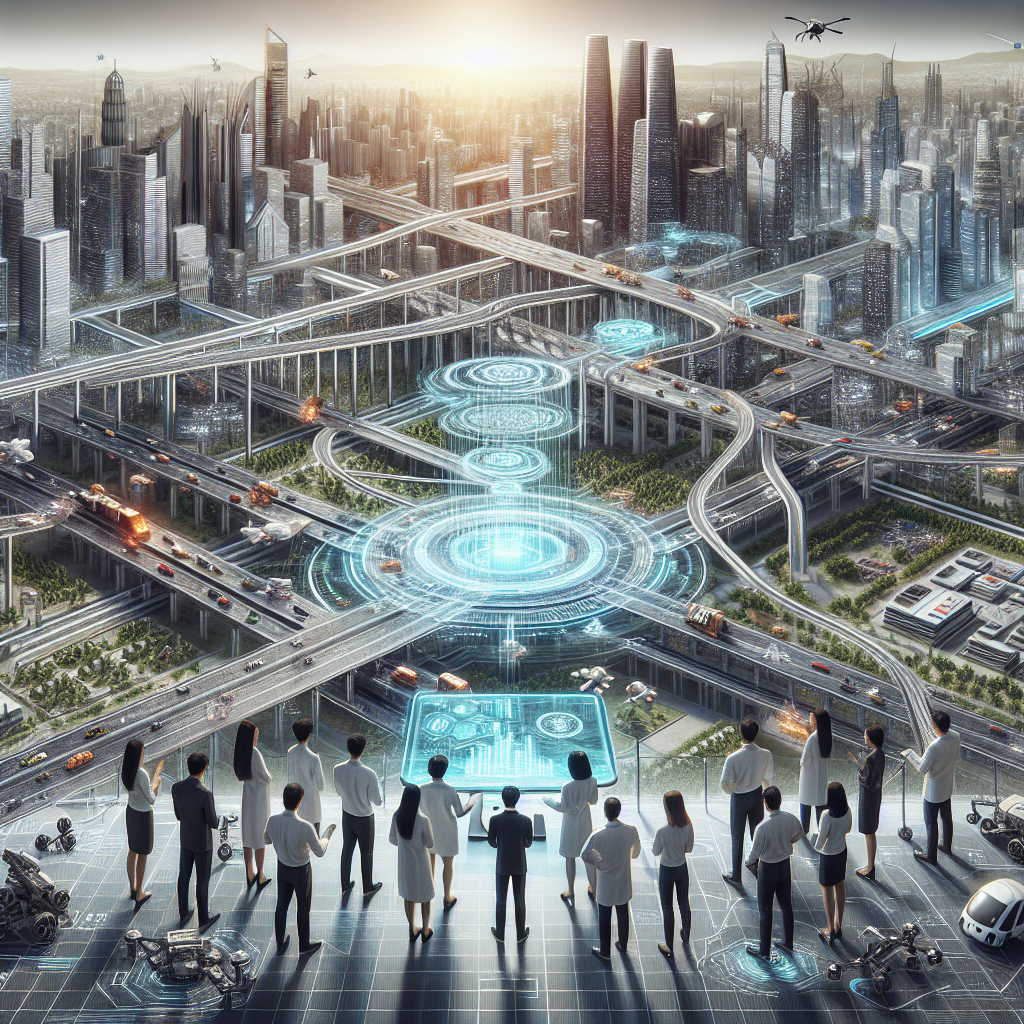
AI technology has been rapidly transforming various industries, and the public works and infrastructure maintenance sector is no exception. From optimizing maintenance schedules to predicting potential failures, AI has the potential to revolutionize how we manage our public infrastructure.
One of the key ways AI can improve public works and infrastructure maintenance is by enabling predictive maintenance. Traditional maintenance practices often rely on a fixed schedule or reactive approach, where equipment is repaired or replaced after it has already failed. This can lead to costly downtime and unexpected expenses.
AI, on the other hand, can analyze large amounts of data from sensors and other sources to predict when equipment is likely to fail. By monitoring factors such as temperature, vibration, and usage patterns, AI algorithms can identify patterns that indicate potential issues before they occur. This allows maintenance teams to address problems proactively, reducing downtime and extending the lifespan of infrastructure assets.
Another way AI can enhance public works and infrastructure maintenance is through optimization of maintenance schedules. With limited resources and competing priorities, it can be challenging for public works departments to prioritize maintenance tasks. AI can help by analyzing historical data, current conditions, and other relevant factors to recommend the most efficient maintenance schedule. By optimizing maintenance activities, AI can help public works departments maximize the impact of their limited resources and ensure that critical infrastructure is maintained in a timely manner.
Furthermore, AI can also improve the efficiency of maintenance operations by enabling better resource allocation. By analyzing data on equipment usage, maintenance history, and other factors, AI algorithms can help maintenance teams prioritize tasks and allocate resources more effectively. This can lead to reduced downtime, improved asset utilization, and cost savings for public works departments.
In addition to predictive maintenance, optimized maintenance schedules, and resource allocation, AI can also enhance public works and infrastructure maintenance through the use of drones and other advanced technologies. Drones equipped with AI-powered image recognition software can be used to inspect infrastructure assets such as bridges, roads, and buildings, allowing maintenance teams to identify potential issues without the need for costly and time-consuming manual inspections. Similarly, AI can be used to analyze data from IoT sensors to monitor the condition of infrastructure assets in real-time, providing valuable insights that can inform maintenance decisions.
Overall, leveraging AI for public works and infrastructure maintenance has the potential to revolutionize how we manage our critical infrastructure assets. By enabling predictive maintenance, optimizing maintenance schedules, improving resource allocation, and utilizing advanced technologies such as drones and IoT sensors, AI can help public works departments ensure the safety, reliability, and longevity of our infrastructure.
FAQs:
Q: How can AI help with predictive maintenance in public works and infrastructure maintenance?
A: AI can analyze data from sensors and other sources to predict when equipment is likely to fail. By monitoring factors such as temperature, vibration, and usage patterns, AI algorithms can identify patterns that indicate potential issues before they occur.
Q: How can AI optimize maintenance schedules in public works and infrastructure maintenance?
A: AI can analyze historical data, current conditions, and other relevant factors to recommend the most efficient maintenance schedule. By optimizing maintenance activities, AI can help public works departments maximize the impact of their limited resources and ensure that critical infrastructure is maintained in a timely manner.
Q: How can AI improve resource allocation in public works and infrastructure maintenance?
A: By analyzing data on equipment usage, maintenance history, and other factors, AI algorithms can help maintenance teams prioritize tasks and allocate resources more effectively. This can lead to reduced downtime, improved asset utilization, and cost savings for public works departments.
Q: What advanced technologies can AI leverage for public works and infrastructure maintenance?
A: AI can utilize drones equipped with image recognition software to inspect infrastructure assets, as well as analyze data from IoT sensors to monitor the condition of assets in real-time. These technologies can provide valuable insights that inform maintenance decisions and improve overall maintenance operations.