
In recent years, the issue of sustainable waste reduction and management has become increasingly important as the world grapples with the environmental impact of excessive waste production. According to the World Bank, global waste generation is expected to increase by 70% by 2050, highlighting the urgent need for innovative solutions to address this growing problem. One such solution that has gained traction in recent years is the use of artificial intelligence (AI) technology to improve waste reduction and management practices.
AI-driven solutions for sustainable waste reduction and management leverage the power of machine learning algorithms to streamline waste collection, sorting, and recycling processes. By harnessing the capabilities of AI, waste management companies can optimize their operations, reduce costs, and minimize their environmental footprint. In this article, we will explore the various ways in which AI-driven solutions are revolutionizing the waste management industry and driving towards a more sustainable future.
1. Smart Waste Collection Systems
One of the key challenges in waste management is optimizing the collection process to ensure that garbage is picked up efficiently and on time. Traditional waste collection methods often rely on fixed schedules and routes, which can lead to inefficiencies and unnecessary fuel consumption. AI-driven smart waste collection systems, on the other hand, use real-time data and predictive analytics to optimize collection routes based on factors such as waste volume, traffic conditions, and weather patterns.
These systems typically involve equipping waste bins with sensors that can detect when they are full and need to be emptied. This data is then transmitted to a central AI platform, which uses algorithms to generate optimized collection routes for waste collection trucks. By minimizing unnecessary trips and reducing fuel consumption, smart waste collection systems not only improve operational efficiency but also help reduce greenhouse gas emissions and overall environmental impact.
2. Automated Waste Sorting
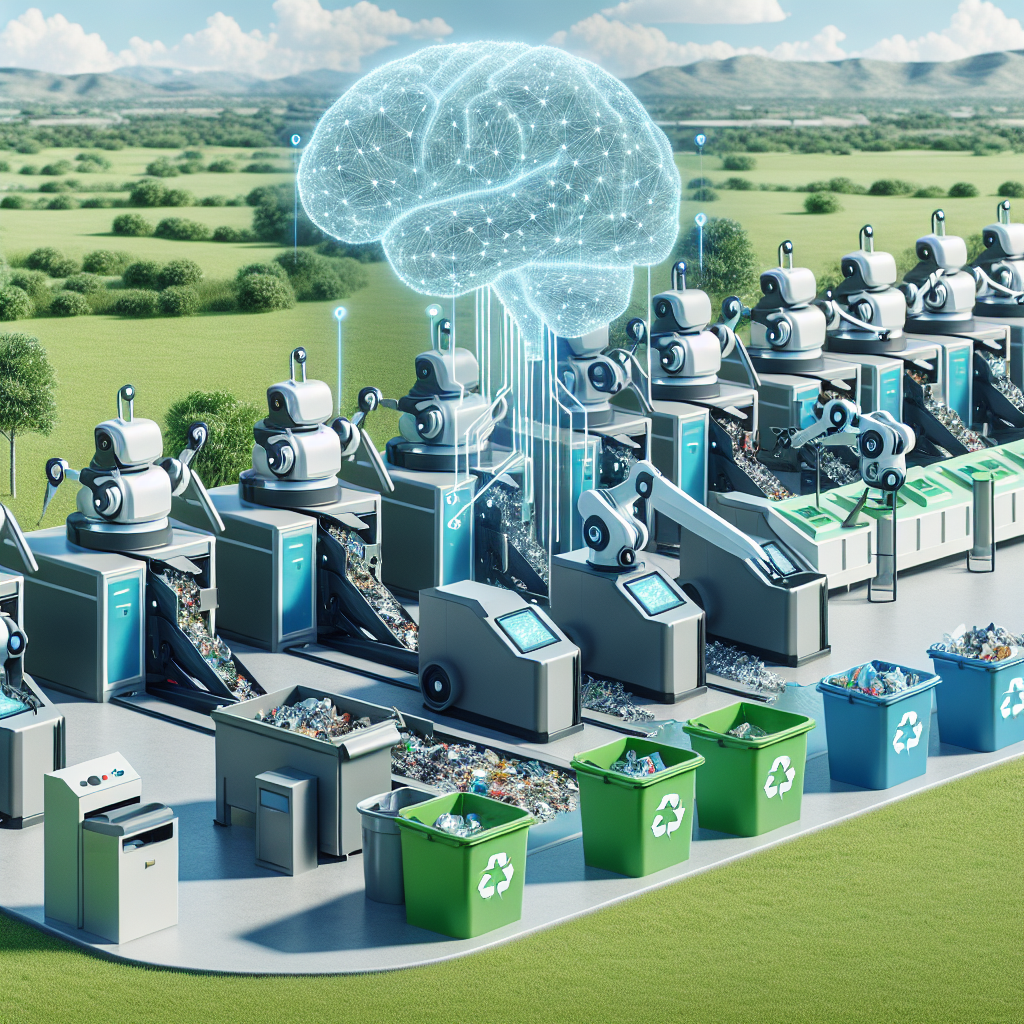
Another area where AI technology is making a significant impact is in waste sorting facilities. Traditionally, waste sorting has been a labor-intensive and error-prone process, with workers manually separating recyclable materials from non-recyclable waste. However, AI-driven automated sorting systems are now being used to streamline this process and improve the accuracy of waste sorting.
These systems use computer vision technology to identify and sort different types of waste materials based on their visual characteristics. By training machine learning algorithms on large datasets of waste images, these systems can quickly and accurately categorize items such as plastics, paper, glass, and metals. This not only speeds up the sorting process but also increases the purity of recyclable materials, making them more valuable to recycling companies.
3. Predictive Maintenance
In addition to optimizing waste collection and sorting processes, AI technology can also be used to improve the maintenance of waste management equipment and infrastructure. By analyzing data from sensors installed on waste collection trucks, sorting machines, and other equipment, AI algorithms can predict when maintenance is needed before equipment failures occur.
This proactive approach to maintenance helps prevent costly breakdowns and downtime, ensuring that waste management operations run smoothly and efficiently. By identifying potential issues early on, AI-driven predictive maintenance systems can also extend the lifespan of equipment and reduce the need for expensive repairs or replacements.
4. Waste Tracking and Analytics
AI technology can also be used to track and analyze waste data to identify trends, patterns, and opportunities for improvement. By integrating data from sensors, GPS trackers, and other sources, waste management companies can gain valuable insights into their operations and make data-driven decisions to optimize efficiency and reduce waste generation.
For example, AI-powered analytics platforms can analyze waste composition data to identify opportunities for recycling and waste diversion. By identifying the types of materials that are most commonly thrown away and finding ways to recycle or repurpose them, waste management companies can reduce the amount of waste sent to landfills and minimize their environmental impact.
FAQs:
Q: How can AI technology help reduce waste generation?
A: AI technology can help reduce waste generation by optimizing waste collection routes, improving the accuracy of waste sorting, and identifying opportunities for recycling and waste diversion. By streamlining waste management processes and making data-driven decisions, AI-driven solutions can help minimize the amount of waste sent to landfills and reduce overall environmental impact.
Q: Are AI-driven solutions cost-effective for waste management companies?
A: While there may be upfront costs associated with implementing AI-driven solutions, many waste management companies find that these technologies ultimately lead to cost savings in the long run. By improving operational efficiency, reducing fuel consumption, and minimizing maintenance costs, AI-driven solutions can help companies lower their operating expenses and increase their profitability.
Q: What are some examples of AI-driven solutions for sustainable waste management?
A: Some examples of AI-driven solutions for sustainable waste management include smart waste collection systems, automated waste sorting technologies, predictive maintenance systems, and waste tracking and analytics platforms. These technologies leverage the power of AI to optimize waste management processes, reduce costs, and minimize environmental impact.
In conclusion, AI-driven solutions have the potential to revolutionize the waste management industry and drive towards a more sustainable future. By leveraging the power of machine learning algorithms, waste management companies can optimize their operations, reduce costs, and minimize their environmental footprint. From smart waste collection systems to automated waste sorting technologies, AI-driven solutions are helping to improve efficiency, accuracy, and sustainability in waste reduction and management practices. As the global waste generation continues to increase, it is essential that we embrace innovative technologies like AI to address this growing problem and work towards a more sustainable and environmentally friendly waste management system.