
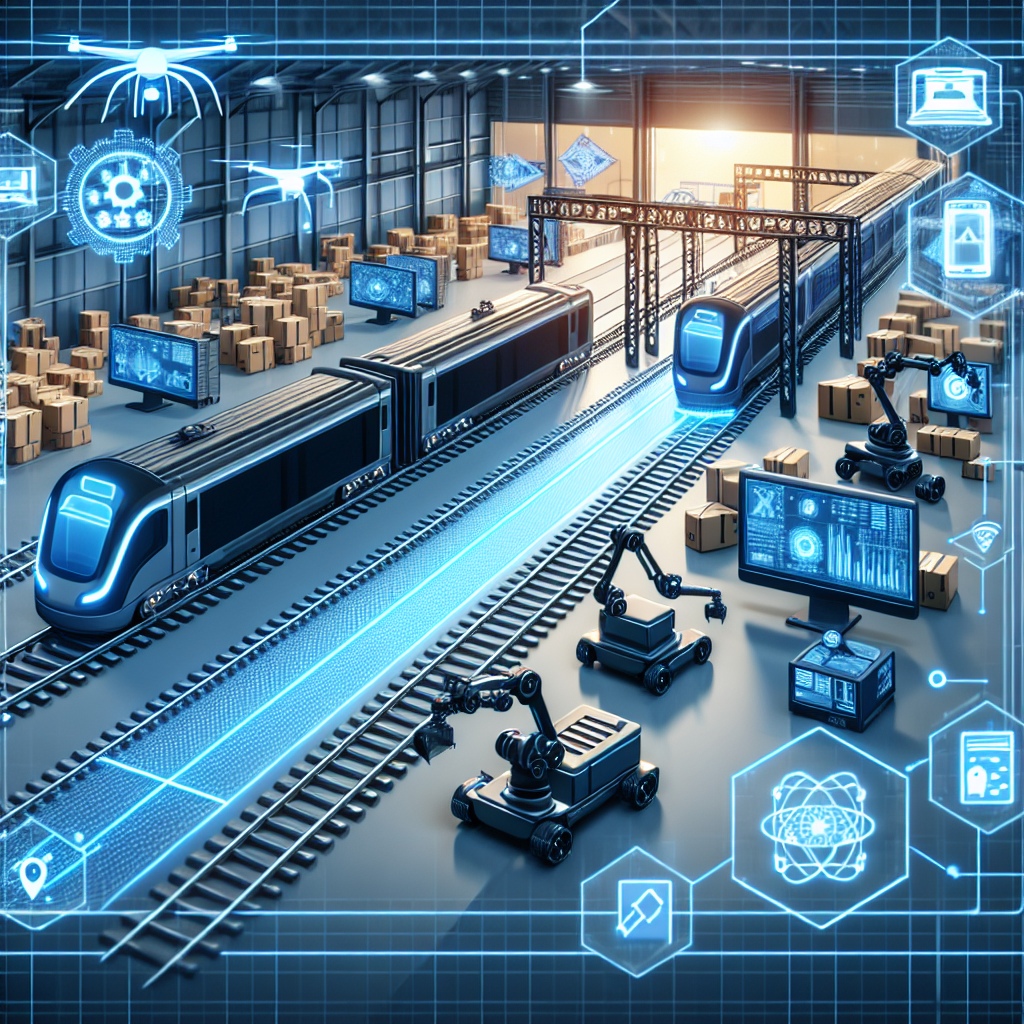
AI Integration in Transportation and Logistics
Artificial Intelligence (AI) is revolutionizing industries around the world, and transportation and logistics is no exception. The integration of AI technology in this sector is streamlining operations, increasing efficiency, and improving overall customer experience. From autonomous vehicles to predictive analytics, AI is transforming the way goods are transported and delivered.
AI in transportation and logistics is being used in various ways, such as route optimization, predictive maintenance, inventory management, and customer service. By harnessing the power of AI, companies can make data-driven decisions, reduce costs, and offer faster and more reliable services to customers.
One of the key areas where AI is making a significant impact is in route optimization. AI algorithms can analyze data from various sources, such as traffic patterns, weather conditions, and delivery schedules, to determine the most efficient routes for vehicles. This not only saves time and fuel costs but also reduces carbon emissions and improves overall fleet management.
Another important application of AI in transportation and logistics is predictive maintenance. By analyzing data from sensors installed in vehicles and equipment, AI can predict when maintenance is needed before a breakdown occurs. This proactive approach helps companies avoid costly repairs and downtime, leading to increased productivity and customer satisfaction.
AI is also being used to improve inventory management in the transportation and logistics industry. By analyzing historical data and demand forecasts, AI algorithms can optimize inventory levels, reduce stockouts, and minimize excess inventory. This results in lower carrying costs, faster delivery times, and improved customer satisfaction.
In addition to operational benefits, AI is also enhancing customer service in transportation and logistics. Chatbots powered by AI technology can provide real-time updates on shipment status, answer customer inquiries, and resolve issues quickly and efficiently. This level of automation not only improves customer satisfaction but also frees up human agents to focus on more complex tasks.
Overall, the integration of AI in transportation and logistics is leading to a more efficient, reliable, and sustainable industry. Companies that embrace AI technology are gaining a competitive edge and positioning themselves for success in an increasingly digital world.
FAQs
Q: How is AI being used in autonomous vehicles in transportation and logistics?
A: AI technology is powering autonomous vehicles by enabling them to navigate roads, avoid obstacles, and make real-time decisions without human intervention. AI algorithms analyze sensor data from cameras, lidar, and radar to interpret the vehicle’s surroundings and drive safely.
Q: What are the benefits of using AI for route optimization in transportation and logistics?
A: AI can analyze a vast amount of data to determine the most efficient routes for vehicles, taking into account factors such as traffic patterns, weather conditions, and delivery schedules. This leads to cost savings, reduced carbon emissions, and improved fleet management.
Q: How does AI help in predictive maintenance in transportation and logistics?
A: By analyzing data from sensors installed in vehicles and equipment, AI algorithms can predict when maintenance is needed before a breakdown occurs. This proactive approach helps companies avoid costly repairs and downtime, leading to increased productivity and customer satisfaction.
Q: How is AI improving inventory management in the transportation and logistics industry?
A: AI algorithms can optimize inventory levels by analyzing historical data and demand forecasts, reducing stockouts and minimizing excess inventory. This results in lower carrying costs, faster delivery times, and improved customer satisfaction.
Q: How is AI enhancing customer service in transportation and logistics?
A: Chatbots powered by AI technology can provide real-time updates on shipment status, answer customer inquiries, and resolve issues quickly and efficiently. This level of automation improves customer satisfaction and frees up human agents to focus on more complex tasks.