
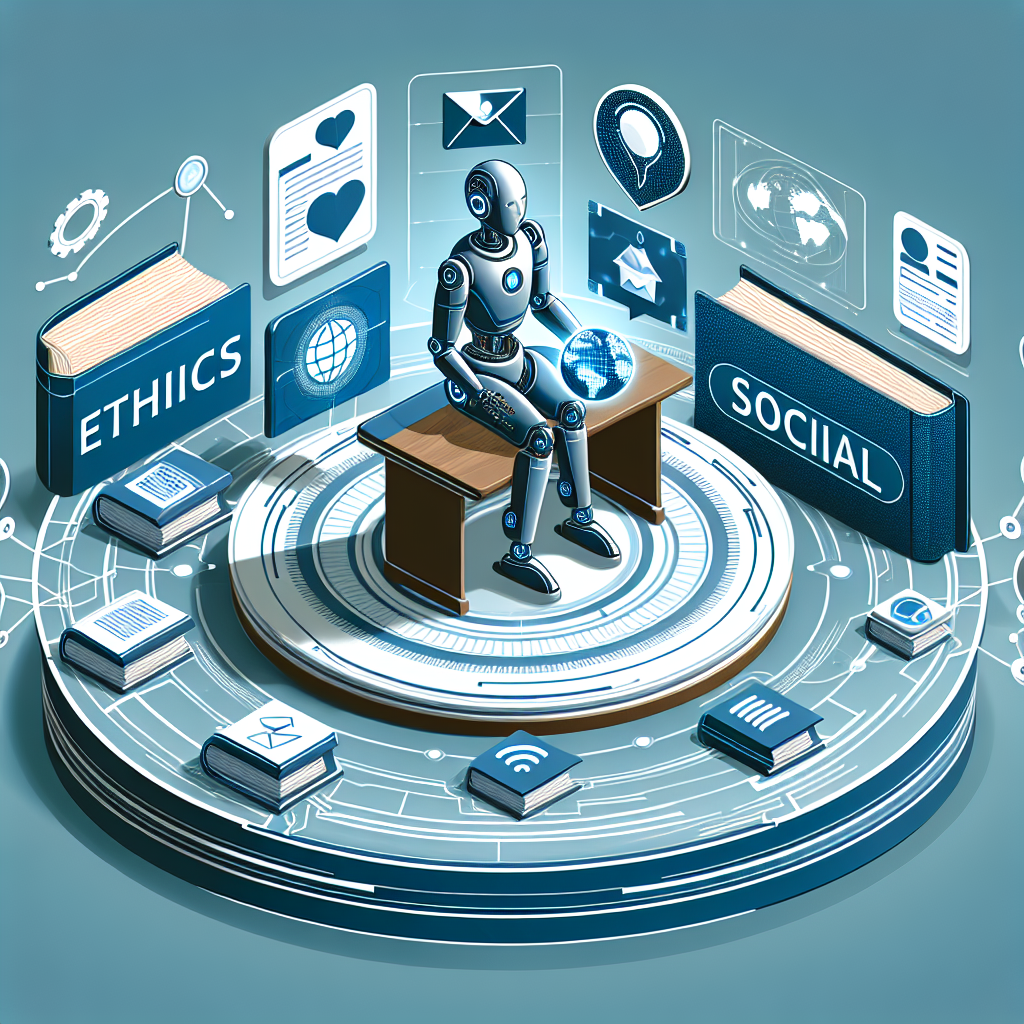
The Ethics of AI in Social Media Marketing Strategies
Artificial Intelligence (AI) has become a powerful tool for businesses looking to enhance their social media marketing strategies. With the ability to analyze data, personalize content, and automate processes, AI can help companies reach their target audiences more effectively and efficiently. However, the use of AI in marketing raises ethical considerations that must be carefully considered.
In this article, we will explore the ethics of AI in social media marketing strategies, examining the potential benefits and risks associated with its use. We will also provide guidance on how businesses can navigate these ethical challenges while leveraging AI to improve their marketing efforts.
Benefits of AI in Social Media Marketing
There are several benefits to using AI in social media marketing strategies. Some of the key advantages include:
1. Personalization: AI algorithms can analyze data from social media platforms to understand the preferences and behaviors of individual users. This allows businesses to create personalized content that is tailored to the interests of their target audience, increasing engagement and driving conversions.
2. Automation: AI can automate repetitive tasks such as scheduling posts, responding to messages, and analyzing performance metrics. This frees up marketers to focus on more strategic activities, improving efficiency and productivity.
3. Predictive Analytics: AI can analyze large amounts of data to identify trends and patterns that can inform marketing strategies. By predicting future outcomes, businesses can make more informed decisions and optimize their campaigns for success.
4. Customer Service: AI-powered chatbots can provide real-time support to customers on social media platforms, answering questions and resolving issues quickly and efficiently. This improves the overall customer experience and enhances brand reputation.
5. Fraud Detection: AI algorithms can detect fraudulent activity on social media platforms, such as fake accounts or spammy content. This helps businesses maintain a safe and trustworthy online environment for their customers.
Risks of AI in Social Media Marketing
While AI offers many benefits for social media marketing, there are also risks that businesses need to be aware of. Some of the key ethical considerations include:
1. Privacy Concerns: AI algorithms collect and analyze large amounts of data from social media users, raising concerns about privacy and data protection. Businesses must be transparent about how they use customer data and ensure compliance with regulations such as the General Data Protection Regulation (GDPR).
2. Bias and Discrimination: AI algorithms can perpetuate biases and discrimination if they are trained on biased data or programmed with discriminatory algorithms. This can lead to unfair targeting of certain groups or individuals, damaging brand reputation and alienating customers.
3. Lack of Transparency: AI algorithms are often complex and opaque, making it difficult for businesses to understand how they make decisions. This lack of transparency can lead to unintended consequences or ethical dilemmas, such as targeting vulnerable populations or spreading misinformation.
4. Job Displacement: The automation of tasks through AI can lead to job displacement for human workers, particularly in roles that are repetitive or routine. Businesses must consider the impact of AI on their workforce and take steps to reskill or redeploy employees to more strategic roles.
5. Accountability: When AI makes decisions on behalf of businesses, it can be challenging to assign accountability for any negative outcomes. Businesses must establish clear guidelines and oversight mechanisms to ensure that AI is used responsibly and ethically.
Ethical Guidelines for AI in Social Media Marketing
To navigate the ethical challenges of using AI in social media marketing, businesses should adhere to the following guidelines:
1. Transparency: Be transparent about how AI is used in marketing strategies, including the data collected, algorithms employed, and decisions made. Provide clear information to customers about how their data is used and give them control over their privacy settings.
2. Fairness: Avoid biases and discrimination in AI algorithms by using diverse and representative data sets, testing for biases regularly, and implementing safeguards against discriminatory outcomes. Ensure that marketing strategies are inclusive and respectful of all individuals.
3. Accountability: Establish clear lines of accountability for AI decisions, including oversight mechanisms, internal policies, and procedures for addressing ethical issues. Hold individuals responsible for the outcomes of AI algorithms and provide avenues for recourse for affected parties.
4. Security: Protect customer data and ensure the security of AI systems to prevent unauthorized access or misuse. Implement robust cybersecurity measures, encryption protocols, and data protection policies to safeguard sensitive information.
5. Continuous Monitoring: Monitor the performance of AI algorithms regularly to identify any ethical issues or unintended consequences. Conduct audits, reviews, and assessments of AI systems to ensure compliance with ethical guidelines and industry standards.
FAQs
Q: How can businesses ensure that AI algorithms are not biased?
A: Businesses can mitigate bias in AI algorithms by using diverse and representative data sets, testing for biases regularly, and implementing safeguards against discriminatory outcomes. They should also involve diverse stakeholders in the development and validation of AI systems to ensure fair and inclusive decision-making.
Q: What are some examples of unethical uses of AI in social media marketing?
A: Some examples of unethical uses of AI in social media marketing include targeting vulnerable populations with misleading or harmful content, spreading misinformation or fake news, discriminating against certain groups or individuals, and violating privacy or data protection laws.
Q: How can businesses balance the benefits of AI in marketing with ethical considerations?
A: Businesses can balance the benefits of AI in marketing with ethical considerations by establishing clear guidelines and oversight mechanisms, promoting transparency and accountability, addressing biases and discrimination, safeguarding privacy and data security, and continuously monitoring and evaluating the performance of AI systems.
Q: What are some best practices for ethical AI in social media marketing?
A: Some best practices for ethical AI in social media marketing include being transparent about how AI is used, avoiding biases and discrimination, establishing accountability for AI decisions, protecting customer data and ensuring security, and monitoring the performance of AI algorithms regularly to identify and address ethical issues.
In conclusion, the use of AI in social media marketing offers many benefits for businesses, but it also raises ethical considerations that must be carefully considered. By following ethical guidelines and best practices, businesses can leverage AI to enhance their marketing strategies while upholding principles of fairness, transparency, and accountability. By prioritizing ethical AI in social media marketing, businesses can build trust with customers, protect their brand reputation, and drive sustainable growth in the digital age.