
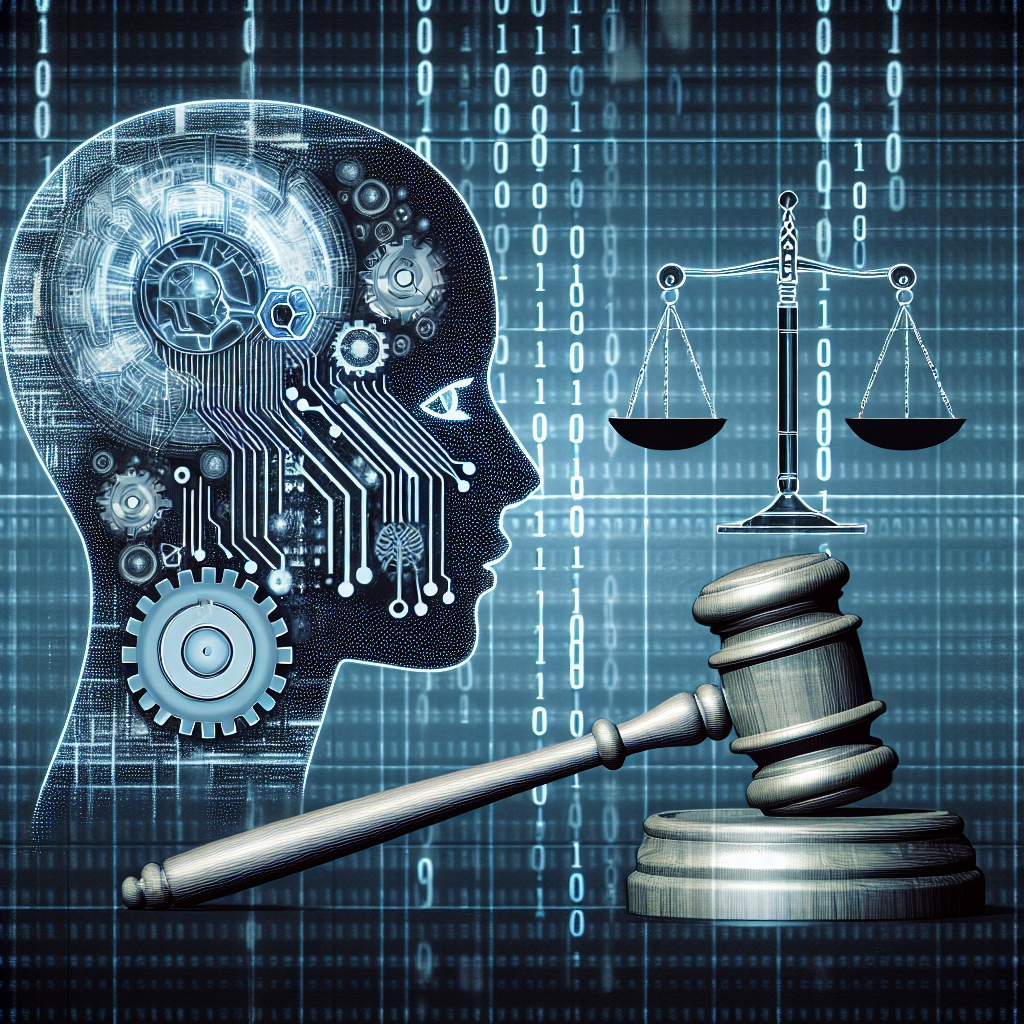
Artificial Intelligence (AI) has significantly transformed the cybersecurity landscape, offering advanced capabilities to detect and respond to cyber threats. However, the rapid evolution of AI technology has also raised concerns about potential risks and vulnerabilities that could be exploited by cybercriminals. As a result, cybersecurity law is continuously evolving to address emerging threats and ensure that AI is used responsibly to protect sensitive data and critical infrastructure.
The Intersection of AI and Cybersecurity Law
AI has revolutionized the way organizations defend against cyber threats by enabling real-time threat detection, automated incident response, and predictive analytics. Machine learning algorithms can analyze vast amounts of data to identify patterns and anomalies that may indicate a potential security breach. AI-powered tools can also enhance the efficiency of security operations by automating routine tasks and freeing up cybersecurity professionals to focus on more complex threats.
However, the use of AI in cybersecurity also presents new challenges for policymakers and legal experts. AI technologies, such as deep learning and neural networks, can be easily manipulated by cybercriminals to evade detection and launch sophisticated attacks. As a result, regulators are increasingly focusing on developing laws and regulations to govern the use of AI in cybersecurity and mitigate potential risks.
One of the key areas of concern is the potential for AI bias and discrimination in cybersecurity algorithms. AI systems are trained on historical data, which may contain biases that could lead to discriminatory outcomes. For example, an AI-powered security tool that is trained on data from predominantly male cybersecurity professionals may be less effective at detecting threats targeting women in the industry. To address this issue, policymakers are exploring ways to ensure that AI algorithms are fair, transparent, and accountable.
Another challenge is the lack of standardized cybersecurity laws and regulations governing the use of AI technologies. The rapidly evolving nature of AI makes it difficult for lawmakers to keep pace with new developments and emerging threats. As a result, there is a growing need for international cooperation and coordination to establish common frameworks for regulating AI in cybersecurity.
Emerging Threats in AI-Powered Cybersecurity
Despite the significant benefits of AI in cybersecurity, there are also emerging threats that organizations need to be aware of. One of the most prominent risks is the potential for AI-powered attacks that exploit vulnerabilities in machine learning algorithms. Adversarial attacks, for example, involve manipulating inputs to AI systems to deceive them into making incorrect decisions. Cybercriminals can use adversarial attacks to bypass AI-powered security defenses and gain unauthorized access to sensitive data.
Another emerging threat is the misuse of AI technologies for social engineering attacks. AI-powered chatbots and voice assistants can be used to impersonate legitimate users and trick individuals into disclosing confidential information. By leveraging AI to create more convincing and persuasive phishing campaigns, cybercriminals can increase the success rate of their attacks and bypass traditional email filtering systems.
Furthermore, the proliferation of AI-powered malware poses a significant threat to organizations’ cybersecurity defenses. Malware authors are increasingly using machine learning techniques to develop sophisticated malware variants that can evade detection by traditional antivirus software. By leveraging AI to analyze network traffic patterns and behavior, cybercriminals can launch targeted attacks that are difficult to detect and mitigate.
Addressing Emerging Threats Through Cybersecurity Law
To address the emerging threats posed by AI in cybersecurity, policymakers are taking a proactive approach to strengthen cybersecurity laws and regulations. One of the key priorities is to promote transparency and accountability in the use of AI technologies. Organizations that deploy AI-powered security tools must be transparent about how their algorithms work and the data sources they rely on. By providing clear explanations of their AI systems’ decision-making processes, organizations can enhance trust and confidence in their cybersecurity defenses.
Another important aspect of cybersecurity law is data protection and privacy. AI technologies rely on massive amounts of data to train their algorithms and make informed decisions. However, the use of personal data in AI systems raises concerns about privacy and compliance with data protection regulations, such as the General Data Protection Regulation (GDPR) in the European Union. To ensure that AI-powered cybersecurity solutions are compliant with data privacy laws, organizations must implement robust data protection measures and obtain explicit consent from individuals before processing their personal information.
Additionally, cybersecurity laws are increasingly focusing on establishing minimum standards for AI security and resilience. Organizations that deploy AI technologies in their cybersecurity defenses must implement robust security controls to prevent unauthorized access and protect sensitive data. By adhering to industry best practices and standards, such as the National Institute of Standards and Technology (NIST) cybersecurity framework, organizations can strengthen their resilience against AI-powered cyber threats.
FAQs:
Q: How can organizations ensure that their AI-powered cybersecurity defenses are compliant with data protection regulations?
A: Organizations can ensure compliance with data protection regulations by implementing robust data protection measures, obtaining explicit consent from individuals before processing their personal information, and providing transparency about how their AI systems work and the data sources they rely on.
Q: What are some best practices for organizations to strengthen their resilience against AI-powered cyber threats?
A: Some best practices for organizations to strengthen their resilience against AI-powered cyber threats include implementing robust security controls, adhering to industry standards and frameworks, such as the NIST cybersecurity framework, and conducting regular security assessments and audits.
Q: How can policymakers promote transparency and accountability in the use of AI technologies in cybersecurity?
A: Policymakers can promote transparency and accountability by establishing clear guidelines and regulations for organizations that deploy AI-powered cybersecurity solutions, requiring them to provide explanations of their AI systems’ decision-making processes and data sources, and ensuring compliance with data protection and privacy laws.
In conclusion, the intersection of AI and cybersecurity law presents both opportunities and challenges for organizations seeking to defend against emerging cyber threats. By addressing the potential risks and vulnerabilities associated with AI technologies, policymakers can strengthen cybersecurity defenses and promote responsible use of AI in protecting sensitive data and critical infrastructure. Through international cooperation and coordination, stakeholders can develop common frameworks and standards to govern the use of AI in cybersecurity and enhance global resilience against cyber threats.