
AI and Emergency Services: Improving Response Times and Efficiency
In today’s fast-paced world, every second counts in an emergency situation. Whether it’s a medical emergency, a fire, or a natural disaster, the ability to quickly and efficiently respond can mean the difference between life and death. That’s where artificial intelligence (AI) comes in. By harnessing the power of AI, emergency services can improve their response times and overall efficiency, ultimately saving more lives.
AI technology has the potential to revolutionize the way emergency services operate. From predictive analytics to real-time data analysis, AI can provide emergency responders with the tools they need to make split-second decisions and respond to emergencies more effectively. By leveraging AI, emergency services can improve their ability to prioritize calls, dispatch resources, and coordinate response efforts in a more efficient and timely manner.
One of the key ways AI can improve emergency response times is through predictive analytics. By analyzing historical data and patterns, AI can help emergency services predict when and where emergencies are likely to occur. This can help them better allocate resources and proactively position responders in high-risk areas, ultimately reducing response times and improving outcomes.
In addition to predictive analytics, AI can also help emergency services better manage the influx of calls during a crisis. By using natural language processing and machine learning algorithms, AI can help prioritize calls based on their urgency and severity. This can help ensure that the most critical calls are addressed first, while also providing support to dispatchers and call takers in managing high call volumes.
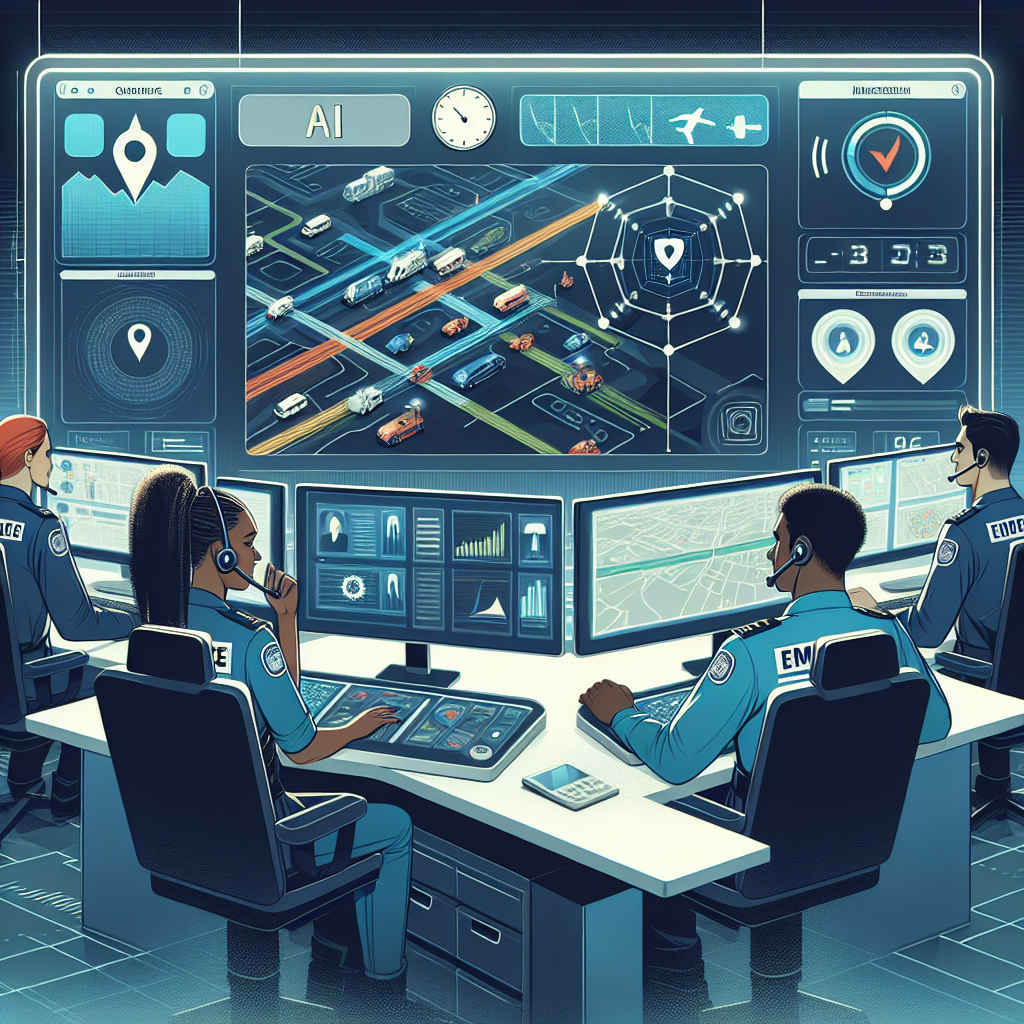
Furthermore, AI can also help emergency services optimize their response efforts by providing real-time data analysis and situational awareness. By integrating AI-powered tools into their operations, emergency responders can access up-to-date information on the location of incidents, the status of resources, and other critical details in real-time. This can help them make more informed decisions and coordinate their response efforts more effectively.
Overall, the integration of AI into emergency services can lead to significant improvements in response times, efficiency, and overall outcomes. By leveraging the power of AI, emergency services can better prepare for and respond to emergencies, ultimately saving more lives and minimizing the impact of disasters.
FAQs:
Q: How can AI improve response times in emergency services?
A: AI can improve response times in emergency services by providing predictive analytics, prioritizing calls, and optimizing resource allocation. By analyzing historical data and patterns, AI can help emergency services predict when and where emergencies are likely to occur, allowing them to position responders in high-risk areas and reduce response times. Additionally, AI can help prioritize calls based on their urgency and severity, ensuring that the most critical calls are addressed first.
Q: What are some examples of AI technologies used in emergency services?
A: Some examples of AI technologies used in emergency services include predictive analytics, natural language processing, and real-time data analysis. These technologies help emergency responders make more informed decisions, prioritize calls, and coordinate response efforts more effectively.
Q: How can AI help emergency services manage high call volumes during a crisis?
A: AI can help emergency services manage high call volumes during a crisis by using natural language processing and machine learning algorithms to prioritize calls based on their urgency and severity. This can help ensure that the most critical calls are addressed first, while also providing support to dispatchers and call takers in managing high call volumes.
Q: What are the benefits of integrating AI into emergency services?
A: The benefits of integrating AI into emergency services include improved response times, efficiency, and overall outcomes. By leveraging the power of AI, emergency services can better prepare for and respond to emergencies, ultimately saving more lives and minimizing the impact of disasters.
Q: Are there any challenges to integrating AI into emergency services?
A: Some challenges to integrating AI into emergency services include concerns about data privacy and security, as well as the need for training and education on how to effectively use AI technologies. Additionally, there may be resistance to change from some stakeholders within the emergency services community. However, with proper planning and implementation, these challenges can be overcome to realize the full potential of AI in emergency services.