
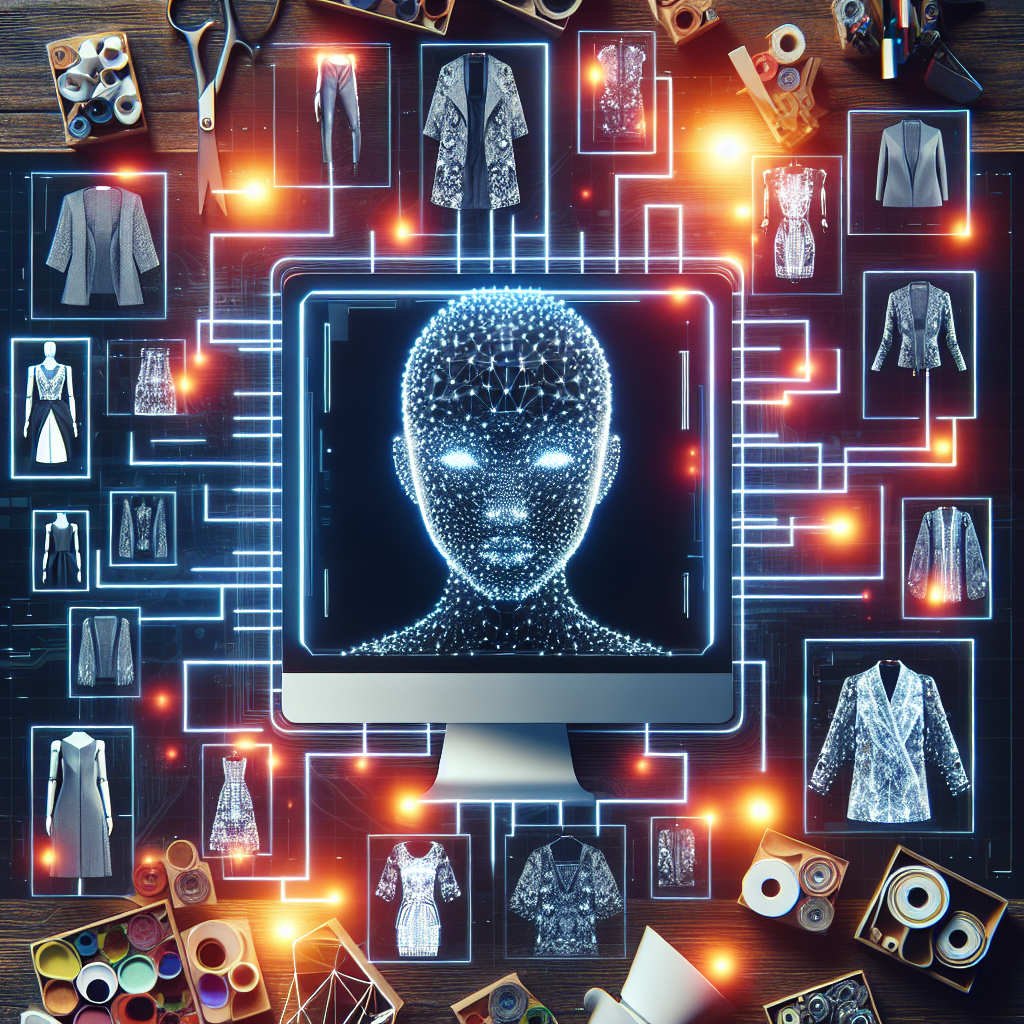
Artificial Intelligence (AI) is revolutionizing industries across the board, and the fashion industry is no exception. AI is changing the way designers create, producers manufacture, and consumers shop. From trend forecasting to design creation, AI is enabling fashion professionals to work faster, smarter, and more efficiently. In this article, we will explore the role of AI in fashion design and how it is shaping the future of creativity.
AI in Fashion Design: The Future of Creativity
1. Trend Forecasting: One of the key ways AI is impacting the fashion industry is through trend forecasting. AI algorithms can analyze vast amounts of data from social media, online searches, and sales data to predict future trends. This information is invaluable for designers and retailers looking to stay ahead of the curve and create products that resonate with consumers.
2. Design Creation: AI is also being used to assist in the design process itself. Designers can use AI-powered tools to generate new ideas, create digital sketches, and even produce virtual prototypes. This allows designers to explore new concepts and iterate on designs more quickly than ever before.
3. Personalization: AI is enabling fashion brands to offer personalized shopping experiences to their customers. By analyzing customer data and preferences, AI algorithms can recommend products that are tailored to each individual’s style and taste. This not only improves the shopping experience for consumers but also allows brands to increase sales and customer loyalty.
4. Supply Chain Optimization: AI is also being used to optimize the fashion supply chain. By analyzing data on production, inventory, and sales, AI algorithms can help brands streamline their operations, reduce waste, and improve efficiency. This can result in cost savings for brands and a more sustainable approach to fashion production.
5. Virtual Try-On: Another exciting application of AI in fashion design is virtual try-on technology. By using AI-powered tools, consumers can see how clothing will look on them before making a purchase. This not only helps reduce returns but also enhances the online shopping experience for customers.
FAQs
Q: Will AI replace human designers in the fashion industry?
A: While AI is certainly changing the way designers work, it is unlikely to replace human designers entirely. AI can assist designers in generating ideas, optimizing processes, and improving efficiency, but creativity and the human touch will always be essential in fashion design.
Q: How can small fashion brands benefit from AI?
A: Small fashion brands can benefit from AI in a variety of ways, such as trend forecasting, design creation, and personalized marketing. AI tools are becoming more accessible and affordable, making it easier for small brands to leverage this technology to compete with larger competitors.
Q: Is AI in fashion design sustainable?
A: AI can help make the fashion industry more sustainable by optimizing the supply chain, reducing waste, and improving efficiency. By using AI-powered tools, brands can make more informed decisions that lead to a more sustainable approach to fashion production.
Q: What are some examples of AI in fashion design?
A: Some examples of AI in fashion design include The Fabricant, a digital fashion house that creates virtual clothing using AI, and Stitch Fix, an online styling service that uses AI algorithms to recommend personalized clothing options to customers. Additionally, brands like Adidas and Tommy Hilfiger are using AI to optimize their supply chains and improve efficiency.
In conclusion, AI is transforming the fashion industry in exciting ways, from trend forecasting to design creation to personalized shopping experiences. By leveraging AI-powered tools, fashion professionals can work faster, smarter, and more sustainably. While AI is changing the landscape of fashion design, the human touch and creativity will always be essential in creating truly innovative and unique designs. As AI continues to evolve, the future of creativity in fashion design looks brighter than ever.