
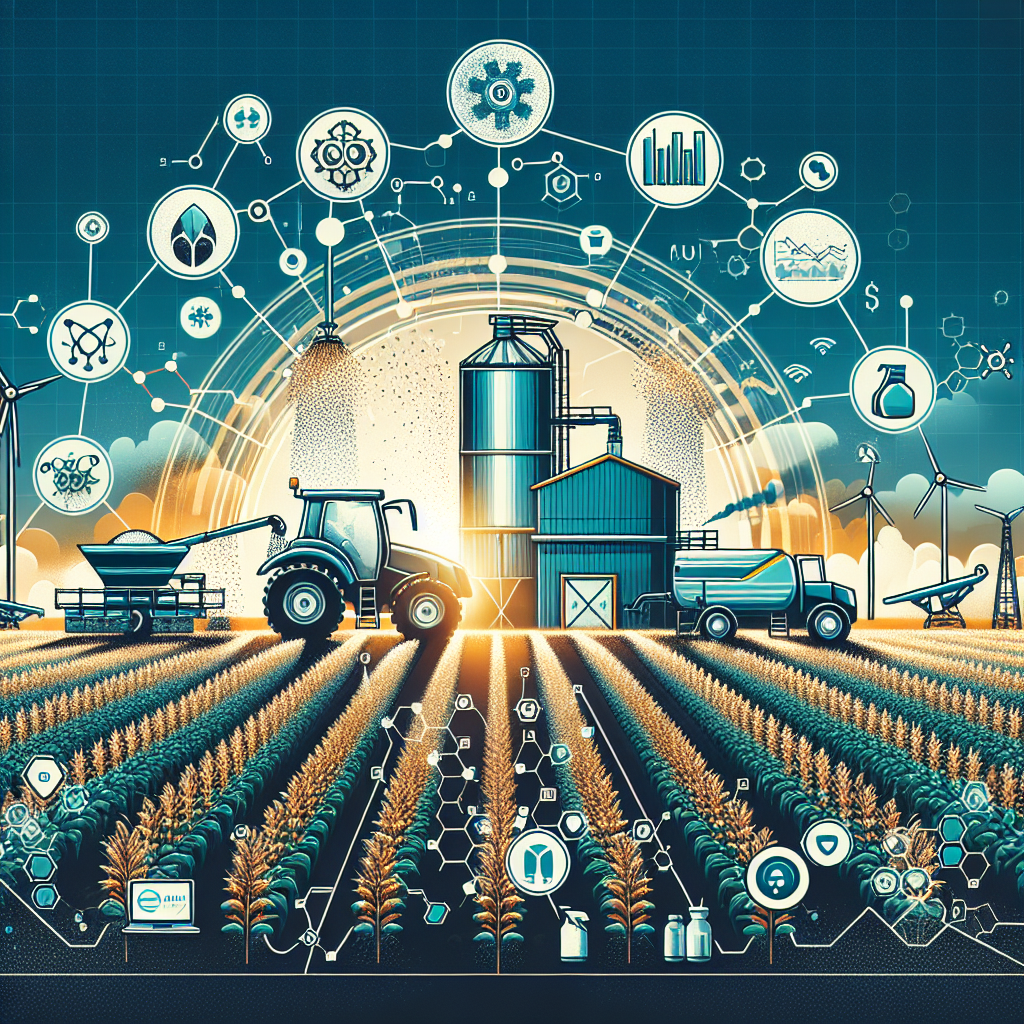
Agriculture is a vital industry that provides food and resources to sustain our growing population. However, managing agrochemicals effectively is crucial to ensure the health and productivity of crops while minimizing environmental impact. In recent years, artificial intelligence (AI) has emerged as a powerful tool to help farmers make more informed decisions about agrochemical management.
AI-powered tools for agrochemical management use machine learning algorithms to analyze data from various sources, such as satellite imagery, weather patterns, soil samples, and crop health sensors. By processing this data, AI can provide real-time insights and recommendations to farmers on when and where to apply agrochemicals, such as fertilizers, pesticides, and herbicides. This not only helps farmers optimize their crop yields but also reduces waste and environmental pollution.
One of the key benefits of AI-powered tools for agrochemical management is their ability to provide personalized recommendations based on the specific needs of each field or crop. By taking into account factors such as soil type, weather conditions, and pest pressure, AI can help farmers tailor their agrochemical applications to maximize effectiveness and minimize costs. This can lead to significant savings in terms of both time and resources, as well as improved crop yields and quality.
Another advantage of AI-powered tools for agrochemical management is their ability to predict and prevent potential problems before they occur. By analyzing historical data and trends, AI can identify patterns and anomalies that may indicate issues such as disease outbreaks, nutrient deficiencies, or pest infestations. This early warning system allows farmers to take proactive measures to address these problems, such as adjusting their agrochemical applications or implementing pest control strategies. By doing so, farmers can avoid costly crop losses and protect their investment.
AI-powered tools for agrochemical management also have the potential to improve sustainability in agriculture. By optimizing agrochemical applications and reducing waste, AI can help farmers minimize their environmental footprint and conserve resources. This is particularly important as the global population continues to grow, putting increasing pressure on land and water resources. By using AI to manage agrochemicals more efficiently, farmers can help ensure the long-term viability of their operations while protecting the environment for future generations.
In addition to these benefits, AI-powered tools for agrochemical management can also help farmers comply with increasingly strict regulations and standards related to pesticide use and environmental protection. By providing accurate and up-to-date data on agrochemical applications, AI can help farmers demonstrate their compliance with legal requirements and sustainability certifications. This can not only help farmers avoid fines and penalties but also improve their reputation and market access.
Overall, AI-powered tools for agrochemical management have the potential to revolutionize the way farmers make decisions about their crop inputs. By harnessing the power of AI to analyze data and provide actionable insights, farmers can optimize their agrochemical applications, improve crop yields, and protect the environment. As the technology continues to advance, we can expect to see even greater benefits in terms of sustainability, productivity, and profitability in agriculture.
FAQs:
Q: How do AI-powered tools for agrochemical management work?
A: AI-powered tools for agrochemical management use machine learning algorithms to analyze data from various sources, such as satellite imagery, weather patterns, soil samples, and crop health sensors. By processing this data, AI can provide real-time insights and recommendations to farmers on when and where to apply agrochemicals.
Q: What are the benefits of using AI-powered tools for agrochemical management?
A: AI-powered tools for agrochemical management can help farmers optimize their crop yields, reduce waste, prevent potential problems, improve sustainability, and comply with regulations and standards related to pesticide use and environmental protection.
Q: How can AI-powered tools for agrochemical management improve sustainability in agriculture?
A: By optimizing agrochemical applications and reducing waste, AI-powered tools for agrochemical management can help farmers minimize their environmental footprint and conserve resources, thus improving sustainability in agriculture.
Q: Are AI-powered tools for agrochemical management expensive to implement?
A: While there may be upfront costs associated with implementing AI-powered tools for agrochemical management, the potential savings in terms of time, resources, and crop yields can outweigh these costs in the long run. Additionally, there are a variety of options available, ranging from individual tools to comprehensive software solutions, to fit different budgets and needs.