
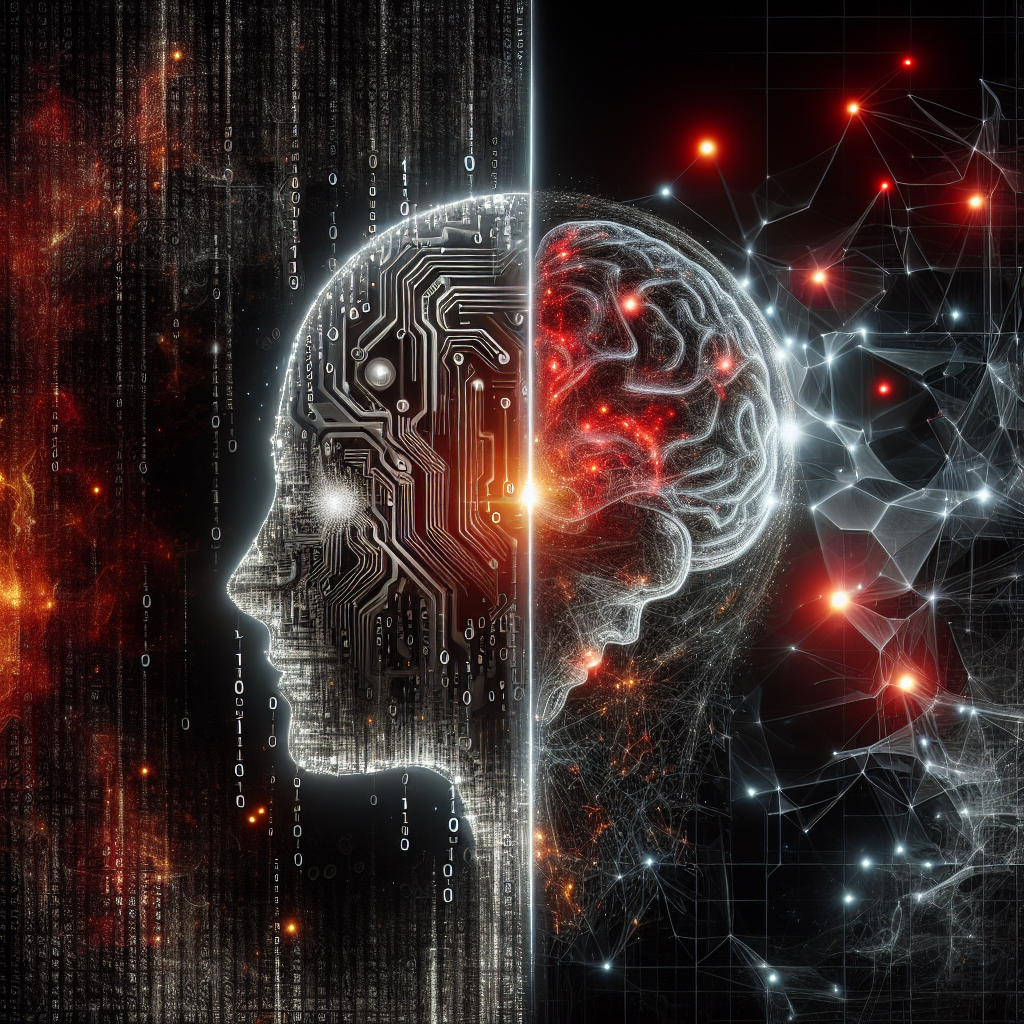
Artificial Intelligence (AI) has become an increasingly prevalent force in our society, with applications ranging from virtual assistants like Siri and Alexa to self-driving cars and advanced medical diagnostics. While the potential benefits of AI are vast, there is also a dark side to this technology that raises serious concerns and risks. From job displacement to privacy violations and ethical dilemmas, the dark side of AI is a complex and multifaceted issue that requires careful consideration.
One of the most pressing concerns surrounding AI is the potential for job displacement. As AI becomes more advanced and capable of performing tasks that were once reserved for humans, there is a real fear that many jobs will be automated out of existence. This could have devastating effects on the economy and society as a whole, leading to widespread unemployment and economic instability. While some argue that AI will create new jobs and opportunities, the speed at which technology is advancing may outpace our ability to adapt and retrain displaced workers.
Privacy violations are another major concern when it comes to AI. As AI systems collect and analyze vast amounts of data about individuals, there is a risk that this information could be used in ways that violate privacy rights. For example, facial recognition technology could be used for mass surveillance, or personal data could be sold to advertisers without consent. The increasingly interconnected nature of AI systems also raises concerns about data breaches and cyberattacks, which could have serious consequences for individuals and organizations alike.
Ethical dilemmas are also a significant issue when it comes to AI. As AI becomes more sophisticated, it raises profound questions about the role of technology in our society and the ethics of creating machines that can think and act like humans. For example, should autonomous vehicles prioritize the safety of their passengers over pedestrians? How should AI be used in warfare, and what are the implications of creating autonomous weapons systems? These are complex ethical questions that do not have easy answers, and they highlight the need for careful consideration of the potential risks and consequences of AI technology.
In addition to job displacement, privacy violations, and ethical dilemmas, there are a number of other risks and concerns associated with AI. For example, there is a risk that AI systems could be biased or discriminatory, perpetuating existing inequalities and injustices in society. There is also a risk that AI could be used for malicious purposes, such as spreading misinformation or carrying out cyberattacks. Additionally, there is a concern that AI systems could become too powerful and out of control, leading to unintended consequences and potentially catastrophic outcomes.
In order to address these risks and concerns, it is essential that we take a proactive and thoughtful approach to the development and implementation of AI technology. This includes ensuring that AI systems are designed and used in a way that prioritizes human well-being and respects ethical principles. It also means investing in education and training programs to help workers adapt to a changing labor market and supporting policies that protect privacy and prevent discrimination.
Despite the risks and concerns associated with AI, there is also a great deal of potential for this technology to improve our lives and society. By balancing the benefits of AI with the risks and concerns, we can harness the power of this technology to create a more just, equitable, and prosperous future for all.
FAQs:
Q: What are some examples of AI technologies that raise concerns?
A: Some examples of AI technologies that raise concerns include facial recognition technology, autonomous weapons systems, and predictive policing algorithms.
Q: How can we address the risks and concerns associated with AI?
A: We can address the risks and concerns associated with AI by prioritizing human well-being and ethical principles in the design and use of AI systems, investing in education and training programs for workers, and supporting policies that protect privacy and prevent discrimination.
Q: What are some potential benefits of AI technology?
A: Some potential benefits of AI technology include improved medical diagnostics, increased efficiency in manufacturing and transportation, and enhanced communication and collaboration tools.
Q: How can individuals protect their privacy in an increasingly AI-driven world?
A: Individuals can protect their privacy in an increasingly AI-driven world by being mindful of the data they share online, using privacy settings on social media platforms, and being aware of how their data is being used by AI systems.