
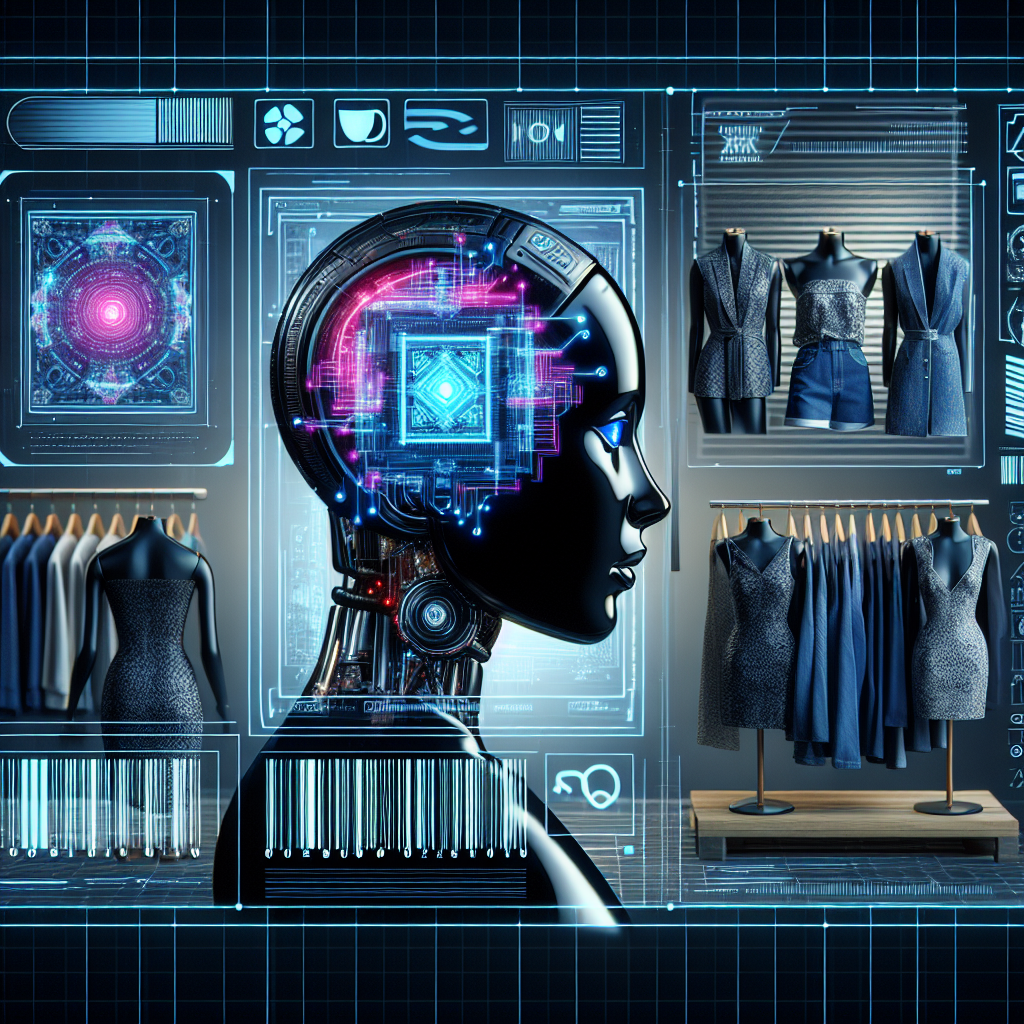
Artificial Intelligence (AI) has been revolutionizing various industries, and fashion marketing and advertising are no exception. With the rapid advancements in technology, AI is changing the way brands connect with consumers, personalize their messaging, and optimize their marketing strategies. In this article, we will explore the impact of AI on the fashion industry, specifically in marketing and advertising, and how brands can leverage this technology to stay ahead of the competition.
AI in Fashion Marketing and Advertising
1. Personalization: AI enables brands to create personalized experiences for their customers by analyzing data and predicting their preferences. This allows brands to tailor their marketing messages to individual consumers, increasing engagement and driving sales. For example, AI-powered algorithms can analyze a customer’s browsing history, purchase behavior, and social media interactions to recommend products that are likely to resonate with them.
2. Virtual Try-On: AI technology has made it possible for consumers to virtually try on clothes and accessories before making a purchase. This not only enhances the shopping experience but also reduces the likelihood of returns, leading to cost savings for brands. Virtual try-on tools use computer vision to accurately superimpose products on a customer’s body, giving them a realistic sense of how the item will look on them.
3. Image Recognition: AI-powered image recognition technology allows brands to analyze and categorize visual content, such as photos and videos, to identify trends, influencers, and brand mentions. This helps brands stay on top of the latest fashion trends, monitor their brand reputation, and track the success of their marketing campaigns. Image recognition is also used in social media monitoring to identify user-generated content that mentions or features the brand.
4. Chatbots: AI-powered chatbots have become an essential tool for fashion brands to provide personalized customer service and support. Chatbots can answer customer inquiries, provide product recommendations, and assist with the purchase process, all in real-time. This improves the customer experience by making it easier for consumers to find the information they need and complete their purchases.
5. Predictive Analytics: AI enables fashion brands to forecast trends, predict consumer behavior, and optimize their marketing strategies. By analyzing large datasets, AI algorithms can identify patterns and insights that human analysts may overlook. This allows brands to make data-driven decisions that are more likely to resonate with their target audience and drive positive outcomes.
6. Influencer Marketing: AI technology has revolutionized the way brands identify and collaborate with influencers. AI-powered tools can analyze social media data to identify influencers who align with the brand’s values and target audience. This ensures that brands partner with influencers who have a genuine connection with their followers, leading to more authentic and effective marketing campaigns.
FAQs
1. How can AI help fashion brands improve their marketing ROI?
AI can help fashion brands improve their marketing ROI by enabling them to personalize their messaging, target the right audience, optimize their campaigns, and measure their impact. By leveraging AI-powered tools and algorithms, brands can better understand their customers, predict their behavior, and deliver relevant and engaging content that drives conversions.
2. What are some examples of AI applications in fashion marketing and advertising?
Some examples of AI applications in fashion marketing and advertising include personalized recommendations, virtual try-on tools, image recognition technology, chatbots, predictive analytics, and influencer marketing. These tools help brands enhance the customer experience, improve targeting, optimize campaigns, and measure success.
3. How can fashion brands leverage AI to stay ahead of the competition?
Fashion brands can leverage AI to stay ahead of the competition by investing in AI-powered tools and technologies that enable them to personalize their messaging, predict trends, optimize campaigns, and measure results. By embracing AI, brands can better understand their customers, deliver more relevant content, and drive higher engagement and conversions.
4. What are some challenges associated with implementing AI in fashion marketing and advertising?
Some challenges associated with implementing AI in fashion marketing and advertising include the need for skilled professionals to manage AI tools, data privacy concerns, and the potential for bias in AI algorithms. Brands must also ensure that they have access to high-quality data and that their AI systems are transparent and accountable.
In conclusion, AI is transforming the fashion industry, particularly in marketing and advertising. By leveraging AI-powered tools and technologies, fashion brands can personalize their messaging, enhance the customer experience, optimize their campaigns, and stay ahead of the competition. As AI continues to evolve, it will be crucial for brands to embrace this technology and harness its power to drive growth and success in the ever-changing fashion landscape.