
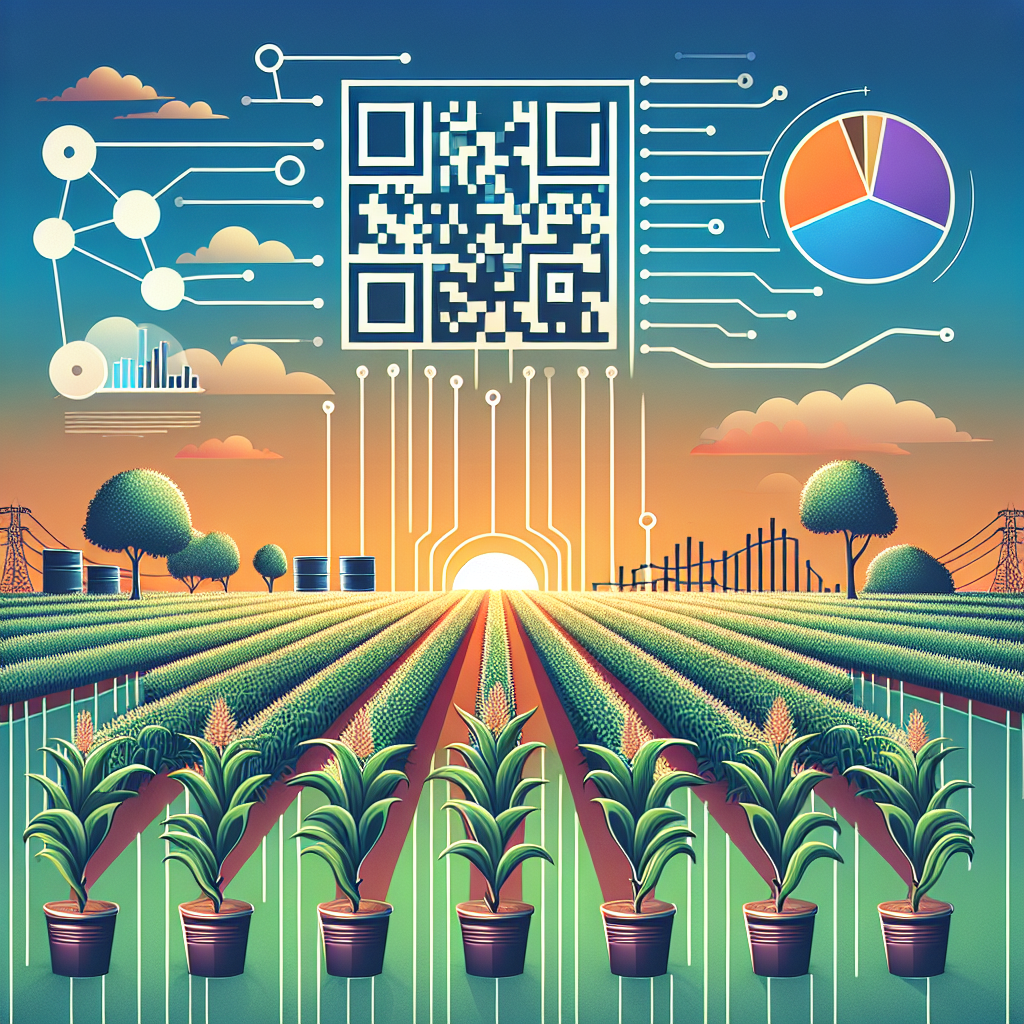
Utilizing AI for Crop Forecasting and Market Analysis
Introduction
AI, or artificial intelligence, is revolutionizing the agriculture industry by providing farmers and agribusinesses with the tools they need to improve crop forecasting and market analysis. By harnessing the power of AI, farmers can make more informed decisions about planting, harvesting, and selling their crops, leading to increased productivity and profitability. In this article, we will explore how AI is being used for crop forecasting and market analysis, and the benefits it can bring to the agriculture sector.
Crop Forecasting with AI
Crop forecasting is essential for farmers to plan their planting and harvesting schedules, optimize resource allocation, and maximize yields. Traditional methods of crop forecasting, such as manual data collection and analysis, can be time-consuming and prone to errors. AI offers a more efficient and accurate alternative to traditional methods by using advanced algorithms to analyze large amounts of data and generate precise forecasts.
AI can analyze a wide range of data sources, including weather patterns, soil conditions, historical crop yields, and market trends, to predict crop yields with a high degree of accuracy. By integrating data from sensors, satellites, and drones, AI can provide real-time insights into crop health and growth, allowing farmers to take proactive measures to protect their crops from pests, diseases, and adverse weather conditions.
Market Analysis with AI
In addition to crop forecasting, AI can also be used for market analysis to help farmers identify market trends, price fluctuations, and demand patterns. By analyzing historical sales data, consumer preferences, and market dynamics, AI can provide farmers with valuable insights into market conditions and help them make strategic decisions about when and where to sell their crops.
AI-powered market analysis tools can also help farmers optimize their pricing strategies, identify new market opportunities, and establish partnerships with buyers and distributors. By leveraging AI for market analysis, farmers can maximize their profits and reduce the risks associated with market volatility and uncertainty.
Benefits of AI for Crop Forecasting and Market Analysis
There are several key benefits of using AI for crop forecasting and market analysis in agriculture:
1. Improved Accuracy: AI algorithms can analyze large amounts of data with speed and precision, leading to more accurate forecasts and market insights.
2. Cost Savings: By automating data collection and analysis processes, AI can help farmers save time and resources, reducing operational costs and increasing efficiency.
3. Increased Productivity: AI can help farmers optimize their planting and harvesting schedules, leading to higher yields and improved crop quality.
4. Risk Mitigation: AI can help farmers identify and mitigate risks, such as crop diseases, pests, and market fluctuations, allowing them to make more informed decisions and protect their investments.
5. Enhanced Decision-Making: AI can provide farmers with real-time insights and recommendations, enabling them to make data-driven decisions that lead to better outcomes.
FAQs
Q: How can farmers access AI-powered crop forecasting and market analysis tools?
A: There are several AI-powered platforms and software solutions available to farmers, including AgriWeb, CropX, and Farmwave, which offer advanced analytics and forecasting capabilities for agriculture.
Q: Are there any potential challenges or limitations associated with using AI for crop forecasting and market analysis?
A: While AI offers many benefits for agriculture, there are some challenges to consider, such as data privacy and security concerns, the need for specialized skills and training, and the potential for bias in AI algorithms.
Q: How can farmers integrate AI into their existing farming practices?
A: Farmers can start by collecting and digitizing their farming data, such as weather conditions, soil samples, and crop yields, and then use AI tools to analyze and interpret this data to make more informed decisions.
Q: What are some examples of successful applications of AI in agriculture?
A: Some examples of successful AI applications in agriculture include precision farming, crop monitoring, yield prediction, and pest management, which have helped farmers improve their productivity and profitability.
Conclusion
AI is transforming the agriculture industry by providing farmers with powerful tools for crop forecasting and market analysis. By leveraging AI algorithms and data analytics, farmers can make more informed decisions about planting, harvesting, and selling their crops, leading to increased productivity and profitability. As AI continues to advance, it is expected to play an even greater role in shaping the future of agriculture and helping farmers navigate the complexities of modern farming practices.