
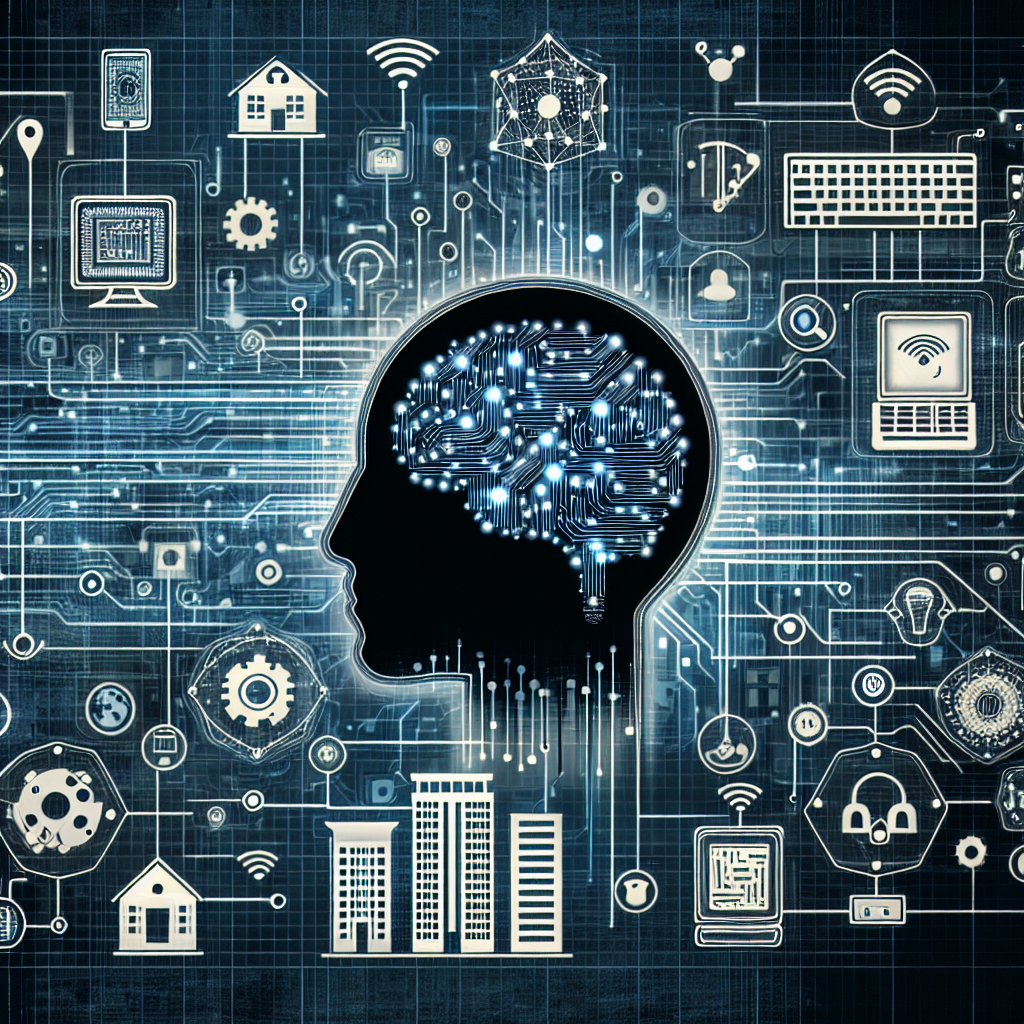
In recent years, the intersection of Artificial Intelligence (AI) and Internet of Things (IoT) technologies has been revolutionizing various industries, including real estate. The combination of AI and IoT has transformed traditional real estate practices into smart real estate technology, offering innovative solutions for property management, security, energy efficiency, and overall convenience for property owners and tenants alike.
AI utilizes advanced algorithms to analyze and interpret data, while IoT connects physical devices and sensors to the internet, enabling them to communicate and share information. When these two technologies are integrated, the possibilities for smart real estate applications are endless.
One of the key benefits of AI and IoT in real estate is the ability to collect and analyze data in real-time. By deploying sensors throughout a property, landlords and property managers can monitor various aspects such as temperature, air quality, energy usage, and occupancy levels. This data can be fed into AI algorithms to identify patterns, predict maintenance needs, and optimize energy consumption, leading to cost savings and improved operational efficiency.
For example, smart thermostats can adjust the temperature based on occupancy patterns, reducing energy waste and saving money on utility bills. Similarly, smart lighting systems can automatically adjust brightness levels based on natural light conditions or occupancy, further optimizing energy usage.
Another significant application of AI and IoT in real estate is enhancing security and safety measures. Smart security cameras can be equipped with facial recognition technology to grant access to authorized individuals and alert property managers of any suspicious activities. IoT sensors can detect smoke, carbon monoxide, or water leaks, triggering immediate alerts to prevent potential disasters.
Furthermore, AI-driven predictive maintenance can help property managers identify potential equipment failures before they occur, reducing downtime and costly repairs. By analyzing historical data and performance metrics, AI algorithms can predict when a piece of equipment is likely to fail and schedule maintenance proactively, preventing disruptions to tenants and ensuring smooth operations.
In addition to operational efficiency and security enhancements, AI and IoT technologies are also transforming the tenant experience in real estate. Smart home devices such as voice-activated assistants, smart locks, and connected appliances offer convenience and flexibility for tenants, allowing them to control various aspects of their living space remotely.
For property owners, AI-powered analytics can provide valuable insights into market trends, property performance, and tenant preferences, enabling informed decision-making and maximizing returns on investment. By analyzing data on rental rates, vacancy rates, and tenant turnover, property owners can optimize pricing strategies and marketing efforts to attract and retain tenants.
Despite the numerous benefits of AI and IoT in real estate, there are also challenges and concerns associated with these technologies. Data privacy and security are top concerns, as the collection and storage of sensitive information pose potential risks if not adequately protected. Property owners and managers must ensure that they comply with data protection regulations and implement robust security measures to safeguard personal information.
Moreover, the upfront costs of implementing AI and IoT technologies in real estate can be significant, requiring investment in hardware, software, and infrastructure. Property owners must carefully evaluate the potential return on investment and consider long-term benefits when adopting smart real estate solutions.
As the adoption of AI and IoT technologies continues to grow in the real estate industry, it is essential for property owners, managers, and tenants to stay informed about the latest trends and developments in smart real estate technology. By embracing innovation and leveraging the power of AI and IoT, real estate stakeholders can unlock new opportunities for efficiency, security, and convenience in property management and tenant experience.
In conclusion, AI and IoT technologies are transforming the real estate industry, offering innovative solutions for property management, security, energy efficiency, and tenant experience. By leveraging the power of data analytics, automation, and connectivity, property owners and managers can optimize operations, enhance security measures, and improve the overall tenant experience. As the adoption of AI and IoT in real estate continues to grow, staying informed about the latest trends and best practices is crucial for success in the evolving real estate landscape.
FAQs:
1. What are some common applications of AI and IoT in real estate?
Some common applications of AI and IoT in real estate include smart thermostats for energy efficiency, smart security cameras for enhanced security measures, predictive maintenance for equipment optimization, and smart home devices for tenant convenience.
2. How can AI and IoT technologies benefit property owners and managers?
AI and IoT technologies can benefit property owners and managers by improving operational efficiency, enhancing security measures, optimizing energy usage, and providing valuable insights into market trends and tenant preferences.
3. What are the challenges associated with AI and IoT in real estate?
Some challenges associated with AI and IoT in real estate include data privacy and security concerns, upfront costs of implementation, and the need for compliance with data protection regulations.
4. How can property owners and managers ensure data privacy and security when implementing AI and IoT technologies?
Property owners and managers can ensure data privacy and security by implementing robust security measures, complying with data protection regulations, and educating tenants about the importance of safeguarding personal information.
5. What are some future trends in AI and IoT for real estate?
Some future trends in AI and IoT for real estate include the integration of virtual reality and augmented reality technologies for property tours, the use of blockchain for secure transactions, and the development of smart cities with interconnected real estate ecosystems.