
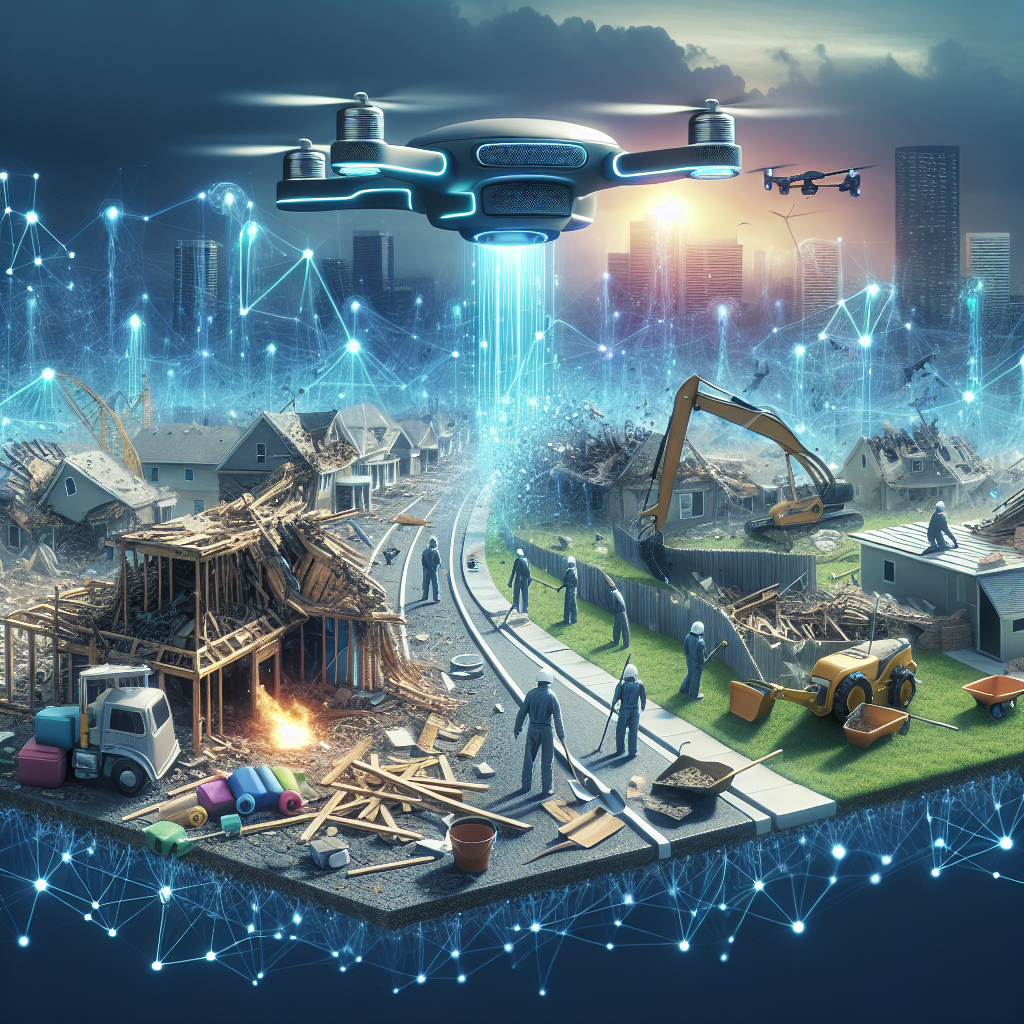
The Role of AI in Disaster Recovery and Reconstruction Efforts
Disasters, whether natural or man-made, can have devastating effects on communities, causing loss of life, displacement of populations, and extensive damage to infrastructure. In the aftermath of such events, quick and effective disaster recovery and reconstruction efforts are essential to help affected communities rebuild and recover.
Advancements in artificial intelligence (AI) technology have the potential to significantly improve disaster response and recovery efforts by providing valuable insights, streamlining processes, and enhancing decision-making capabilities. In this article, we will explore the role of AI in disaster recovery and reconstruction efforts, and how this technology can be leveraged to help communities recover from disasters more effectively.
AI in Disaster Response
During the immediate aftermath of a disaster, rapid and effective response is crucial to saving lives and minimizing further damage. AI technologies can play a critical role in disaster response by providing valuable real-time information and insights to aid in decision-making.
For example, AI-powered drones can be used to assess the extent of damage to infrastructure and identify areas that require immediate attention. These drones can capture high-resolution images and videos of affected areas, which can be analyzed using AI algorithms to quickly assess the extent of damage and prioritize response efforts.
AI-powered chatbots can also be deployed to provide real-time information and support to affected populations. These chatbots can answer questions, provide updates on the status of relief efforts, and connect individuals with the resources they need to stay safe and secure.
Furthermore, AI algorithms can analyze vast amounts of data from various sources, such as social media, satellite imagery, and weather forecasts, to provide valuable insights into the evolving situation on the ground. This information can help emergency responders make informed decisions and allocate resources more effectively.
AI in Disaster Recovery and Reconstruction
Once the immediate response phase is over, communities must begin the long and challenging process of recovery and reconstruction. AI technologies can continue to play a crucial role in this phase by helping communities assess damage, plan reconstruction efforts, and monitor progress over time.
One of the key ways AI can support disaster recovery and reconstruction efforts is through predictive analytics. By analyzing historical data on previous disasters, as well as real-time data on the current situation, AI algorithms can predict future trends and help communities prepare for potential risks and challenges.
For example, AI-powered risk assessment tools can help communities identify vulnerable areas, assess potential hazards, and develop risk mitigation strategies to prevent future disasters. These tools can analyze a wide range of data, such as topography, infrastructure, and population density, to identify areas that are at high risk of flooding, landslides, or other hazards.
AI can also be used to streamline the construction and rebuilding process by optimizing resource allocation, scheduling, and logistics. By analyzing data on materials availability, labor costs, and transportation routes, AI algorithms can help communities make more informed decisions and ensure that resources are used efficiently.
Furthermore, AI-powered monitoring systems can track the progress of reconstruction efforts over time and provide valuable insights into the effectiveness of various interventions. These systems can analyze data on construction timelines, budget allocations, and quality control measures to identify areas that require improvement and ensure that reconstruction efforts are on track.
FAQs
Q: How can AI help communities prepare for disasters before they occur?
A: AI technologies can help communities assess risks, develop mitigation strategies, and prepare for disasters before they occur by analyzing historical data, identifying vulnerable areas, and predicting future trends.
Q: How can AI support disaster response efforts during the immediate aftermath of a disaster?
A: AI technologies can provide real-time information, assess damage, prioritize response efforts, and connect affected populations with the resources they need to stay safe and secure.
Q: How can AI streamline the reconstruction process after a disaster?
A: AI technologies can optimize resource allocation, scheduling, and logistics, track the progress of reconstruction efforts, and provide valuable insights into the effectiveness of various interventions.
Q: What are some examples of AI technologies that can be used in disaster recovery and reconstruction efforts?
A: Examples of AI technologies that can be used in disaster recovery and reconstruction efforts include drones for damage assessment, chatbots for real-time support, predictive analytics for risk assessment, and monitoring systems for tracking progress.
In conclusion, AI technologies have the potential to revolutionize disaster recovery and reconstruction efforts by providing valuable insights, streamlining processes, and enhancing decision-making capabilities. By leveraging the power of AI, communities can recover from disasters more effectively and build more resilient infrastructure for the future.