
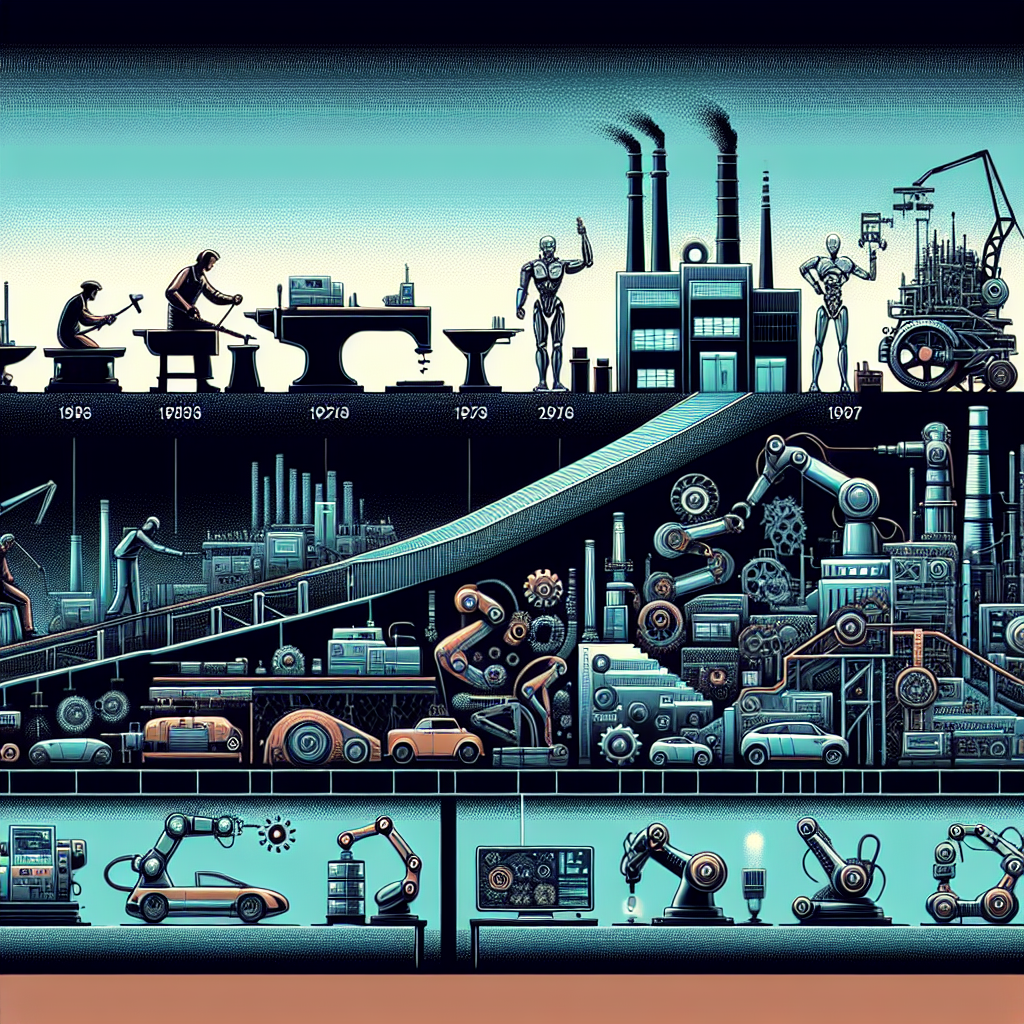
The Evolution of AI-Enhanced Manufacturing Processes
Artificial Intelligence (AI) has been revolutionizing the manufacturing industry in recent years, with a wide range of applications that have transformed the way products are designed, produced, and monitored. From predictive maintenance to quality control, AI-enhanced manufacturing processes are helping companies improve efficiency, reduce costs, and enhance product quality. In this article, we will explore the evolution of AI in manufacturing and how it is shaping the future of the industry.
Evolution of AI in Manufacturing
AI technology has been gradually making its way into manufacturing processes over the past few decades. Initially, AI was primarily used for simple tasks such as data analysis and process automation. However, as AI technology advanced, its applications in manufacturing became more sophisticated and far-reaching.
One of the key areas where AI has had a significant impact is in predictive maintenance. By using machine learning algorithms to analyze data from sensors and other sources, manufacturers can predict when equipment is likely to fail and take proactive measures to prevent downtime. This not only saves money by reducing maintenance costs but also improves overall efficiency and productivity.
Another important application of AI in manufacturing is in quality control. AI algorithms can analyze images, videos, and other data to detect defects in products with greater accuracy and speed than human inspectors. This helps manufacturers identify issues early in the production process and make necessary adjustments to improve product quality.
AI is also being used to optimize production processes by analyzing data from sensors and other sources to identify inefficiencies and bottlenecks. By optimizing production schedules and resource allocation, manufacturers can reduce waste, improve throughput, and increase profitability.
Overall, the evolution of AI in manufacturing has been driven by advancements in machine learning, big data analytics, and sensor technology. These technologies have enabled manufacturers to collect and analyze vast amounts of data in real-time, allowing them to make more informed decisions and optimize their operations.
Challenges and Opportunities
While AI-enhanced manufacturing processes offer many benefits, they also present challenges that need to be addressed. One of the main challenges is the need for skilled workers who can develop and deploy AI solutions in manufacturing settings. Companies need to invest in training and upskilling their workforce to ensure they have the necessary skills to leverage AI technology effectively.
Another challenge is data security and privacy. As manufacturers collect and analyze more data using AI, they need to ensure that sensitive information is protected from cyber threats and unauthorized access. Implementing robust cybersecurity measures and compliance with data protection regulations is essential to safeguard data and maintain trust with customers.
Despite these challenges, AI-enhanced manufacturing processes also present numerous opportunities for companies to improve their operations and gain a competitive advantage. By harnessing the power of AI to optimize production processes, reduce costs, and enhance product quality, manufacturers can increase their efficiency and profitability.
FAQs
Q: What are some common applications of AI in manufacturing?
A: Some common applications of AI in manufacturing include predictive maintenance, quality control, production optimization, and supply chain management.
Q: How can AI help manufacturers improve product quality?
A: AI can help manufacturers improve product quality by detecting defects early in the production process, optimizing production processes to reduce waste, and ensuring consistent quality standards are met.
Q: What are some challenges of implementing AI in manufacturing?
A: Some challenges of implementing AI in manufacturing include the need for skilled workers, data security and privacy concerns, and the complexity of integrating AI technology with existing systems and processes.
Q: How can manufacturers ensure data security and privacy when using AI?
A: Manufacturers can ensure data security and privacy when using AI by implementing robust cybersecurity measures, encrypting sensitive data, and complying with data protection regulations.
Q: What are the benefits of AI-enhanced manufacturing processes?
A: The benefits of AI-enhanced manufacturing processes include improved efficiency, reduced costs, enhanced product quality, and increased profitability.
In conclusion, AI-enhanced manufacturing processes are revolutionizing the industry by enabling companies to optimize their operations, improve product quality, and gain a competitive edge. By harnessing the power of AI technology, manufacturers can transform their operations and drive innovation in the industry. As AI technology continues to advance, the future of manufacturing looks brighter than ever.