
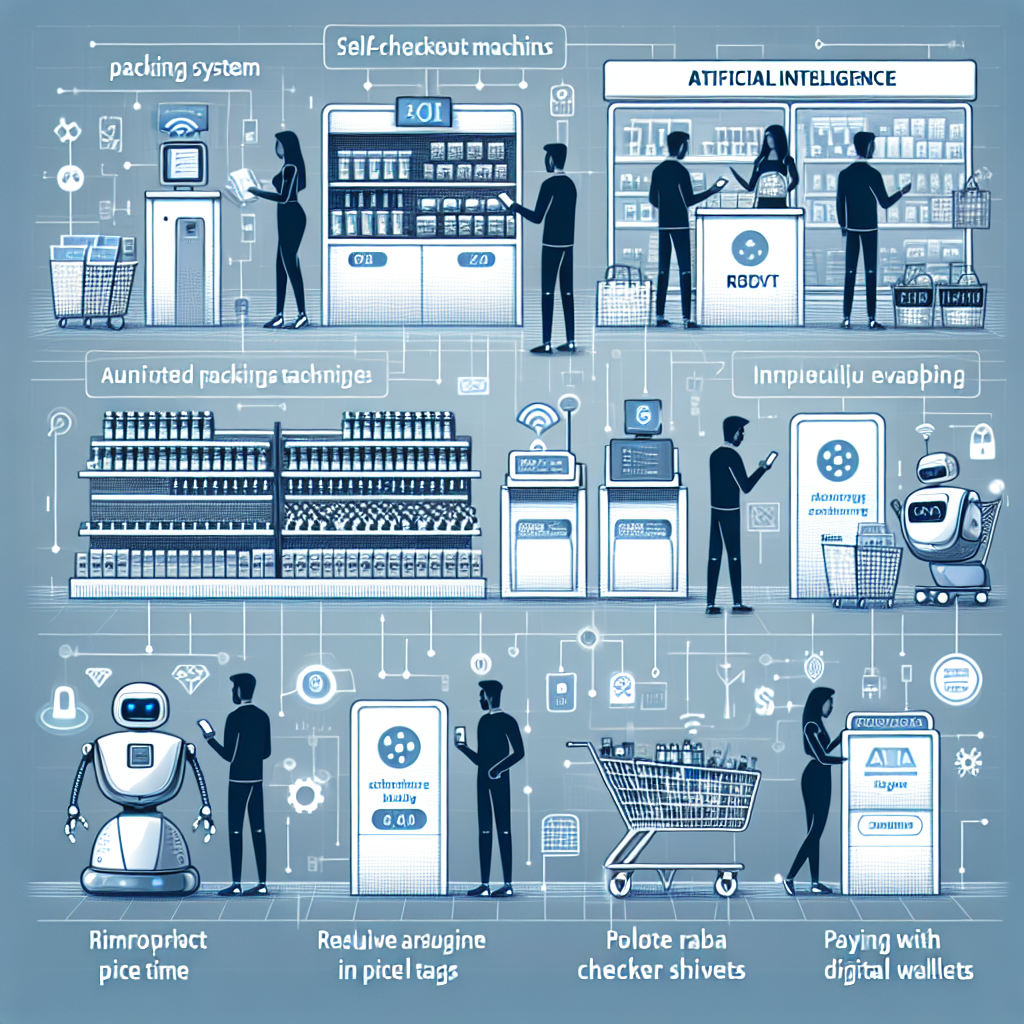
Artificial Intelligence (AI) automation is revolutionizing the retail industry, transforming the way businesses operate and interact with customers. From personalized shopping experiences to inventory management, AI technology is reshaping every aspect of retail. In this article, we will explore how AI automation is changing the retail landscape and the benefits it brings to businesses and consumers.
AI in Retail
AI automation is being used in various ways in the retail sector to improve efficiency, streamline operations, and enhance customer experiences. Some of the key areas where AI is making an impact in retail include:
1. Personalized Shopping Experiences: AI algorithms analyze customer data and behavior to create personalized shopping experiences. By understanding customer preferences, AI can recommend products, tailor promotions, and deliver targeted marketing campaigns.
2. Inventory Management: AI-powered tools can forecast demand, optimize inventory levels, and automate replenishment processes. This helps retailers reduce stockouts, minimize overstocking, and improve inventory turnover.
3. Customer Service: AI chatbots and virtual assistants are being used to provide round-the-clock customer support, answer queries, and resolve issues. These AI-powered tools can handle a large volume of customer interactions efficiently and effectively.
4. Pricing Optimization: AI algorithms can analyze competitive pricing, demand trends, and market conditions to optimize pricing strategies. This helps retailers stay competitive, maximize profits, and attract price-sensitive customers.
5. Fraud Detection: AI technology can detect and prevent fraudulent activities such as payment fraud, account takeover, and identity theft. By analyzing transaction data in real-time, AI systems can flag suspicious activities and take immediate action.
6. Supply Chain Management: AI automation is being used to optimize supply chain operations, track shipments, and improve logistics efficiency. By leveraging AI technology, retailers can reduce costs, minimize delays, and enhance overall supply chain performance.
Benefits of AI Automation in Retail
The adoption of AI automation in retail offers several benefits for businesses and consumers alike. Some of the key advantages of AI technology in the retail sector include:
1. Improved Customer Experiences: AI-powered tools enable retailers to deliver personalized and seamless shopping experiences to customers. By understanding customer preferences and behavior, retailers can offer relevant product recommendations, personalized promotions, and tailored communication.
2. Enhanced Operational Efficiency: AI automation helps retailers streamline operations, optimize processes, and reduce manual tasks. By automating routine activities such as inventory management, pricing optimization, and customer service, retailers can focus on strategic initiatives and business growth.
3. Increased Sales and Revenue: AI technology can drive sales growth by optimizing pricing strategies, improving product recommendations, and enhancing customer engagement. By leveraging AI-powered tools, retailers can attract new customers, increase customer retention, and boost revenue.
4. Cost Savings: AI automation helps retailers reduce costs by automating repetitive tasks, optimizing processes, and minimizing errors. By leveraging AI technology, retailers can improve operational efficiency, reduce labor costs, and enhance overall profitability.
5. Competitive Advantage: AI technology gives retailers a competitive edge by enabling them to offer personalized experiences, optimize pricing strategies, and improve supply chain efficiency. By embracing AI automation, retailers can differentiate themselves from competitors, attract new customers, and retain existing ones.
FAQs
Q: How can AI automation improve inventory management in retail?
A: AI-powered tools can forecast demand, optimize inventory levels, and automate replenishment processes. By analyzing historical sales data, customer behavior, and market trends, AI algorithms can predict future demand, reduce stockouts, and minimize overstocking.
Q: How can AI technology enhance customer service in retail?
A: AI chatbots and virtual assistants can provide round-the-clock customer support, answer queries, and resolve issues. By leveraging AI technology, retailers can deliver personalized and efficient customer service, improve response times, and enhance overall customer satisfaction.
Q: How can AI automation drive sales growth in retail?
A: AI technology can drive sales growth by optimizing pricing strategies, improving product recommendations, and enhancing customer engagement. By leveraging AI-powered tools, retailers can attract new customers, increase customer retention, and boost revenue.
Q: How can AI technology improve supply chain management in retail?
A: AI automation is being used to optimize supply chain operations, track shipments, and improve logistics efficiency. By analyzing supply chain data in real-time, AI systems can identify bottlenecks, minimize delays, and enhance overall supply chain performance.
In conclusion, AI automation is reshaping the retail industry by enabling businesses to deliver personalized experiences, streamline operations, and enhance customer engagement. By leveraging AI technology, retailers can improve inventory management, optimize pricing strategies, and enhance supply chain efficiency. The adoption of AI automation in retail offers several benefits, including improved customer experiences, increased sales and revenue, and cost savings. As AI technology continues to evolve, retailers must embrace AI automation to stay competitive, drive growth, and meet the evolving needs of customers.