
Waste management and recycling are critical issues facing our society today. With the increasing population and urbanization, the amount of waste generated is growing rapidly, leading to environmental pollution and resource depletion. Traditional waste management methods are no longer sufficient to handle the volume of waste being produced, and new solutions are needed to address this growing problem. One such solution is leveraging artificial intelligence (AI) to improve waste management and recycling processes.
AI has the potential to revolutionize waste management and recycling by increasing efficiency, reducing costs, and improving environmental outcomes. By using AI-powered technologies such as machine learning, robotics, and data analytics, waste management companies can optimize their operations, improve recycling rates, and reduce the environmental impact of waste disposal.
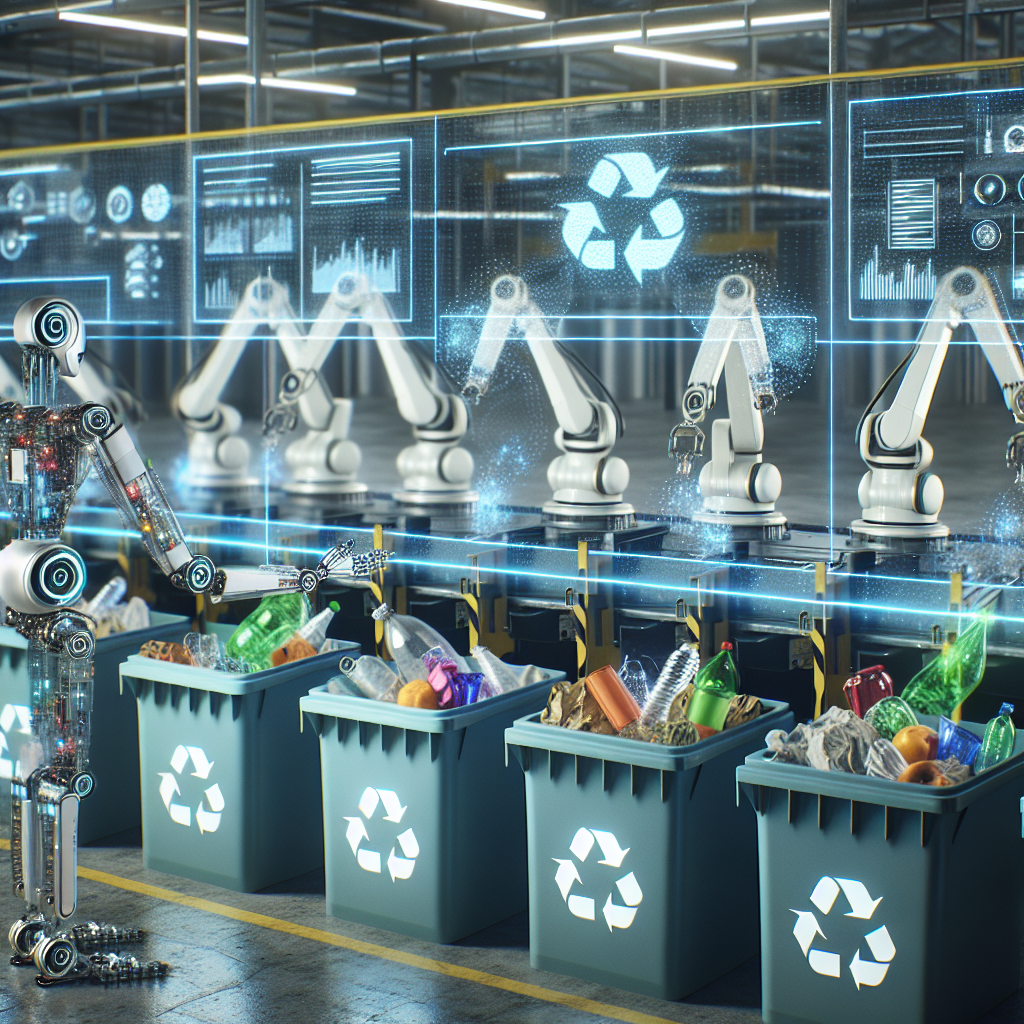
One of the key areas where AI can make a significant impact is in waste sorting. Sorting waste is a labor-intensive and time-consuming process that is prone to errors. AI-powered robots can be used to automate the sorting process, using computer vision technology to identify and separate different types of waste quickly and accurately. This not only increases the efficiency of the sorting process but also improves the quality of the recycled materials, leading to higher recycling rates and reduced waste sent to landfills.
AI can also be used to optimize waste collection routes, reducing the time and fuel required for waste collection trucks to travel between locations. By analyzing data on waste generation patterns, traffic conditions, and other factors, AI algorithms can generate optimized collection routes that minimize travel time and fuel consumption. This not only reduces costs for waste management companies but also reduces carbon emissions and traffic congestion in urban areas.
Another area where AI can be leveraged for waste management is in predictive maintenance. By using sensors and data analytics, AI systems can monitor the condition of waste management equipment in real-time and predict when maintenance is needed before a breakdown occurs. This proactive approach to maintenance can prevent costly equipment failures, reduce downtime, and improve the overall efficiency of waste management operations.
Furthermore, AI can be used to optimize recycling processes by analyzing data on the composition of waste streams, identifying materials that are suitable for recycling, and developing recycling strategies that maximize the recovery of valuable materials. By using AI to improve recycling processes, waste management companies can increase the value of recycled materials, reduce the amount of waste sent to landfills, and create a more sustainable and circular economy.
In addition to improving waste management and recycling processes, AI can also be used to educate and engage the public in sustainable waste management practices. By using AI-powered chatbots, mobile apps, and social media platforms, waste management companies can provide information and guidance on how to reduce waste, recycle properly, and adopt sustainable behaviors. This can help raise awareness about the importance of waste management and recycling, encourage individuals to take action, and build a more environmentally conscious society.
Overall, leveraging AI for improved waste management and recycling has the potential to transform the way we manage waste, reduce our environmental impact, and create a more sustainable future. By harnessing the power of AI technologies, waste management companies can increase efficiency, reduce costs, improve recycling rates, and engage the public in sustainable waste management practices. The possibilities are endless, and the benefits are clear – AI has the potential to revolutionize waste management and recycling for the better.
FAQs:
Q: How can AI improve waste sorting processes?
A: AI-powered robots can automate the sorting process using computer vision technology to identify and separate different types of waste quickly and accurately, leading to higher recycling rates and reduced waste sent to landfills.
Q: How can AI optimize waste collection routes?
A: AI algorithms can analyze data on waste generation patterns, traffic conditions, and other factors to generate optimized collection routes that minimize travel time and fuel consumption, reducing costs and carbon emissions.
Q: How can AI be used for predictive maintenance in waste management?
A: By using sensors and data analytics, AI systems can monitor the condition of waste management equipment in real-time and predict when maintenance is needed before a breakdown occurs, preventing costly equipment failures and downtime.
Q: How can AI improve recycling processes?
A: AI can analyze data on the composition of waste streams, identify materials suitable for recycling, and develop recycling strategies that maximize the recovery of valuable materials, increasing the value of recycled materials and reducing waste sent to landfills.
Q: How can AI engage the public in sustainable waste management practices?
A: AI-powered chatbots, mobile apps, and social media platforms can provide information and guidance on how to reduce waste, recycle properly, and adopt sustainable behaviors, raising awareness and encouraging individuals to take action.