
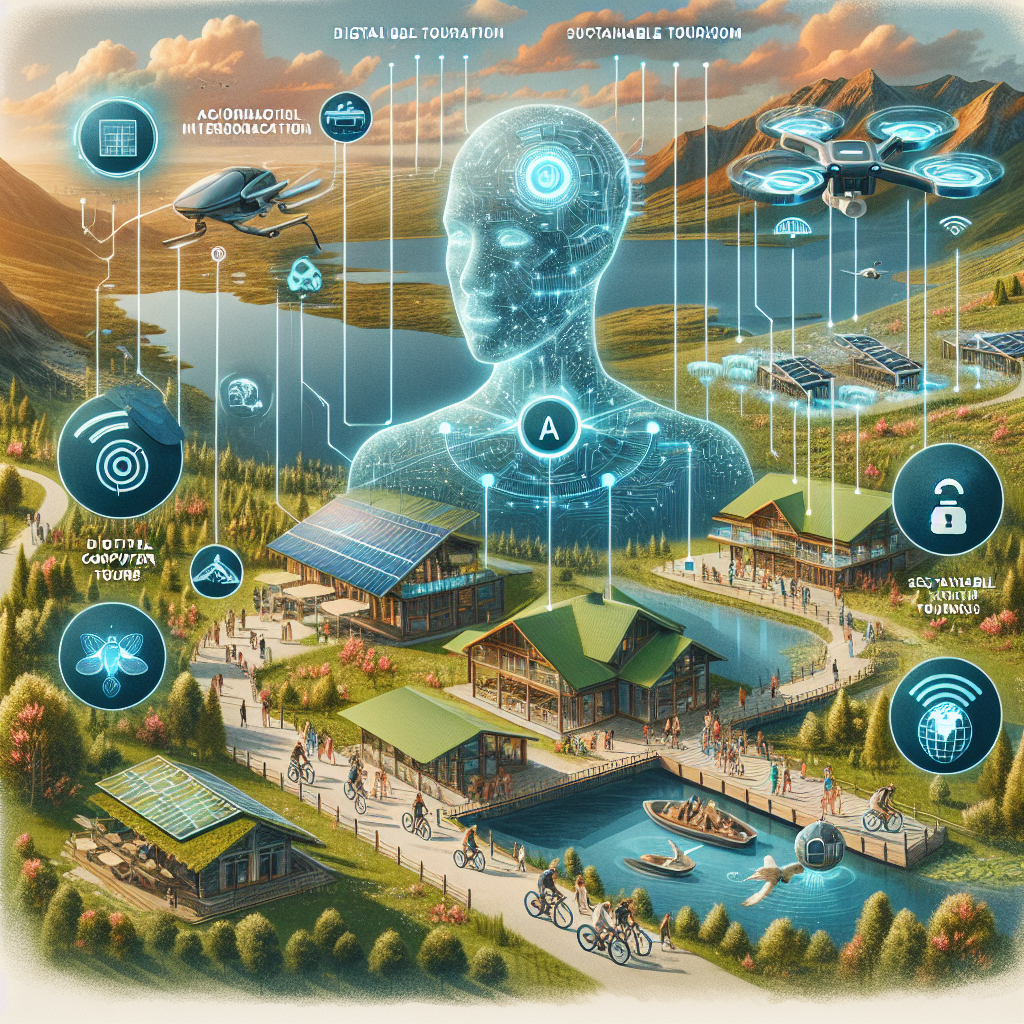
The Potential of AI in Promoting Sustainable Tourism Practices
With the increasing awareness of the impact of tourism on the environment and local communities, the need for sustainable practices in the tourism industry has become more pressing than ever. One of the key technologies that can help in promoting sustainable tourism practices is Artificial Intelligence (AI). AI has the potential to revolutionize the way we plan, manage, and experience tourism, making it more sustainable and responsible. In this article, we will explore the various ways in which AI can be used to promote sustainable tourism practices and discuss the potential benefits that it can bring to the industry.
1. Data Analysis and Predictive Analytics
One of the key areas where AI can make a significant impact in promoting sustainable tourism practices is in data analysis and predictive analytics. By analyzing vast amounts of data from various sources, AI can help tourism organizations and destinations better understand tourist behavior, preferences, and trends. This information can then be used to develop more sustainable and responsible tourism strategies.
For example, AI can analyze data from social media platforms to understand the impact of tourism on local communities and natural environments. By identifying patterns and trends in tourist behavior, AI can help destinations better manage visitor flows, reduce overcrowding in popular tourist sites, and promote more responsible tourism practices.
2. Personalized Recommendations
AI can also help in promoting sustainable tourism practices by providing personalized recommendations to travelers. By analyzing individual preferences and behaviors, AI can suggest travel options that are more sustainable and environmentally friendly. For example, AI-powered travel platforms can recommend eco-friendly accommodations, transportation options, and activities that align with a traveler’s values and preferences.
3. Smart Destination Management
AI can also be used to improve destination management and infrastructure planning. By analyzing data on visitor flows, traffic patterns, and environmental impact, AI can help destinations better manage resources, reduce waste, and improve sustainability. For example, AI-powered systems can optimize transportation routes, energy consumption, and waste management processes to minimize environmental impact and promote sustainable practices.
4. Enhanced Customer Experience
AI can also enhance the overall customer experience in tourism by providing personalized and interactive services. For example, AI-powered chatbots can provide real-time assistance to travelers, answering their questions, providing recommendations, and helping them navigate unfamiliar destinations. This can help reduce the environmental impact of tourism by encouraging more sustainable travel behavior, such as using public transportation or choosing eco-friendly accommodations.
5. Monitoring and Compliance
AI can also help in monitoring and enforcing compliance with sustainability standards and regulations. By analyzing data from various sources, AI can identify potential violations of environmental laws, labor practices, and ethical standards in the tourism industry. This can help prevent negative impacts on local communities and natural environments, promoting more responsible tourism practices.
FAQs
Q: How can AI help in promoting sustainable tourism practices?
A: AI can help in promoting sustainable tourism practices by analyzing data, providing personalized recommendations, improving destination management, enhancing customer experience, and monitoring compliance with sustainability standards.
Q: Can AI help reduce the environmental impact of tourism?
A: Yes, AI can help reduce the environmental impact of tourism by promoting more sustainable travel behavior, optimizing resource management, and monitoring compliance with environmental regulations.
Q: How can AI benefit the tourism industry?
A: AI can benefit the tourism industry by improving efficiency, enhancing customer experience, promoting sustainability, and optimizing resource management.
Q: What are some examples of AI applications in the tourism industry?
A: Some examples of AI applications in the tourism industry include personalized recommendations, smart destination management, data analysis, chatbots, and compliance monitoring.
In conclusion, AI has the potential to revolutionize the tourism industry and promote more sustainable and responsible practices. By analyzing data, providing personalized recommendations, improving destination management, enhancing customer experience, and monitoring compliance, AI can help reduce the environmental impact of tourism and promote more sustainable travel behavior. As the tourism industry continues to grow, AI will play an increasingly important role in shaping its future and ensuring that it remains sustainable and responsible for generations to come.