
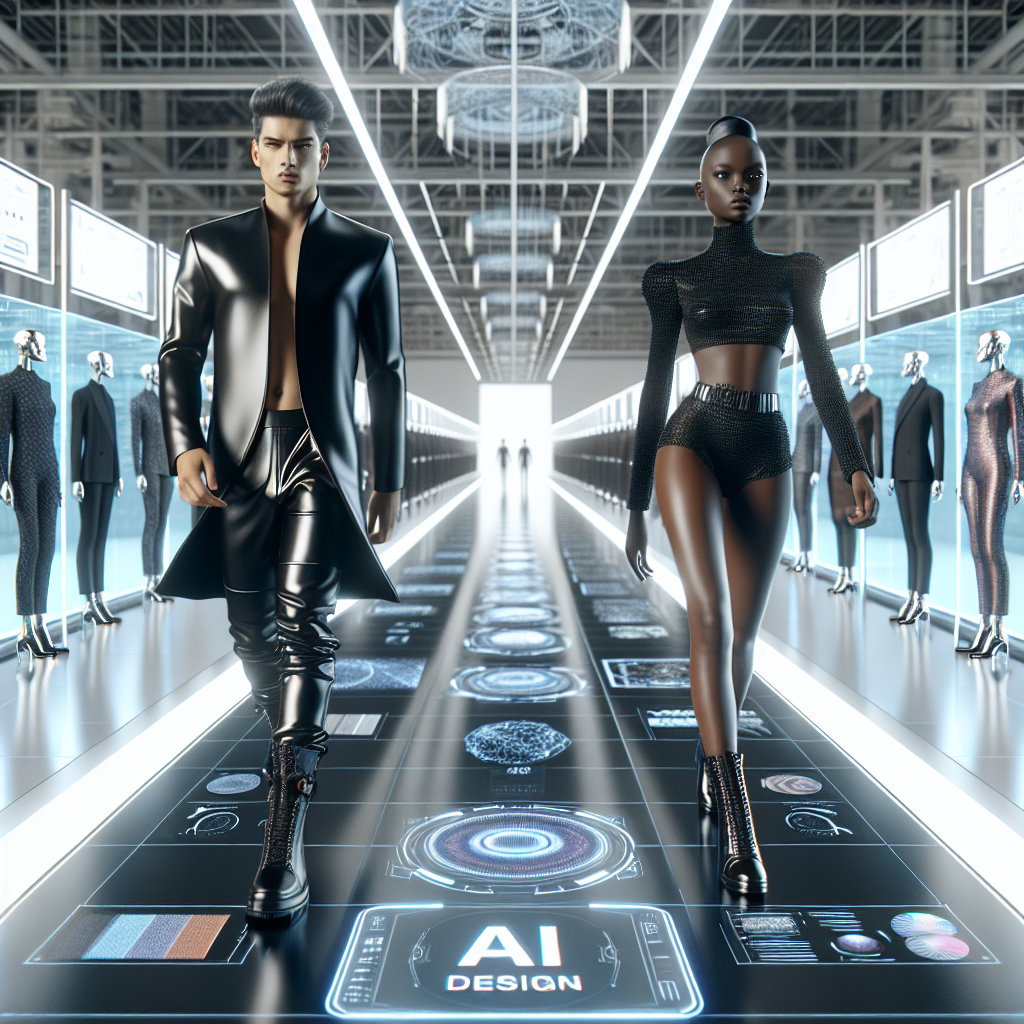
The fashion industry has always been at the forefront of innovation and technology, constantly evolving to meet the demands of consumers and stay ahead of the competition. In recent years, artificial intelligence (AI) has emerged as a game-changer in the fashion world, revolutionizing the way brands design, produce, market, and sell their products. As we move into 2022, here are some trends to watch in the AI revolution in fashion.
1. Personalized Shopping Experiences
One of the most significant impacts of AI in the fashion industry is the ability to create personalized shopping experiences for consumers. AI algorithms analyze customer data, such as browsing history, purchase behavior, and social media activity, to provide personalized product recommendations and styling suggestions. This level of personalization not only improves the shopping experience for consumers but also helps brands increase sales and build customer loyalty.
2. Virtual Try-On Technology
Virtual try-on technology is becoming increasingly popular in the fashion industry, allowing consumers to try on clothes, shoes, and accessories virtually before making a purchase. AI-powered virtual fitting rooms use body scanning technology to create a 3D model of the customer’s body, enabling them to see how different items will look on them in real-time. This technology not only reduces the need for physical store visits but also helps customers make more informed purchasing decisions.
3. Sustainable Fashion
Sustainability is a growing concern in the fashion industry, with consumers becoming more conscious of the environmental impact of their purchases. AI is being used to drive sustainability initiatives in the fashion industry, from optimizing supply chain logistics to reducing waste in the production process. AI algorithms can analyze data to identify areas where brands can reduce their carbon footprint and improve their overall sustainability efforts.
4. Trend Forecasting
AI is revolutionizing trend forecasting in the fashion industry, helping brands stay ahead of the curve and predict upcoming trends with greater accuracy. AI algorithms can analyze vast amounts of data from social media, fashion blogs, and e-commerce platforms to identify emerging trends and consumer preferences. This real-time data analysis allows brands to quickly adjust their product offerings and marketing strategies to capitalize on new trends.
5. Influencer Marketing
Influencer marketing has become a powerful tool for brands to reach their target audience and increase brand awareness. AI is being used to identify the most relevant influencers for a brand based on factors such as audience demographics, engagement rates, and brand alignment. AI algorithms can also track the performance of influencer campaigns in real-time, providing brands with valuable insights into the effectiveness of their marketing efforts.
6. Supply Chain Optimization
AI is transforming the supply chain in the fashion industry, helping brands streamline operations, reduce costs, and improve efficiency. AI-powered supply chain management systems can predict demand, optimize inventory levels, and automate production processes. This level of automation not only reduces the risk of human error but also allows brands to respond quickly to changing market conditions and customer preferences.
7. Chatbots and Customer Service
AI-powered chatbots are revolutionizing customer service in the fashion industry, providing consumers with instant support and personalized recommendations. Chatbots can assist customers with product inquiries, sizing questions, and order tracking, enhancing the overall shopping experience. AI algorithms can also analyze customer interactions with chatbots to identify areas for improvement and optimize the customer service process.
8. Data Security and Privacy
As AI continues to play a larger role in the fashion industry, data security and privacy have become major concerns for consumers. Brands must ensure that customer data is protected and used responsibly, complying with data protection regulations such as GDPR. AI algorithms can help brands identify and mitigate potential security risks, such as data breaches or cyberattacks, to protect customer information and build trust with consumers.
In conclusion, the AI revolution in fashion is transforming the industry in unprecedented ways, from personalized shopping experiences to sustainable fashion initiatives. As we move into 2022, these trends are expected to continue shaping the future of fashion, providing brands with new opportunities to innovate and connect with consumers. By embracing AI technology and staying ahead of the curve, fashion brands can position themselves for success in an increasingly competitive market.
FAQs
Q: How is AI being used in fashion design?
A: AI is being used in fashion design to create digital sketches, generate new design ideas, and optimize the design process. AI algorithms can analyze historical design data and consumer preferences to help designers create innovative and trend-driven collections.
Q: What are the benefits of virtual try-on technology for consumers?
A: Virtual try-on technology allows consumers to try on clothes virtually, saving them time and reducing the need for physical store visits. This technology also helps consumers make more informed purchasing decisions by seeing how different items will look on them before making a purchase.
Q: How does AI help with trend forecasting in the fashion industry?
A: AI algorithms analyze vast amounts of data from social media, fashion blogs, and e-commerce platforms to identify emerging trends and consumer preferences. This real-time data analysis allows brands to predict upcoming trends with greater accuracy and adjust their product offerings accordingly.
Q: How can brands use AI to improve sustainability efforts?
A: AI can help brands improve their sustainability efforts by optimizing supply chain logistics, reducing waste in the production process, and identifying areas where brands can reduce their carbon footprint. AI algorithms can analyze data to provide brands with insights into how they can become more sustainable.
Q: What are some examples of AI-powered chatbots in the fashion industry?
A: AI-powered chatbots are used in the fashion industry to assist customers with product inquiries, sizing questions, and order tracking. Chatbots can provide instant support and personalized recommendations, enhancing the overall shopping experience for consumers.