
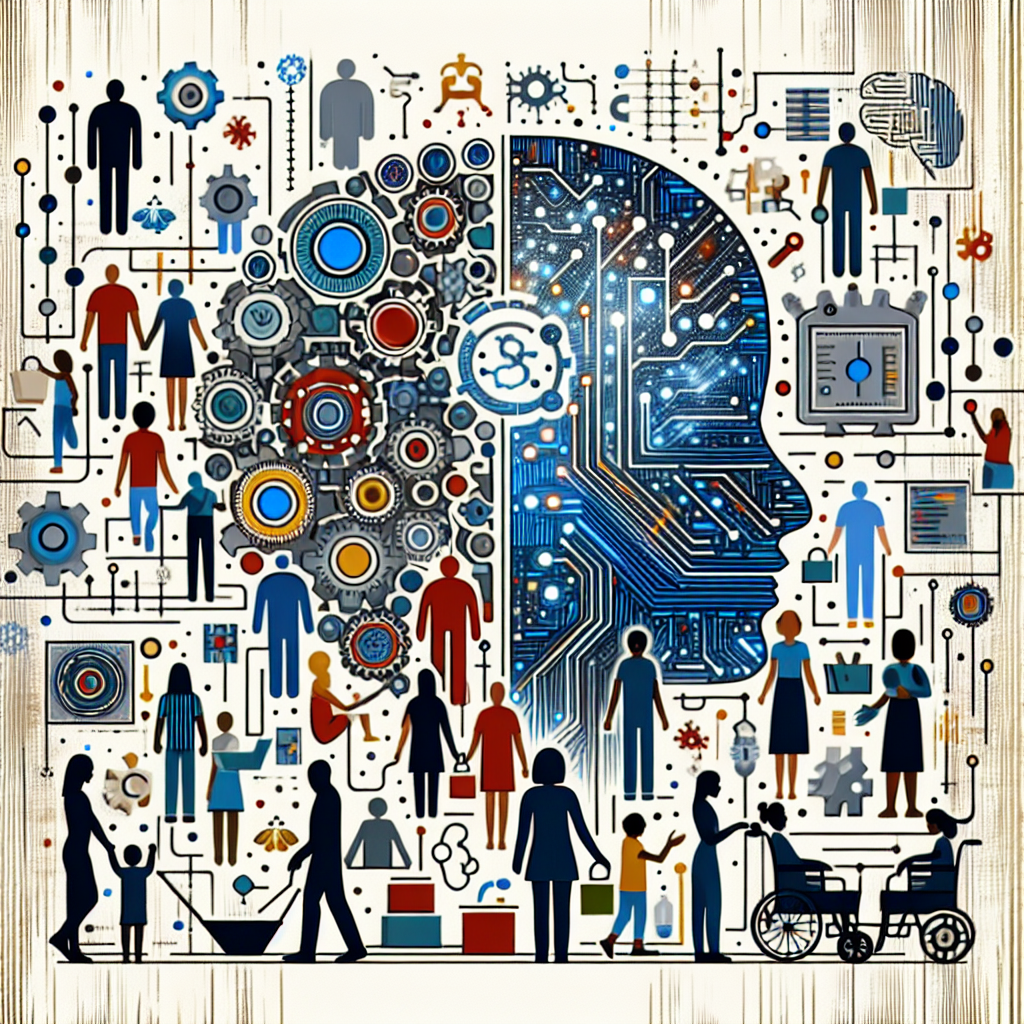
Artificial Intelligence (AI) has become a game-changer in various industries, revolutionizing the way organizations engage with their communities. In the realm of volunteer engagement, AI has the potential to enhance community outreach, streamline processes, and optimize volunteer experiences. By leveraging AI technology, organizations can connect with volunteers more effectively, match them with the right opportunities, and ultimately make a greater impact in their communities.
One of the key ways AI is transforming volunteer engagement is through the use of chatbots. These virtual assistants can provide real-time support to volunteers, answering their questions, guiding them through the registration process, and even matching them with volunteer opportunities based on their skills and interests. Chatbots can be integrated into a website or social media platform, making it easier for volunteers to get the information they need and get involved in community service.
Another way AI is enhancing volunteer engagement is through data analytics. By analyzing data on volunteer preferences, behavior, and impact, organizations can gain valuable insights into how to better engage with volunteers and maximize their contributions. AI algorithms can help identify trends, patterns, and opportunities for improvement, allowing organizations to tailor their volunteer programs to meet the needs of their community.
AI can also help organizations automate routine tasks, such as scheduling, communication, and reporting, freeing up staff to focus on more strategic initiatives. By streamlining processes and reducing administrative burden, AI enables organizations to scale their volunteer programs and reach a larger audience.
Furthermore, AI can facilitate personalized volunteer experiences, matching volunteers with opportunities that align with their skills, interests, and availability. By using AI-powered recommendation engines, organizations can create a more tailored and engaging volunteer experience, increasing retention rates and overall satisfaction.
Overall, AI has the potential to revolutionize volunteer engagement, making it easier for organizations to connect with volunteers, maximize their impact, and build stronger communities. By embracing AI technology, organizations can enhance their community outreach efforts and create meaningful opportunities for volunteers to give back.
FAQs:
Q: How can AI help organizations connect with volunteers more effectively?
A: AI can help organizations connect with volunteers more effectively by providing real-time support through chatbots, analyzing data on volunteer preferences, behaviors, and impact, and automating routine tasks to streamline processes.
Q: How can AI improve the volunteer experience?
A: AI can improve the volunteer experience by matching volunteers with opportunities that align with their skills, interests, and availability, providing personalized recommendations, and automating tasks to free up staff to focus on more strategic initiatives.
Q: What are some examples of organizations using AI to enhance volunteer engagement?
A: Some examples of organizations using AI to enhance volunteer engagement include United Way, which uses chatbots to connect volunteers with opportunities, and Habitat for Humanity, which uses data analytics to optimize volunteer programs.
Q: How can organizations get started with AI in volunteer engagement?
A: Organizations can get started with AI in volunteer engagement by identifying their goals and objectives, exploring AI tools and technologies, and partnering with experts to implement AI solutions that align with their needs.
In conclusion, AI has the potential to transform volunteer engagement, enhancing community outreach and creating more meaningful opportunities for volunteers to give back. By leveraging AI technology, organizations can connect with volunteers more effectively, improve the volunteer experience, and ultimately make a greater impact in their communities. Embracing AI in volunteer engagement is key to building stronger communities and creating a more sustainable future for all.