
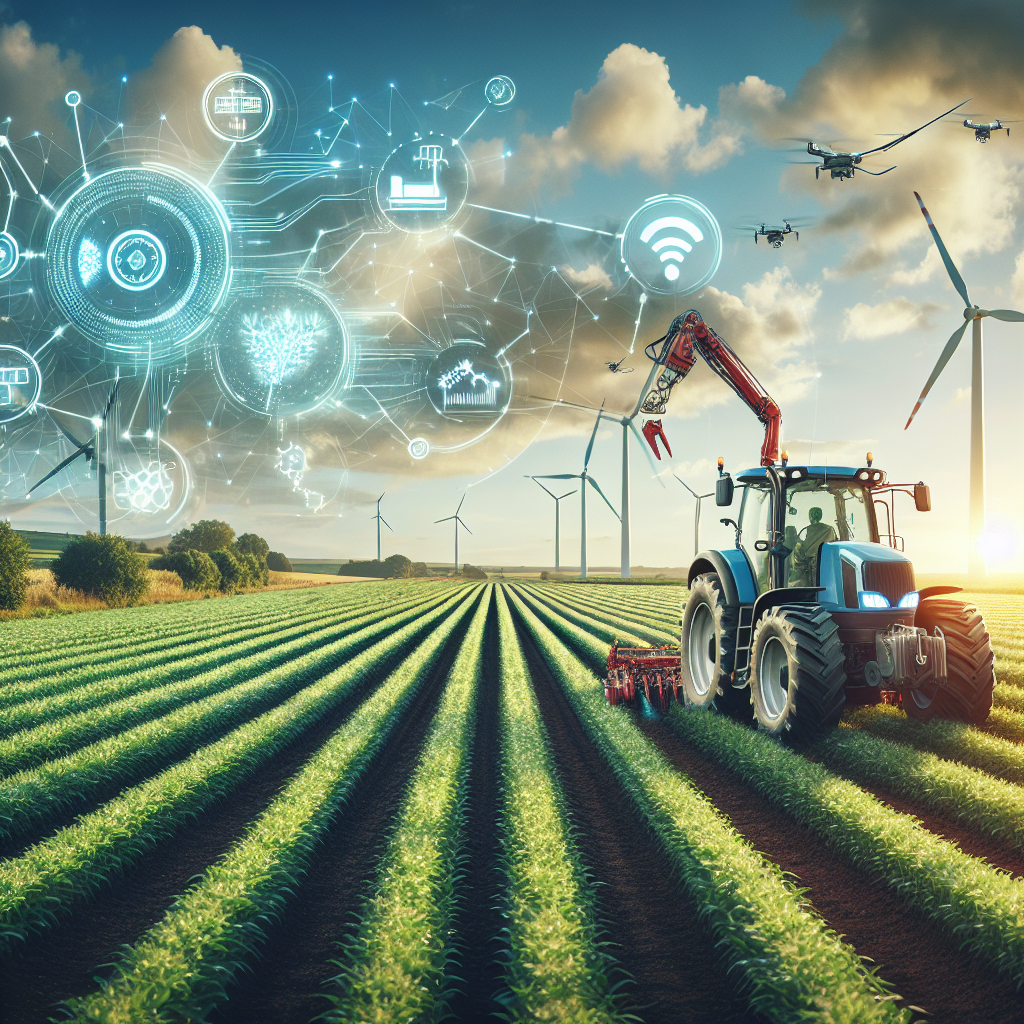
The agricultural sector has always been at the forefront of adopting new technologies to improve efficiency and productivity. In recent years, there has been a significant increase in the use of artificial intelligence (AI) software in agriculture, with the potential to revolutionize the way farmers manage their operations. AI software can help farmers make data-driven decisions, optimize resource allocation, and improve crop yields. In this article, we will explore the potential of AI software in agriculture and how it is changing the industry.
What is AI software in agriculture?
AI software in agriculture refers to the use of artificial intelligence technologies such as machine learning, computer vision, and natural language processing to help farmers make better decisions and improve their operations. These technologies can analyze large amounts of data, such as weather patterns, soil conditions, and crop health, to provide insights that can help farmers optimize their farming practices.
One of the key benefits of AI software in agriculture is its ability to process and analyze data in real-time, allowing farmers to make quick decisions based on up-to-date information. This can help farmers improve crop yields, reduce waste, and increase overall efficiency.
How is AI software being used in agriculture?
AI software is being used in a variety of ways in agriculture, from crop monitoring and pest detection to predictive analytics and autonomous farming. Some of the key applications of AI software in agriculture include:
1. Crop monitoring: AI software can analyze satellite imagery and drone data to monitor crop health and identify areas that may need attention, such as irrigation or fertilizer. This can help farmers optimize their farming practices and improve crop yields.
2. Pest detection: AI software can analyze images of crops to detect early signs of pest infestations or diseases. This can help farmers take action quickly to prevent the spread of pests and protect their crops.
3. Predictive analytics: AI software can analyze historical data on weather patterns, soil conditions, and crop yields to predict future outcomes and help farmers make informed decisions about planting, harvesting, and resource allocation.
4. Autonomous farming: AI software can be used to control autonomous farming equipment, such as tractors and drones, to perform tasks such as planting, spraying, and harvesting. This can help farmers reduce labor costs and increase efficiency.
What are the benefits of using AI software in agriculture?
There are several benefits to using AI software in agriculture, including:
1. Improved decision-making: AI software can analyze large amounts of data and provide insights that can help farmers make better decisions about their farming practices.
2. Increased efficiency: AI software can help farmers optimize resource allocation, reduce waste, and increase overall efficiency in their operations.
3. Higher crop yields: By monitoring crop health, predicting outcomes, and detecting pests early, AI software can help farmers improve crop yields and maximize profits.
4. Reduced environmental impact: AI software can help farmers use resources more efficiently, reducing the environmental impact of agriculture and promoting sustainable farming practices.
What are the challenges of using AI software in agriculture?
While there are many benefits to using AI software in agriculture, there are also some challenges that farmers may face when adopting these technologies. Some of the key challenges include:
1. Cost: AI software can be expensive to implement and maintain, especially for small-scale farmers who may not have the resources to invest in these technologies.
2. Data privacy: AI software relies on large amounts of data to function effectively, raising concerns about data privacy and security for farmers who may be hesitant to share their data with third-party providers.
3. Technical expertise: Using AI software requires a certain level of technical expertise, which may be a barrier for some farmers who are not familiar with these technologies.
4. Integration with existing systems: Integrating AI software with existing farming systems and equipment can be challenging, requiring farmers to invest time and resources in training and implementation.
Despite these challenges, the potential benefits of using AI software in agriculture are significant, and many farmers are already seeing positive results from implementing these technologies in their operations.
FAQs
1. How can AI software help farmers improve crop yields?
AI software can help farmers improve crop yields by analyzing data on weather patterns, soil conditions, and crop health to provide insights that can help farmers optimize their farming practices. By monitoring crop health, predicting outcomes, and detecting pests early, AI software can help farmers make data-driven decisions that can lead to higher crop yields and increased profits.
2. Is AI software only for large-scale farmers?
While AI software can be expensive to implement and maintain, there are also affordable options available for small-scale farmers who may not have the resources to invest in these technologies. Some companies offer AI software solutions specifically designed for small-scale farmers, making it easier for them to access the benefits of these technologies.
3. How can farmers ensure the security of their data when using AI software?
Farmers can ensure the security of their data when using AI software by working with reputable providers who have strong data privacy and security measures in place. It is important for farmers to carefully review the terms and conditions of any AI software providers they work with and to ask questions about how their data will be used and protected.
4. What are some examples of successful implementations of AI software in agriculture?
There are many examples of successful implementations of AI software in agriculture, including companies that use AI to monitor crop health, detect pests, and optimize resource allocation. One example is a company that uses AI software to analyze satellite imagery and drone data to monitor crop health and provide insights to farmers, helping them improve their farming practices and increase crop yields.
In conclusion, AI software has the potential to revolutionize the agricultural industry by helping farmers make better decisions, improve efficiency, and increase crop yields. While there are challenges to using AI software in agriculture, the benefits are significant and many farmers are already seeing positive results from implementing these technologies in their operations. By leveraging the power of AI software, farmers can optimize their farming practices, reduce waste, and improve overall productivity in a sustainable and environmentally friendly way.