
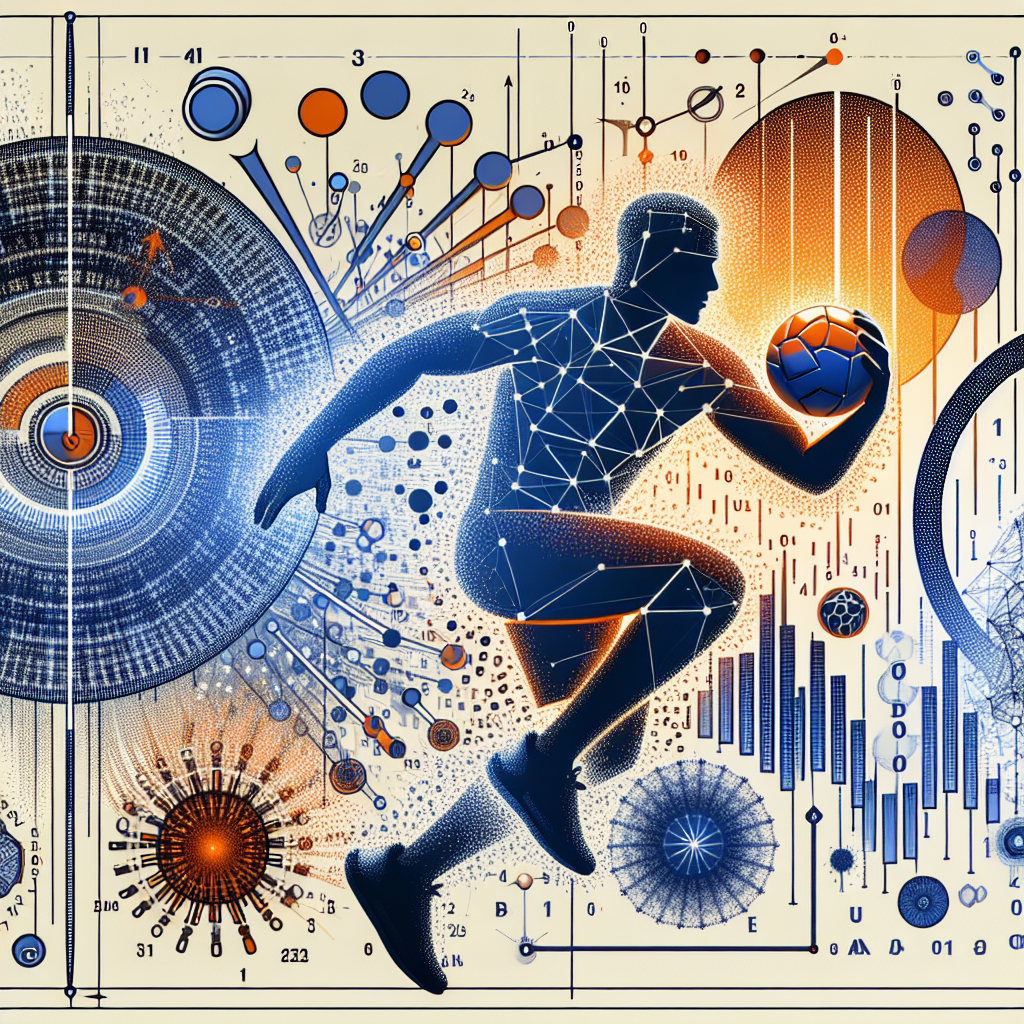
The Intersection of AI and Sports Psychology
Artificial Intelligence (AI) has been making significant strides in various industries, and the world of sports is no exception. The intersection of AI and sports psychology has opened up new possibilities for athletes, coaches, and sports organizations to improve performance, enhance training techniques, and gain a deeper understanding of the mental aspects of sports.
AI technologies such as machine learning, data analytics, and natural language processing are being used to collect and analyze vast amounts of data in sports, including player performance metrics, game statistics, and even social media sentiment analysis. This data is then used to generate insights, make predictions, and optimize training programs to help athletes reach their full potential.
One of the key areas where AI is being applied in sports psychology is in the analysis of player behavior and performance. By tracking and analyzing an athlete’s movements, reactions, and decision-making processes during training and competition, AI can provide valuable insights into their strengths, weaknesses, and areas for improvement.
For example, wearable devices equipped with sensors and AI algorithms can track an athlete’s physical movements and biomechanics in real-time, providing feedback on their technique, posture, and injury risk. This data can be used to tailor training programs, prevent injuries, and optimize performance.
AI is also being used to analyze player psychology and mental health in sports. By analyzing social media posts, interviews, and other forms of communication, AI algorithms can detect patterns in an athlete’s language, emotions, and mindset, providing valuable insights into their mental state and well-being.
This information can be used to identify signs of stress, anxiety, or other mental health issues, and provide targeted interventions such as counseling, mindfulness training, or stress management techniques to help athletes cope with the pressures of competition.
In addition to analyzing individual player performance, AI is also being used to optimize team dynamics and performance. By analyzing team interactions, communication patterns, and collaboration strategies, AI algorithms can identify areas of improvement and suggest strategies to enhance team cohesion, coordination, and performance.
For example, AI-powered chatbots can be used to facilitate communication and collaboration among team members, providing real-time feedback, suggestions, and motivational messages to enhance teamwork and cohesion.
Overall, the intersection of AI and sports psychology is revolutionizing the way athletes, coaches, and sports organizations approach performance optimization, mental health, and team dynamics. By leveraging the power of AI technologies, sports professionals can gain new insights, make data-driven decisions, and unlock the full potential of athletes and teams.
FAQs:
Q: How is AI being used to analyze player behavior in sports psychology?
A: AI technologies such as machine learning and data analytics are being used to analyze player movements, reactions, and decision-making processes during training and competition. Wearable devices equipped with sensors and AI algorithms can track an athlete’s physical movements and biomechanics in real-time, providing valuable insights into their technique, posture, and injury risk.
Q: How is AI being used to analyze player psychology in sports psychology?
A: AI algorithms can analyze social media posts, interviews, and other forms of communication to detect patterns in an athlete’s language, emotions, and mindset. This information can provide valuable insights into an athlete’s mental state and well-being, helping to identify signs of stress, anxiety, or other mental health issues.
Q: How is AI being used to optimize team dynamics in sports psychology?
A: AI algorithms can analyze team interactions, communication patterns, and collaboration strategies to identify areas of improvement and suggest strategies to enhance team cohesion, coordination, and performance. AI-powered chatbots can also facilitate communication and collaboration among team members, providing real-time feedback, suggestions, and motivational messages to enhance teamwork.