
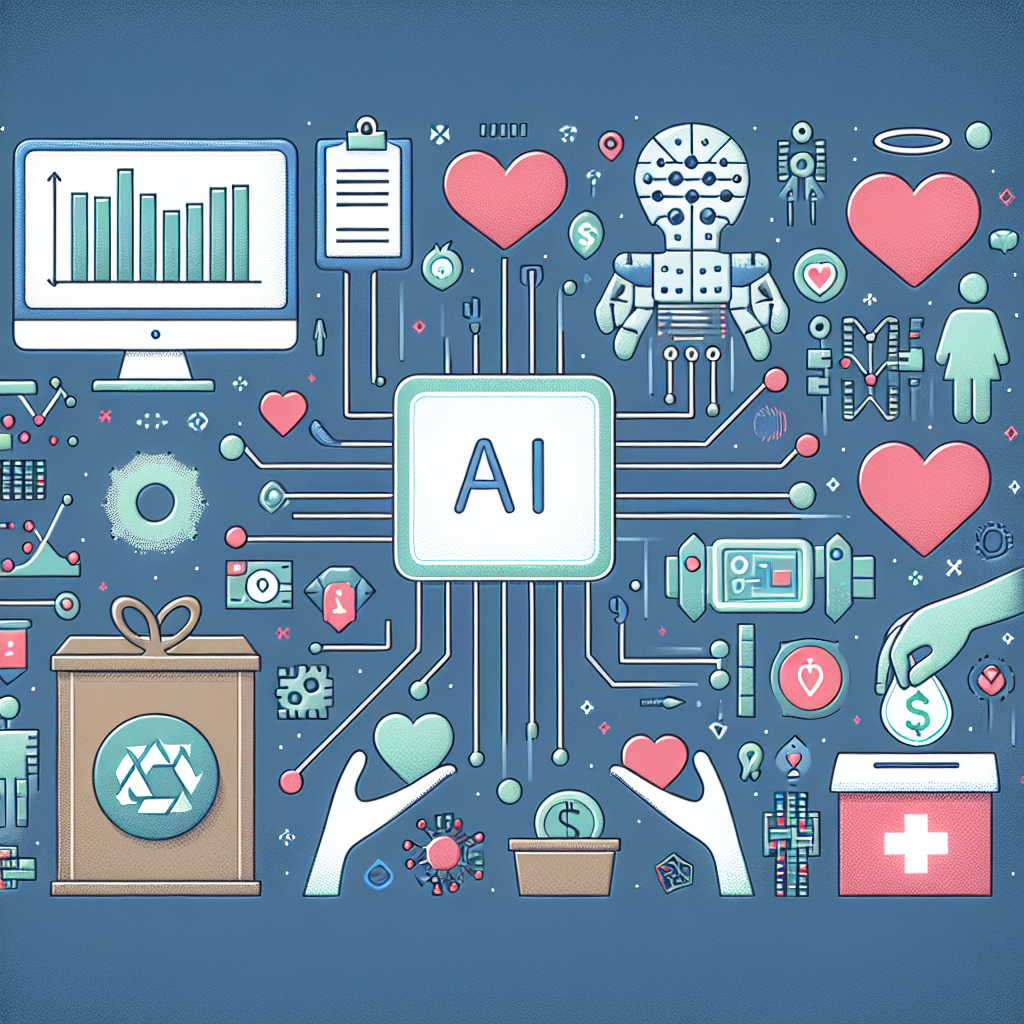
Philanthropy 2.0: AI Tools for Donor Engagement
In the world of philanthropy, donor engagement is key to the success of any organization. Building and maintaining relationships with donors is crucial for securing funding, creating partnerships, and ultimately making an impact in the community. With the advancement of technology, philanthropy has entered a new era known as Philanthropy 2.0. This new era is characterized by the use of AI tools for donor engagement, which have revolutionized the way organizations interact with their donors and supporters.
AI, or artificial intelligence, refers to the simulation of human intelligence processes by machines, particularly computer systems. In the context of philanthropy, AI tools are being used to streamline and personalize the donor experience, making it more efficient and effective for both the organization and the donor. These tools can help organizations analyze data, predict donor behavior, and automate communication, ultimately leading to stronger relationships and increased support.
One of the key benefits of using AI tools for donor engagement is the ability to personalize interactions with donors. By analyzing data on donor behavior, preferences, and giving history, organizations can tailor their communication and outreach efforts to better meet the needs and interests of each individual donor. This personalized approach not only helps to build stronger relationships with donors, but also increases the likelihood of securing donations and support.
Another important aspect of AI tools for donor engagement is the ability to predict donor behavior. By analyzing data on past giving patterns, demographics, and other factors, organizations can use AI algorithms to predict which donors are most likely to give, when they are likely to give, and how much they are likely to give. This predictive analysis can help organizations target their outreach efforts more effectively, maximizing their fundraising potential and increasing donor engagement.
In addition to personalization and prediction, AI tools can also help organizations automate communication with donors. By using chatbots, automated emails, and other AI-powered tools, organizations can engage with donors in real-time, providing instant responses to questions, updates on projects, and personalized messages. This automation not only saves time and resources for the organization, but also makes the donor experience more seamless and convenient.
Overall, the use of AI tools for donor engagement in philanthropy 2.0 has the potential to revolutionize the way organizations interact with their donors and supporters. By leveraging the power of AI to personalize interactions, predict donor behavior, and automate communication, organizations can build stronger relationships, increase fundraising potential, and ultimately make a greater impact in the community.
FAQs
Q: How can AI tools help organizations personalize interactions with donors?
A: AI tools can analyze data on donor behavior, preferences, and giving history to tailor communication and outreach efforts to meet the needs and interests of each individual donor.
Q: How can AI tools predict donor behavior?
A: By analyzing data on past giving patterns, demographics, and other factors, AI algorithms can predict which donors are most likely to give, when they are likely to give, and how much they are likely to give.
Q: How can AI tools automate communication with donors?
A: AI-powered tools such as chatbots and automated emails can engage with donors in real-time, providing instant responses to questions, updates on projects, and personalized messages.
Q: What are the benefits of using AI tools for donor engagement in philanthropy?
A: The benefits include personalized interactions, predictive analysis, and automated communication, all of which can help organizations build stronger relationships, increase fundraising potential, and make a greater impact in the community.