
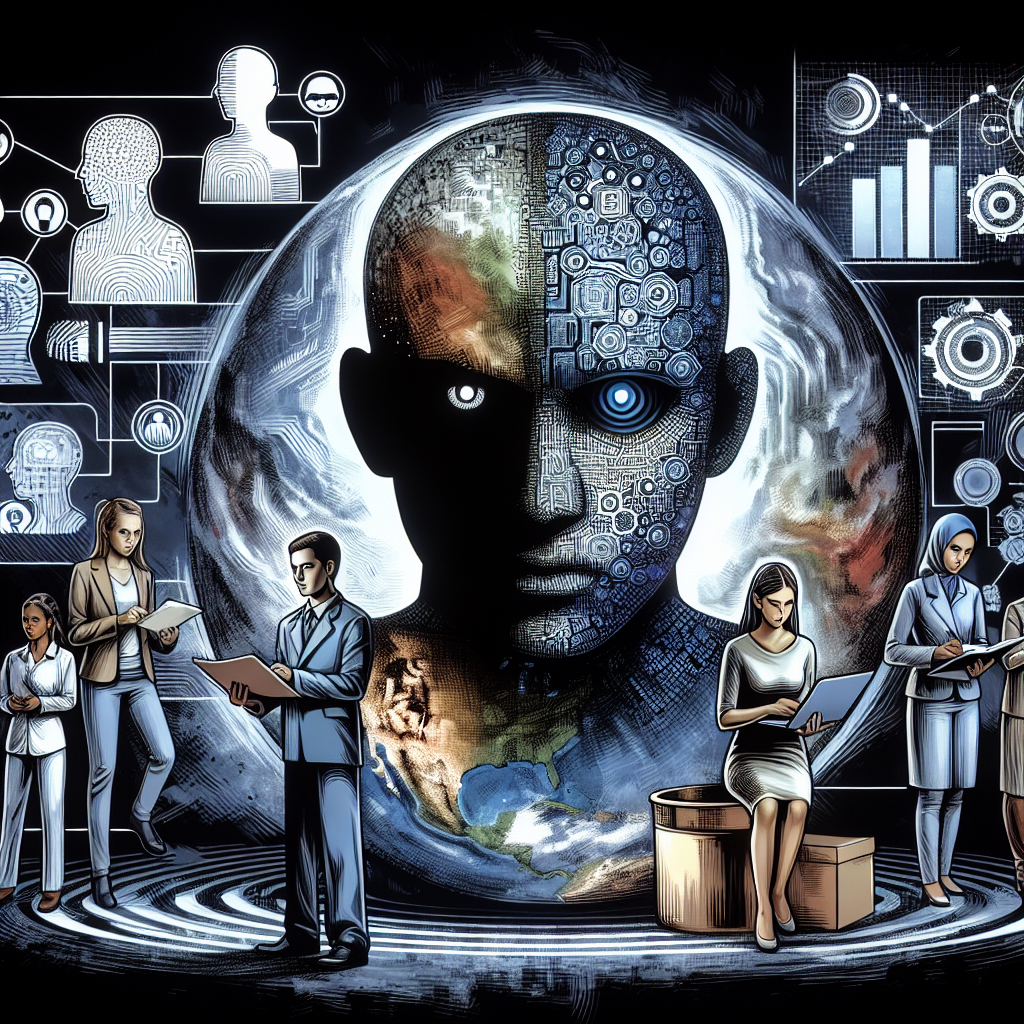
Artificial Intelligence (AI) has been a topic of both fascination and concern for many years. As technology continues to advance at a rapid pace, the question of whether AI is a threat to humanity has become more pressing. While AI has the potential to bring about significant benefits, such as increased efficiency and improved decision-making, there are also risks associated with its development and deployment.
Examining the Risks
One of the main concerns surrounding AI is the potential for it to surpass human intelligence. This concept, known as artificial general intelligence (AGI), is often depicted in science fiction as a superintelligent AI system that is capable of outperforming humans in every intellectual task. While AGI remains a theoretical concept at this point, some experts believe that it could become a reality in the future.
If AGI were to be developed, there are several potential risks to consider. One of the most pressing concerns is the possibility of AI systems becoming uncontrollable or unpredictable. AGI could potentially evolve in unexpected ways, leading to unintended consequences that could be harmful to humanity. For example, an AGI system with superhuman intelligence could pose a threat to human safety if its goals were not aligned with our own.
Another risk associated with AI is the potential for job displacement. As AI systems become more advanced, they have the potential to automate a wide range of tasks that are currently performed by humans. This could lead to widespread job losses in certain industries, resulting in economic upheaval and social unrest. While AI has the potential to create new job opportunities in other sectors, the transition period could be challenging for many workers.
In addition to job displacement, there are also concerns about the ethical implications of AI. As AI systems become more autonomous and capable of making decisions on their own, questions arise about who is responsible for their actions. If an AI system makes a mistake or causes harm, who should be held accountable? These ethical dilemmas are particularly relevant in fields such as healthcare and criminal justice, where AI systems are being used to make important decisions that can have life-altering consequences.
Furthermore, there are concerns about the potential for AI systems to be used for malicious purposes. As AI technology becomes more widespread, there is the risk that it could be weaponized by bad actors to carry out cyber attacks, surveillance, or other nefarious activities. The development of autonomous weapons systems, also known as “killer robots,” raises particular ethical concerns about the use of AI in warfare.
FAQs
Q: Is AI a threat to humanity?
A: While AI has the potential to bring about significant benefits, there are also risks associated with its development and deployment. The potential for AI to surpass human intelligence and become uncontrollable poses a significant threat to humanity. Job displacement, ethical dilemmas, and the potential for AI to be used for malicious purposes are also concerns that need to be addressed.
Q: What are the potential risks of artificial general intelligence (AGI)?
A: One of the main risks of AGI is the potential for AI systems to become uncontrollable or unpredictable. AGI could evolve in unexpected ways, leading to unintended consequences that could be harmful to humanity. Job displacement, ethical dilemmas, and the potential for AI to be used for malicious purposes are also risks associated with AGI.
Q: How can the risks of AI be mitigated?
A: To mitigate the risks of AI, it is important to prioritize safety and ethical considerations in the development and deployment of AI systems. This includes implementing robust safety measures, ensuring transparency and accountability in AI decision-making, and establishing ethical guidelines for the use of AI technology. Collaboration between governments, industry, and researchers is essential to address the potential risks of AI and ensure that it is developed in a responsible and beneficial manner.
In conclusion, while AI has the potential to bring about significant benefits, there are also risks associated with its development and deployment. The potential for AI to surpass human intelligence, job displacement, ethical dilemmas, and the potential for AI to be used for malicious purposes are all concerns that need to be addressed. By prioritizing safety, ethics, and collaboration, we can work towards harnessing the power of AI for the betterment of humanity while mitigating the potential risks.