
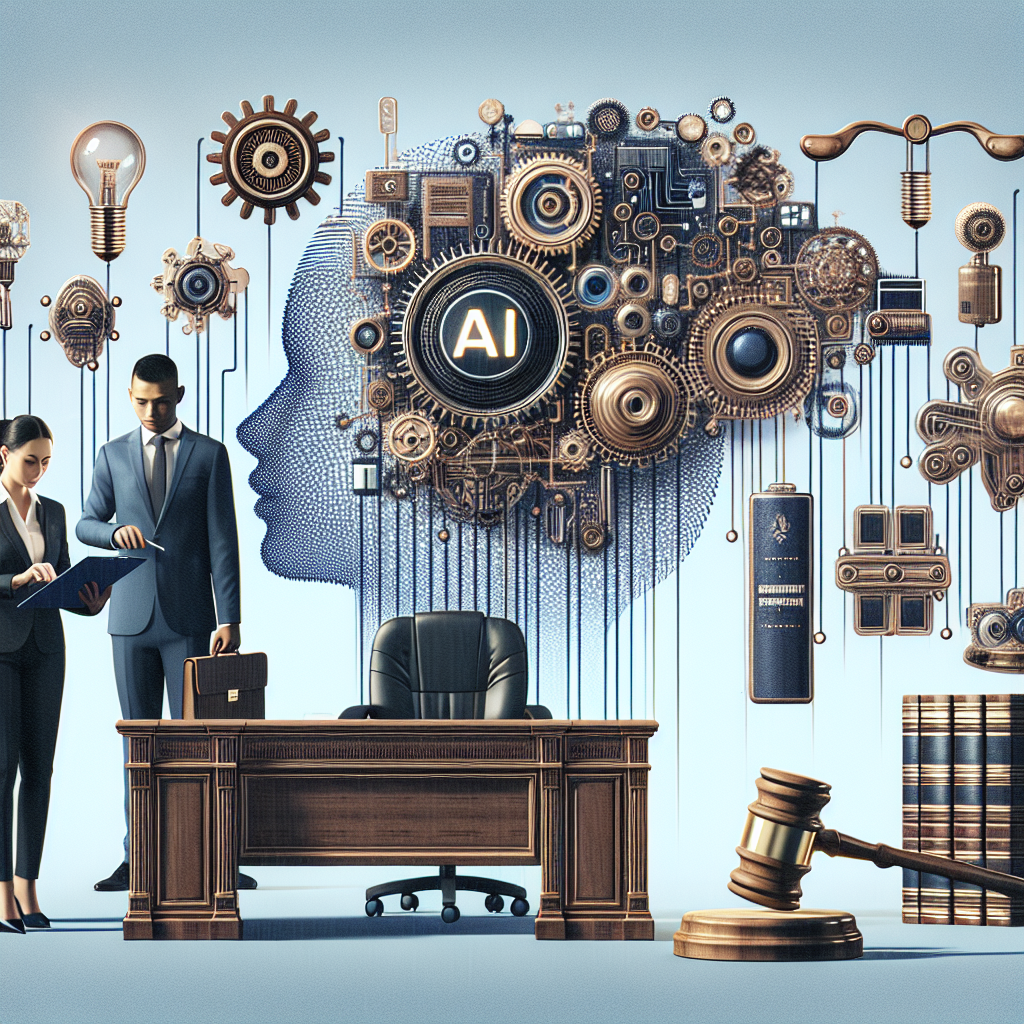
Enhancing Government Procurement Processes with AI
In recent years, artificial intelligence (AI) has been revolutionizing various industries, including government procurement. AI technologies have the potential to streamline and improve procurement processes, making them more efficient, cost-effective, and transparent. By leveraging AI, government agencies can automate repetitive tasks, analyze vast amounts of data, and make more informed decisions. In this article, we will explore how AI is enhancing government procurement processes and the benefits it offers.
Benefits of AI in Government Procurement
1. Increased Efficiency: One of the key benefits of AI in government procurement is increased efficiency. AI technologies can automate time-consuming and repetitive tasks, such as data entry, document processing, and contract management. This allows procurement professionals to focus on more strategic activities, such as vendor management and contract negotiations, leading to faster procurement cycles and cost savings.
2. Cost Savings: By automating manual tasks and optimizing procurement processes, AI can help government agencies save costs. AI technologies can analyze historical data, identify cost-saving opportunities, and negotiate better terms with vendors. Additionally, AI-powered predictive analytics can help agencies forecast demand, optimize inventory levels, and reduce procurement costs.
3. Improved Decision-Making: AI can provide valuable insights and recommendations to procurement professionals, enabling them to make more informed decisions. AI algorithms can analyze large datasets, identify patterns and trends, and predict outcomes. This allows agencies to better assess vendor performance, evaluate risks, and optimize procurement strategies.
4. Enhanced Transparency: AI can improve transparency in government procurement processes by providing a clear audit trail of decisions and actions. AI technologies can track and record all procurement activities, ensuring compliance with regulations and policies. This transparency helps build trust with vendors and stakeholders and reduces the risk of fraud and corruption.
5. Better Vendor Management: AI can help government agencies better manage vendor relationships by analyzing vendor performance, identifying high-performing vendors, and flagging potential risks. AI-powered tools can monitor vendor contracts, track key performance indicators, and alert agencies to any deviations from the agreed-upon terms. This leads to stronger vendor relationships, improved service delivery, and reduced risks of contract disputes.
How AI is Enhancing Government Procurement Processes
1. Automated Data Entry: AI technologies, such as optical character recognition (OCR) and natural language processing (NLP), can automate data entry tasks by extracting information from documents, emails, and other sources. This reduces manual errors, speeds up data processing, and ensures data accuracy.
2. Predictive Analytics: AI-powered predictive analytics can help government agencies forecast demand, identify cost-saving opportunities, and optimize procurement strategies. By analyzing historical data and market trends, AI algorithms can predict future demand, recommend optimal inventory levels, and identify potential risks.
3. Contract Management: AI can streamline contract management processes by automating contract creation, tracking key performance indicators, and monitoring compliance with contract terms. AI-powered tools can alert agencies to any deviations from the agreed-upon terms, track contract milestones, and ensure timely payments.
4. Vendor Selection: AI can assist government agencies in selecting the right vendors by analyzing vendor performance, evaluating risks, and comparing vendor proposals. AI algorithms can assess vendor capabilities, track record, and reputation, helping agencies make informed decisions and choose the best vendors for their procurement needs.
5. Market Intelligence: AI technologies can provide government agencies with valuable market intelligence by analyzing market trends, competitor activities, and pricing strategies. AI algorithms can monitor market conditions, identify emerging trends, and recommend strategies to optimize procurement processes.
6. Risk Management: AI can help government agencies mitigate risks in procurement processes by identifying potential risks, analyzing risk factors, and recommending risk mitigation strategies. AI-powered tools can assess vendor risks, contract risks, and market risks, enabling agencies to proactively manage risks and ensure compliance with regulations.
FAQs
1. What are the key challenges in government procurement processes that AI can address?
AI can address key challenges in government procurement processes, such as manual data entry, lack of transparency, inefficiencies, and risks. By automating repetitive tasks, providing valuable insights, and enhancing transparency, AI can streamline procurement processes, reduce costs, and improve decision-making.
2. How can AI improve vendor management in government procurement?
AI can improve vendor management in government procurement by analyzing vendor performance, identifying high-performing vendors, and flagging potential risks. AI-powered tools can track vendor contracts, monitor key performance indicators, and alert agencies to any deviations from the agreed-upon terms, leading to stronger vendor relationships and better service delivery.
3. What are the benefits of using AI-powered predictive analytics in government procurement?
AI-powered predictive analytics can help government agencies forecast demand, identify cost-saving opportunities, and optimize procurement strategies. By analyzing historical data, market trends, and other factors, AI algorithms can predict future demand, recommend optimal inventory levels, and identify potential risks, leading to cost savings and better decision-making.
4. How can AI enhance transparency in government procurement processes?
AI can enhance transparency in government procurement processes by providing a clear audit trail of decisions and actions. AI technologies can track and record all procurement activities, ensuring compliance with regulations and policies. This transparency helps build trust with vendors and stakeholders and reduces the risk of fraud and corruption.
5. What are the key considerations for government agencies looking to implement AI in procurement processes?
Government agencies looking to implement AI in procurement processes should consider factors such as data security, privacy compliance, vendor selection, and change management. It is important to assess the agency’s readiness for AI adoption, identify key stakeholders, and develop a comprehensive implementation plan to ensure successful deployment of AI technologies.
In conclusion, AI has the potential to revolutionize government procurement processes by enhancing efficiency, cost savings, transparency, and decision-making. By leveraging AI technologies, government agencies can automate manual tasks, analyze vast amounts of data, and make more informed decisions, leading to improved procurement outcomes. As AI continues to evolve, it is essential for government agencies to embrace AI technologies and reap the benefits they offer in enhancing government procurement processes.