
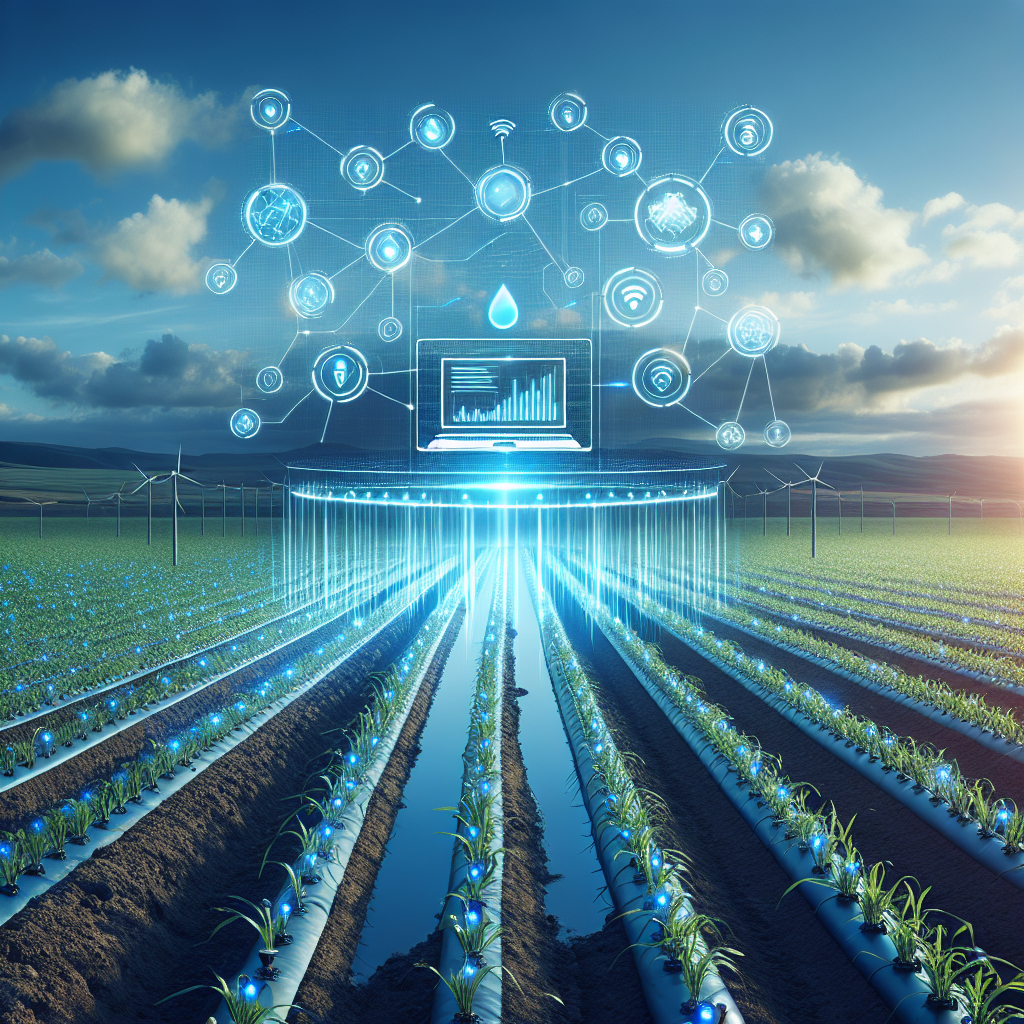
Leveraging AI for Smart Irrigation Systems
Introduction
In recent years, the agriculture industry has seen a significant shift towards using technology to improve efficiency and productivity. One such technology that has gained popularity is smart irrigation systems, which utilize artificial intelligence (AI) to optimize water usage and improve crop yields. In this article, we will explore how AI is being leveraged for smart irrigation systems and the benefits it brings to farmers.
How AI is used in Smart Irrigation Systems
AI is utilized in smart irrigation systems to collect and analyze data from various sources, such as weather forecasts, soil moisture levels, and crop water requirements. This data is then used to create optimized irrigation schedules that ensure crops receive the right amount of water at the right time.
One of the key components of AI-powered smart irrigation systems is the use of sensors to monitor soil moisture levels. These sensors are placed in the field and send real-time data to a central control system. The AI algorithm then uses this data to make decisions about when and how much water to apply to the crops.
AI is also used to analyze weather forecasts and predict upcoming weather patterns. By taking into account factors such as temperature, humidity, and rainfall, the AI algorithm can adjust irrigation schedules to account for changes in weather conditions. This helps prevent overwatering or underwatering of crops, which can lead to reduced yields and increased water waste.
Benefits of AI-powered Smart Irrigation Systems
There are several benefits to using AI-powered smart irrigation systems in agriculture:
1. Water Conservation: By optimizing irrigation schedules based on real-time data, AI-powered systems can reduce water waste and improve water efficiency. This is especially important in regions where water scarcity is a concern.
2. Increased Crop Yields: By ensuring that crops receive the right amount of water at the right time, AI-powered systems can help increase crop yields and improve overall farm productivity.
3. Cost Savings: By reducing water waste and improving crop yields, AI-powered smart irrigation systems can help farmers save money on water and energy costs.
4. Labor Savings: Smart irrigation systems can automate the irrigation process, reducing the need for manual labor and freeing up farmers to focus on other tasks.
5. Environmental Benefits: By reducing water waste and improving crop yields, AI-powered smart irrigation systems can help reduce the environmental impact of agriculture and promote sustainable farming practices.
FAQs
Q: How much does it cost to implement an AI-powered smart irrigation system?
A: The cost of implementing an AI-powered smart irrigation system can vary depending on the size of the farm, the complexity of the system, and the technology used. However, in general, the cost of installation and maintenance of a smart irrigation system can range from a few thousand dollars to tens of thousands of dollars.
Q: What kind of data is collected and analyzed by AI-powered smart irrigation systems?
A: AI-powered smart irrigation systems collect and analyze data from various sources, including soil moisture levels, weather forecasts, crop water requirements, and field topography. This data is used to create optimized irrigation schedules that ensure crops receive the right amount of water at the right time.
Q: Can AI-powered smart irrigation systems be used in all types of crops?
A: AI-powered smart irrigation systems can be used in a wide variety of crops, including fruits, vegetables, grains, and more. The system can be customized to meet the specific needs of different crops and can be adapted to different growing conditions.
Q: How easy is it to use an AI-powered smart irrigation system?
A: While AI-powered smart irrigation systems may have a learning curve, they are designed to be user-friendly and easy to operate. Farmers can access the system through a smartphone or computer and make adjustments to irrigation schedules as needed.
Conclusion
AI-powered smart irrigation systems are revolutionizing the agriculture industry by improving water efficiency, increasing crop yields, and promoting sustainable farming practices. By leveraging AI technology to optimize irrigation schedules, farmers can save money, conserve water, and improve overall farm productivity. As the demand for food continues to grow, smart irrigation systems will play an increasingly important role in ensuring that crops receive the water they need to thrive.